
Commercial & industrial lighting · Milton
Commercial Lighting Controls in Milton
Lighting controls should describe how the facility is meant to operate. Which zones are occupied? What should happen when daylight changes? Who needs an override? What must remain predictable during a shift? Those questions come before choosing sensors, timers or a networked system.
Plan commercial lighting controls for your Milton facility as a coherent sequence. Connect the fixture capability, operating schedule and user needs, then review compatibility and commissioning. A useful control project leaves staff with understandable operation and the information needed to maintain it.

Write the sequence before choosing the devices
A sequence of operation is a plain description of what the lighting should do under the conditions the facility encounters. It can distinguish occupied and unoccupied behaviour, scheduled operation, daylight response and authorized manual control.
Start by describing the current behaviour. Which areas use wall switches, occupancy controls, photocells or schedules? Which lights are left on because staff cannot easily control one zone without affecting another? Note the concerns that prompted the project: unnecessary operating time, abrupt switching, unreliable response or controls that no longer match the layout.
Then describe the desired behaviour in the same areas. A dispatch strip used through a late shift may need a different sequence from adjacent storage. A training room may have periods of seated activity with little movement. Exterior approaches may need a different schedule from a building interior. These distinctions give the control scope its practical boundaries.
Keep essential operating and safety requirements in the discussion. A proposed control change should not assume that every fitting can turn off whenever an area seems quiet. Identify separate systems or obligations that require review. Clear intended operation is more useful than a general instruction to make the lighting automatic.
An existing failure can be described through lights not working; a new-facility lighting plan needs the intended operation agreed before occupancy.
Give each control method a defined role
These methods can sometimes work together, but their roles must be explicit. Avoid adding a device simply because it is available. Each part of the system should answer a defined operating need and remain compatible with the fixture and other controls involved.
| Control approach | Useful operational question | What to establish |
|---|---|---|
| Occupancy and vacancy sensing | When is a zone occupied, and what movement or stationary work occurs? | Coverage, expected response, timing and manual operation appropriate to the task. |
| Timers and scheduling | Which operating periods are predictable, and which change? | Calendar behaviour, authorized adjustment and a clear override sequence. |
| Dimming and zoning | Which areas need independent light levels or scenes? | Fixture interface, useful range, control grouping and normal user actions. |
| Photocell control | Which exterior zones should respond to ambient light? | Sensing conditions, intended evening behaviour and interaction with scheduling. |
| Networked controls | Does the facility need coordinated settings or system-level management? | Platform requirements, support, permissions and the information needed after handover. |
Make zones follow the work, not only the ceiling grid
Control zoning should reflect areas that share a useful operating pattern. A warehouse aisle, packing strip and cross aisle can have different occupancy even beneath the same roof. An office meeting room should not be treated as identical to a corridor just because both contain ceiling panels. Begin with use, then compare it with the existing electrical and fixture arrangement.
Map the boundaries clearly. Identify racks, partitions, entrances and work positions that may influence sensing or user expectations. Where the current installation groups unrelated areas together, record that limitation rather than assuming software or a new sensor can resolve it without other changes.
The zone should also remain understandable to staff. People need to know what a switch, scene or override affects. A control that changes a distant area without a clear reason can invite permanent overrides or confusing adjustments. Labelled records and a straightforward sequence help explain the intended behaviour.
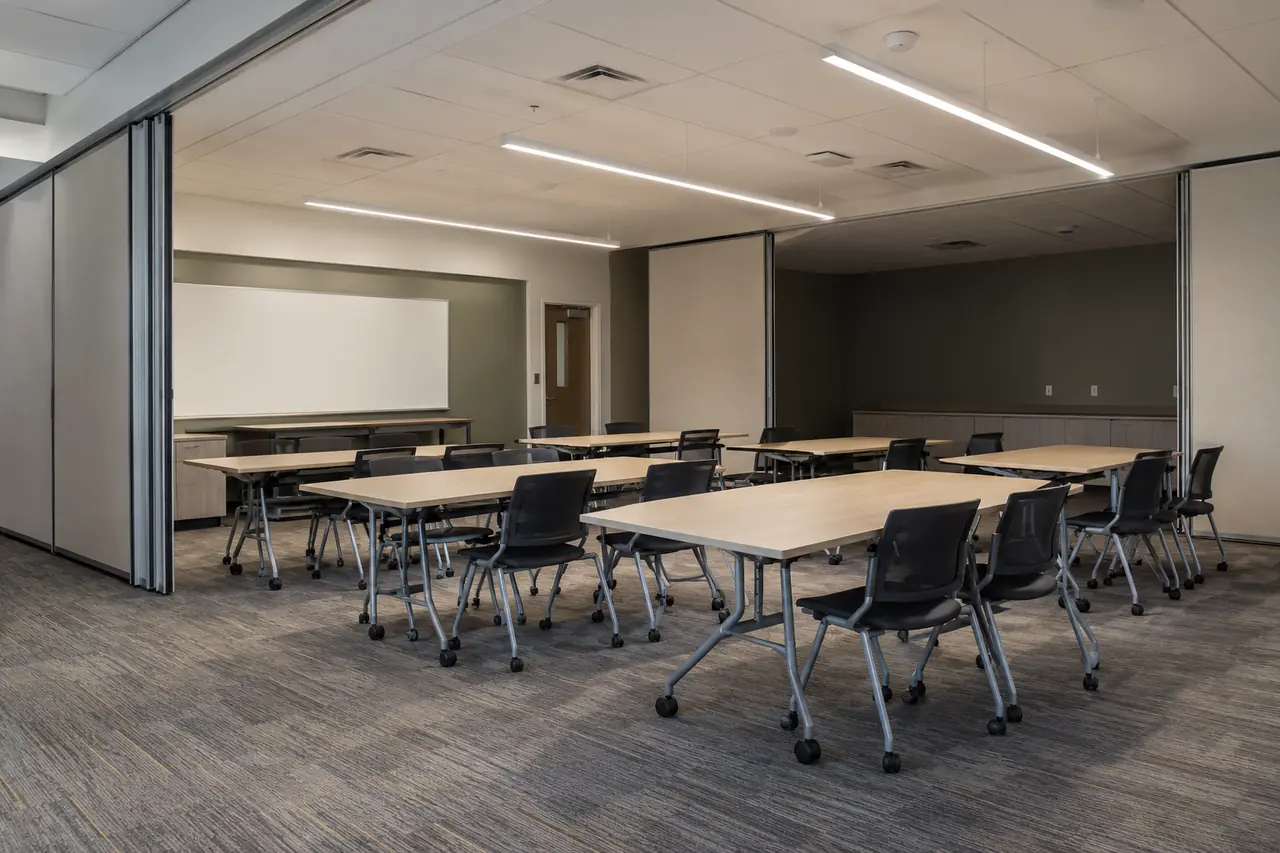
Consider future layout changes without promising unlimited flexibility. Movable partitions, new storage and additional workstations can alter a zone’s usefulness. Identify changes already planned and what would need to be reviewed when they occur. A control project can document those dependencies so a later operational change does not silently undermine the original settings.
The warehouse planning guide connects zoning with racks and aisles; dark aisle concerns should remain distinct from an assumption about sensing. Logistics planning also includes staging and dispatch interfaces.
Occupancy and daylight need representative conditions
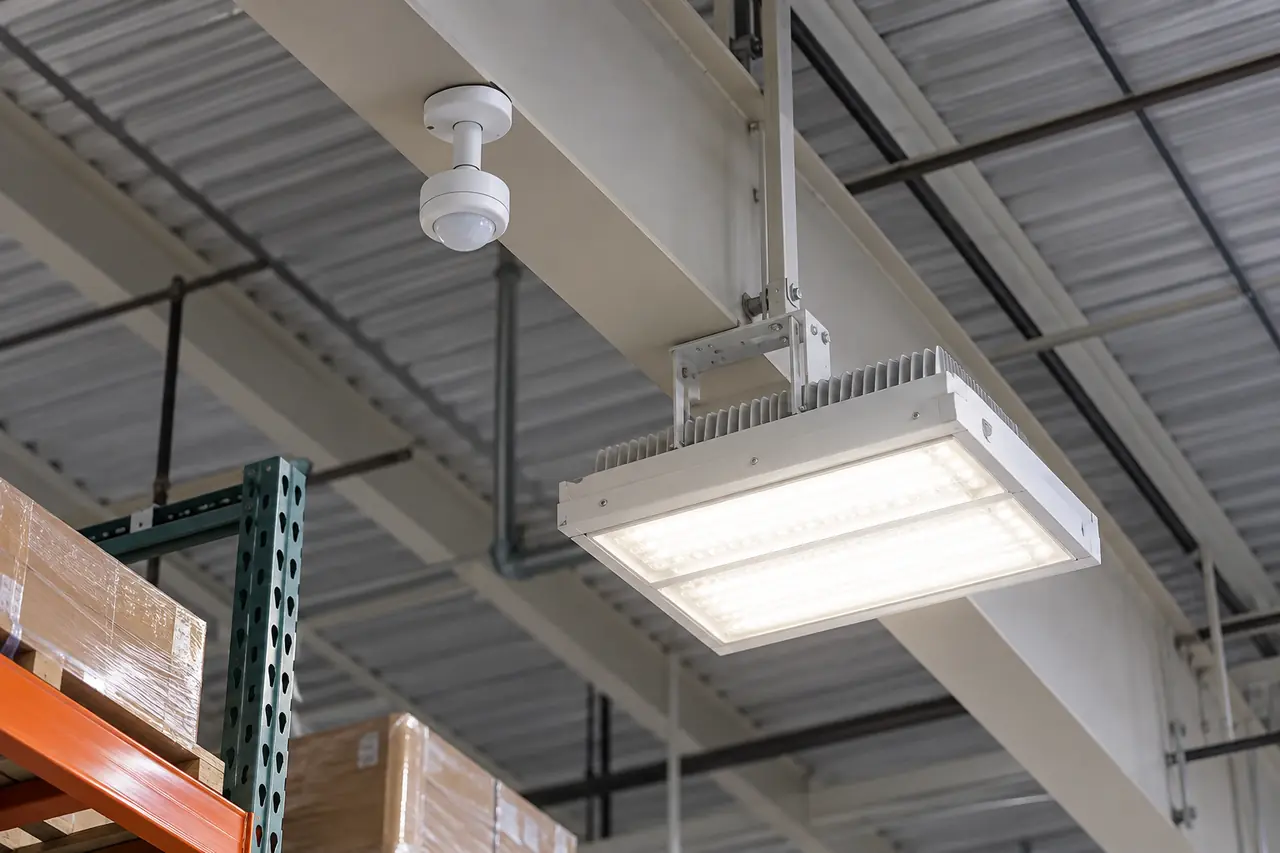
An occupancy approach should consider how people actually use the area. Walking through a corridor, picking in a rack aisle and working quietly at a bench create different patterns. Describe periods of stationary activity, the direction of approach and places where obstructions may affect the proposed coverage.
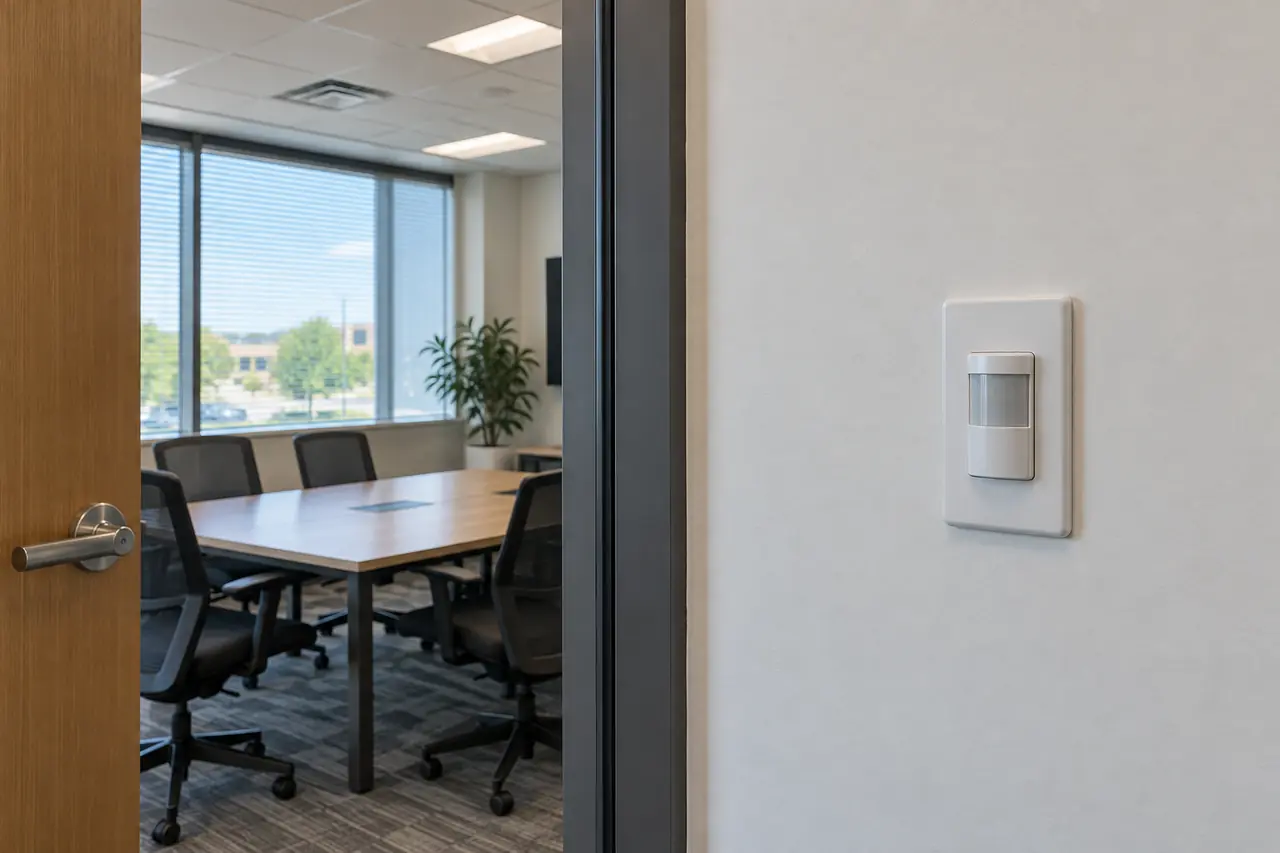
A sensor project should include expected delays and what happens when the area is unoccupied. Abruptly switching a work zone off is a different experience from a defined transition or a manual-on arrangement. Staff should be able to explain the desired behaviour before the control method is finalized. For device-specific questions, see occupancy and vacancy sensors.
Daylight varies across a building and through the operating day. A clerestory strip, a side window and a skylight may affect different parts of the working area. Review where that light is useful and where glare or shadows remain. Daylight response should not be treated as a uniform reduction applied across an entire facility.
Commissioning should use conditions representative of the intended use where practical. A nearly empty room during installation may not reveal how the system behaves with racks, stock, seated occupants or the normal daylight pattern. Identify what can be checked immediately and what may require a later operating observation.
Review warehouse controls and occupancy sensing for that application. In offices, lighting comfort and distribution concerns may need review beyond the control settings.

Compatibility is a project requirement
The selected fixtures must support the intended control method. An LED fitting may have a dimmable driver, a particular interface or no suitable capability for the proposed approach. A fixture’s general LED description does not establish compatibility with every dimmer, sensor or system. Review the actual model and manufacturer information.
Existing mixed equipment needs particular attention. A room with several generations of fittings may respond differently to one control command. Some fixtures may require replacement or a separate zone to achieve consistent operation. Record those consequences in the scope so a controls project is not priced as a device-only addition when lighting changes are also needed.
Compatibility also extends to the sequence. A schedule, photocell and manual override can conflict if their priority is not defined. Explain which condition takes precedence, how an override ends and what happens after a power interruption or authorized schedule change. These are operating questions to resolve with the selected system, not details to discover after staff begin using it.
For networked options, clarify the support model, software access, account ownership and any dependencies relevant to the facility. Avoid a project that leaves the operator unable to understand or maintain the settings. The scope should state the information and access to be handed over, subject to the chosen product and any genuine support arrangements.
A fixture-conversion project can use the LED retrofit guide; current flicker symptoms need a service description rather than a presumed compatibility diagnosis.
Schedules and overrides should be usable by the facility
A schedule is useful when it reflects the operation and can be maintained by the people responsible for it. Include shift changes, weekends, holidays and occasional extended use. Identify who can approve adjustments, how they are made and where the current version is recorded. A schedule that becomes outdated can create unnecessary operating time or unexpected loss of lighting.
An override should have a defined purpose. Staff may need temporary lighting for a late delivery, meeting or stock count. Establish the affected zone, how the action is requested and how the system returns to normal. Do not assume an override will be understood simply because a button or control is present.
Separate routine user actions from restricted settings. Operators may need a simple scene or local control, while system-level changes remain with an authorized contact. The intended permissions should be appropriate to the facility and the product. This distinction can help avoid accidental changes without making normal operation difficult.
For an existing controls problem, document the expected and actual behaviour before making changes. A device that appears unreliable may be operating according to an old schedule, an unclear priority or a setting that no longer fits the layout. The review should identify those possibilities without assuming that equipment is defective or that programming alone will solve the issue.
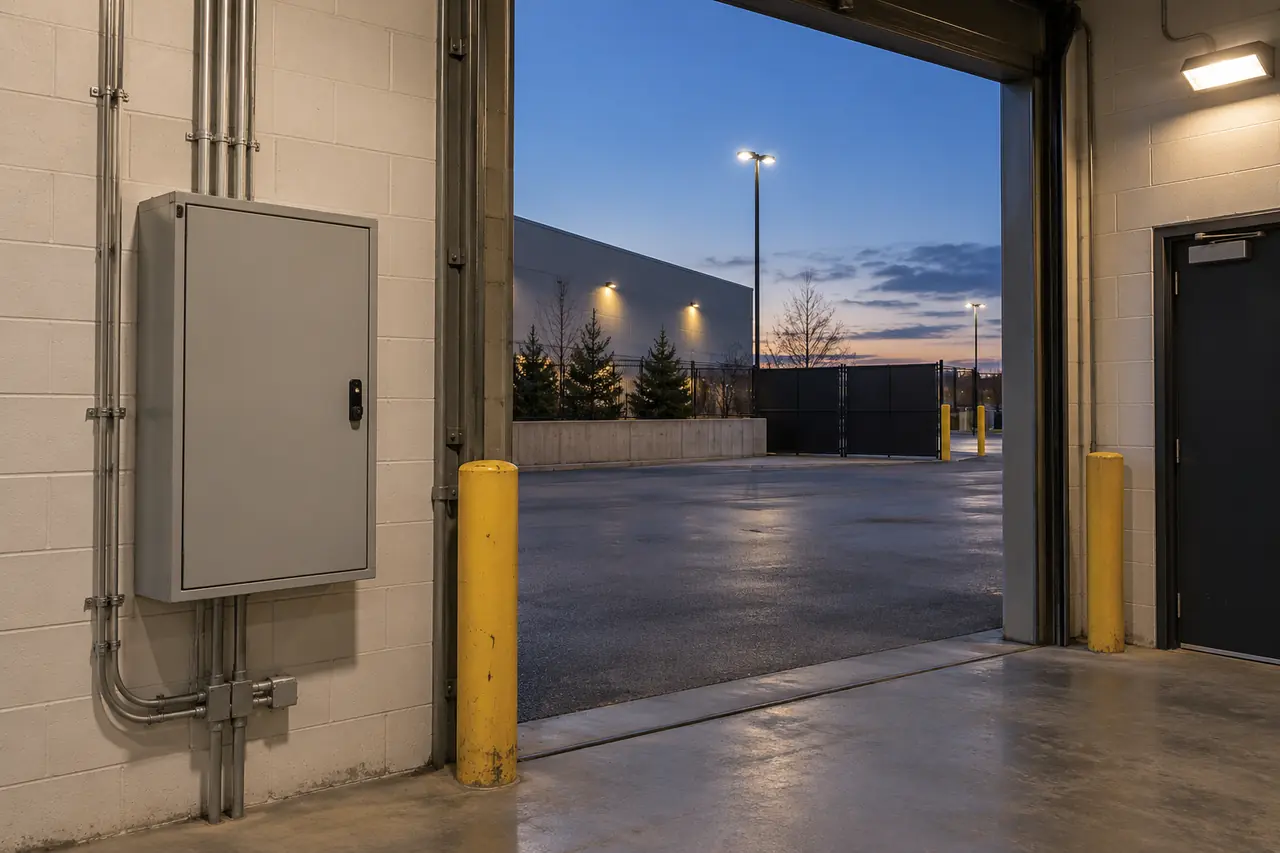
For mixed-use units, the industrial-condominium guide connects user controls with office and work areas. Wrong-time exterior operation belongs in the exterior controls checklist.
Plan, check and hand over the control behaviour
Record the operating baseline
Map existing controls and zones, normal lighting hours and the problems staff report. Keep a distinction between faults and desired improvements. Gather available fixture information and settings through authorized records, with unknown conditions left for review.
Agree the sequence
Write down occupied, unoccupied, scheduled and override behaviour for each relevant zone. Identify priority rules and the areas that require separate consideration. Make sure operations and property contacts understand the same intended result before equipment is committed.
Check compatibility and install scope
Review fixture interfaces, proposed devices and any necessary lighting or electrical changes. Define access, operating windows and commissioning responsibilities. A control device count should not conceal other work needed to achieve the agreed behaviour.
Demonstrate and record
Check the sequence against representative conditions, explain normal user actions and record the settings and zone references needed by the facility. Identify follow-up checks where daylight or occupancy conditions were unavailable during initial review. Keep authorized adjustment responsibilities clear.
Commissioning should answer the written sequence
Commissioning is more useful when the expected behaviour is already documented. Check the relevant transitions: entering a zone, leaving it, reaching the scheduled closing period and using an authorized override. Confirm which fixtures respond and whether the result matches the agreed operating sequence. A device appearing active is not the same as the system working as intended.
Review behaviour from normal working positions. Include areas where people remain relatively still and locations influenced by racks or partitions. Where daylight control is part of the scope, identify representative light conditions and any observations that need a later check. Document changes made during the review rather than leaving a different final setting undocumented.
The handover should explain ordinary actions in plain language. Staff need to understand how to use the lighting, who can adjust schedules and how to report a concern. Keep a zone schedule, fixture references and relevant product information with the operating record. For a selected networked platform, agree the appropriate credentials, account ownership and support information as part of the deliverables.
A future change should trigger a review of the relevant sequence. New racks, different shifts or moved partitions can affect sensing and zoning. The project record should make those relationships visible so later adjustments start from a known arrangement instead of trial-and-error changes.
The maintenance planning guide supports keeping the final operation and service record together.
Review incentive interest without letting it define the system
Controls should be selected for an operational purpose first. Incentive interest can then be checked against the defined equipment and scope. Eligible standard lighting controls may follow the Instant Discounts route, while networked lighting controls have a Retrofit pathway. Qualification and commitment timing require current confirmation; neither route should be treated as a guarantee.
Provide the customer and facility context, existing equipment, proposed sequence and any purchases already made. These facts can affect the program discussion. Check the requirements before procurement or binding commitments, including any proposed combination with fixture work. The lighting incentives page provides broader context without replacing project-specific verification.
A projected energy reduction also needs realistic assumptions. Record the hours the lights currently operate and the periods when controls may change that operation. A quiet zone during a short visit does not prove it is unused throughout the week. Any estimate should identify its boundaries and avoid counting the same reduction twice within a combined fixture and controls project.
For electrical work, ESA’s property-owner guidance remains relevant to the scope. Verify the selected electrical-contractor business through ESA. The controls plan, electrical process and product qualification are separate checks, all of which should be addressed without inventing a guaranteed approval or savings outcome.
The Ontario incentive guide explains the wider program context. Apply the operating brief to the actual warehouse, manufacturing or office property, not a generic equipment package.
Questions about this lighting scope
Can controls be added to existing LED fixtures?
That depends on the actual fixtures, interfaces and intended operation. Review model information and the proposed control method together. Some equipment may support the desired sequence, while mixed or incompatible fittings can require another approach. Do not assume all LED lighting has the same dimming or control capability.
Is a networked system necessary for every facility?
No single approach suits every scope. Define the zones, schedules, user actions and management needs first. Compare the complexity and support requirements with the operation. A simpler control arrangement may answer a limited need, while a broader facility may benefit from coordinated management if its requirements justify that choice.
What should staff report when lights switch off unexpectedly?
Identify the area, activity, time and visible behaviour. Note whether nearby zones behave the same way and whether the concern follows a schedule or layout change. Do not bypass controls or alter restricted settings to test a theory. The service review can compare those observations with the intended sequence.
What happens when shifts or racks change later?
Review the zones and settings affected by the change. A new shift can make an older schedule unsuitable, while racks or partitions can alter sensing conditions. Keep the original sequence and final settings available so the review has a clear starting point and authorized changes can be documented.
Ready to plan?
Describe how you want the lighting to operate.
Tell us where the lighting needs to change, how the building operates and what timing matters. Start with the information you already have.