
Commercial & industrial lighting · Milton
Emergency Lighting in Milton
Emergency lighting needs a clearly defined professional service scope. Identify the affected equipment and the building’s responsible contact, with existing records available for review.
Visible condition and maintenance history help explain an enquiry, but they do not establish system performance or compliance. A service request should distinguish an equipment problem from a wider change to the building or its life-safety arrangements.
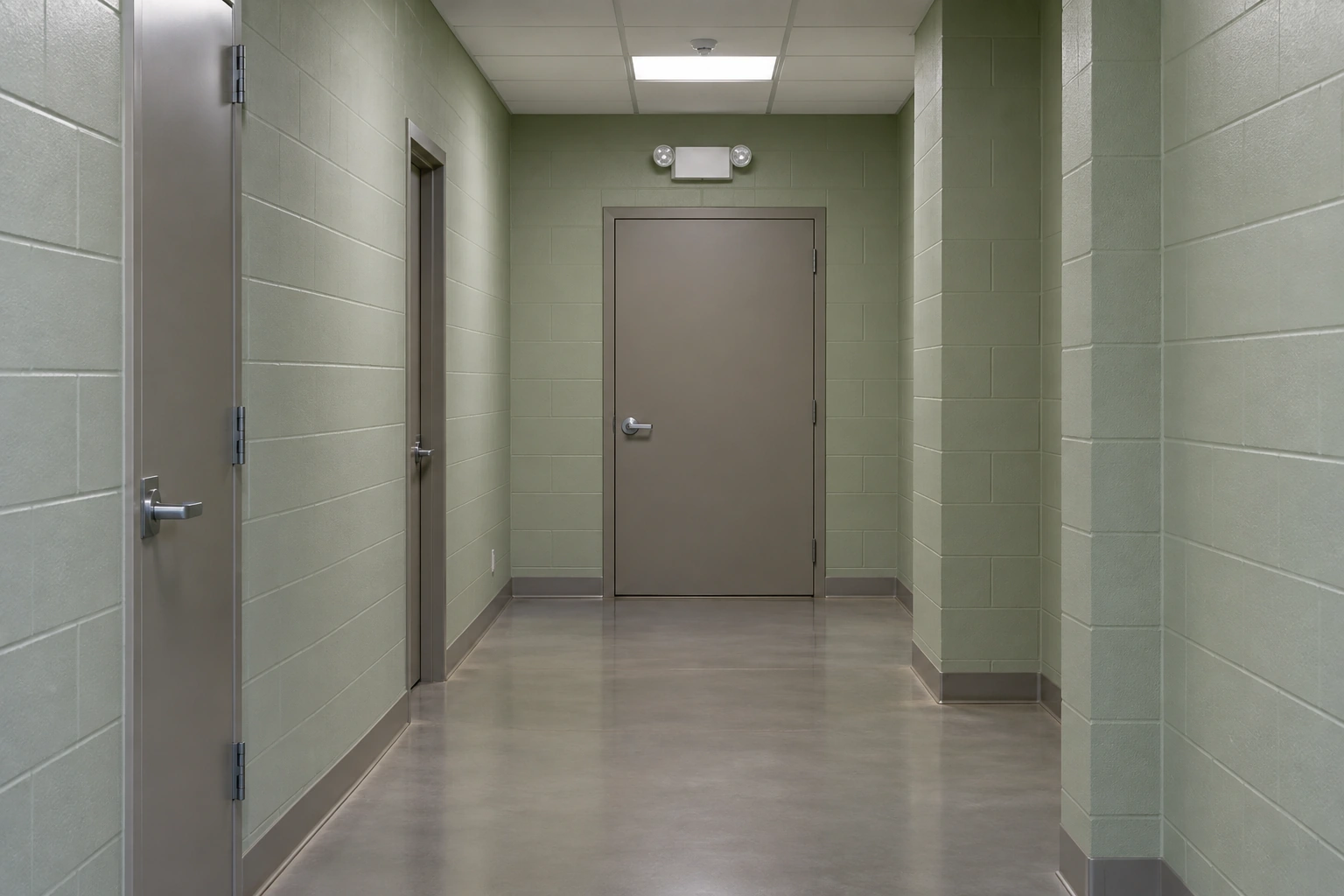
Start with the affected equipment and responsible contact.
Describe the location of each unit or affected area using names that the building contact can recognise. Include the floor, corridor, stair or room reference, and indicate whether the concern involves one unit or several locations. An accurate location list helps establish the service scope without asking staff to investigate electrical equipment.
Report what has been noticed during ordinary use or documented professional maintenance. A damaged housing, an unusual visible indicator or an unresolved item in a maintenance report is useful information. State when the concern was first recorded and whether any recent building work may be relevant. Do not infer that a battery, circuit or charging component has failed solely from an indicator or appearance.
Commercial lighting repair addresses the broader equipment-service pathway. If illuminated signs are also affected, identify the separate exit sign lighting scope. Emergency illumination and exit signs can have related equipment or power arrangements, but the service request should identify both clearly instead of assuming one replacement covers every issue.
Existing power arrangements change the service question.
Buildings can have different emergency-lighting arrangements. Some equipment is local to a unit; other fittings may form part of a wider emergency power system. Existing drawings, equipment schedules and prior service records can help establish what is present. Unknown arrangements should be marked for professional investigation rather than guessed from the visible fixture.
The equipment relationship matters when replacement is considered. A fitting, remote head or power unit should not be selected in isolation from the system it belongs to. Manufacturer information, product approval and the existing installation need review. The professional scope should identify which components are affected and which surrounding systems remain outside the requested work.
In offices and business parks, records may be split between tenant and base-building contacts. In property-manager portfolios, several properties may use different equipment families and maintenance providers. The location and documentation brief should reflect the particular building. A familiar appearance at one property does not establish that equipment at another has the same power arrangement or replacement requirements.
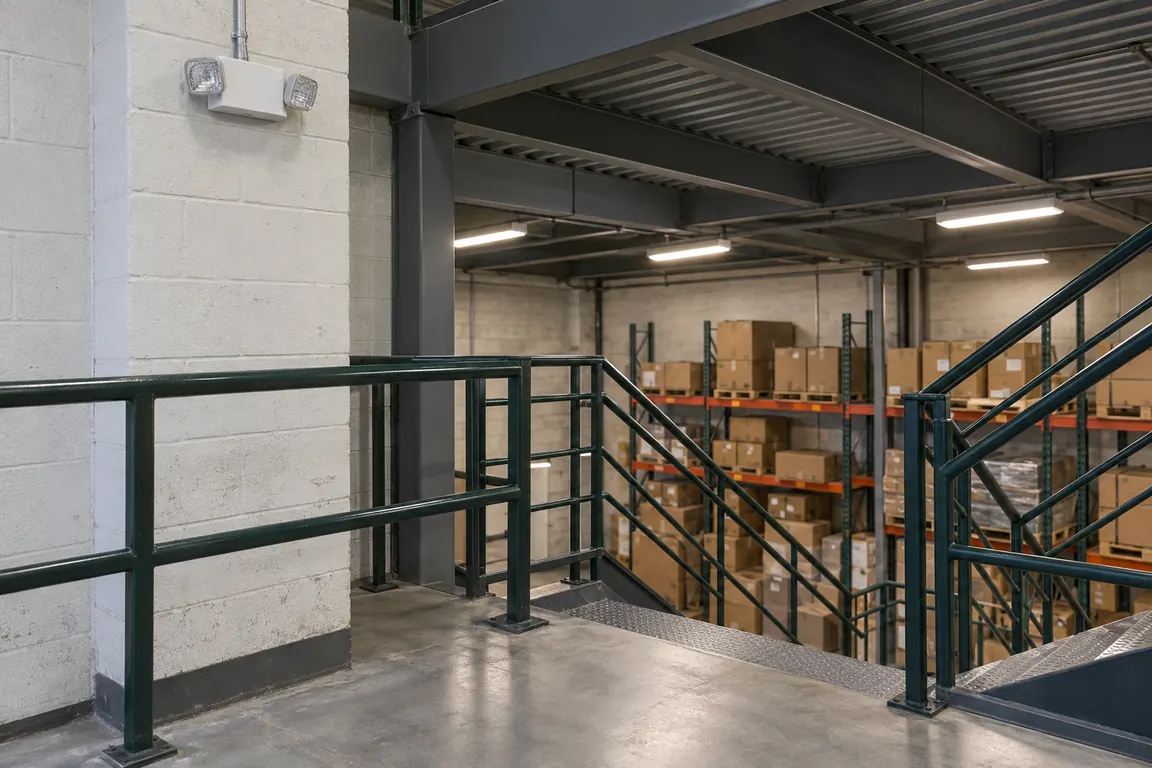
Separate observation, records and professional decisions.
Facility staff can collect existing documents and report visible concerns from normal accessible positions. The electrical and life-safety investigation belongs to the appropriate professional scope. Keeping those roles clear improves the enquiry and avoids treating a casual observation as a completed inspection.
Use the scope record to distinguish immediate equipment attention from questions about a changed building. If walls, uses or occupied areas have changed, provide that information to the responsible parties. The decision may require more than a replacement unit. A service proposal should state what it investigates or replaces and what additional professional coordination is needed.
| Input | Useful information | Professional question |
|---|---|---|
| Location | Floor, room or route reference. | Which equipment is affected? |
| Condition | Visible concern or existing report item. | What investigation is needed? |
| Records | Drawings, schedules and prior maintenance. | What system is installed? |
| Building change | Altered layout or use. | Does the wider arrangement need review? |
Confirm the maintenance scope for the installed system.
Ontario’s current Fire Code addresses maintaining emergency lighting and exit signs in operating condition. The applicable requirements must be checked for the installed equipment and building. A professional maintenance scope should use the current regulation, relevant equipment information and the building’s records rather than an old generic checklist.
Confirm the applicable test sequence, duration, schedule and documentation for the installed arrangement with the responsible professionals. Use the building’s equipment records to identify the system being reviewed and any unanswered requirements questions. A general service enquiry is not a code determination, a life-safety design approval or a promise of compliance certification.
Electrical work also needs to be scoped appropriately. ESA’s property-owner guidance explains Ontario electrical work responsibilities and hiring requirements. Confirm the contractor responsible for the electrical work and the applicable notification or review requirements. Keep that electrical process distinct from any separate fire-safety review or building-design decision; completion of one defined task should not be described as approval of the entire building.
Occupied routes need deliberate access coordination.
Emergency-lighting equipment is often positioned in spaces people continue to use. Corridors, entrances, stairs and shared parking areas can have restrictions on work-zone access. The responsible building contact should coordinate the timing and route arrangements appropriate to the actual work. A routine access window should not be assumed from the fixture count alone.
Identify occupants, tenants or residents whose normal routes could be affected. Provide relevant site rules, restricted areas and the person who can authorise access. The professional work plan should address the equipment and any interruption within its agreed scope, with the responsible parties deciding how the building continues to operate.
Parking garage lighting covers the wider garage environment where emergency equipment may be located. Condominiums and multi-residential properties adds resident communication and common-area coordination. Those operating considerations belong in the service brief, but they do not establish that a particular closure, temporary arrangement or operating decision is acceptable for every building.
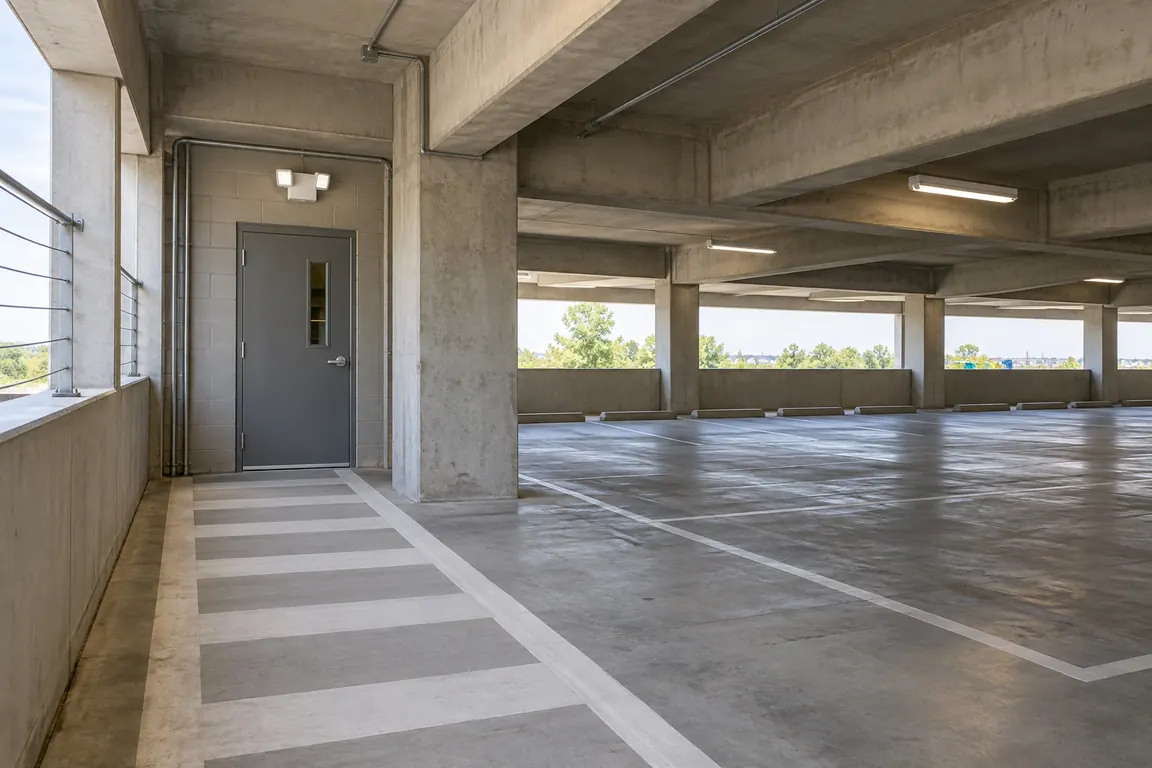
Maintenance records should identify what was actually done.
An existing record is most useful when it identifies equipment locations, the activity performed, the date and any unresolved findings. Obtain the records already held by the responsible property contact. If information is incomplete, say so. An equipment inventory can help connect a later service request to the correct unit without reconstructing the system from memory.
Keep a replacement record tied to the original finding. The completed scope should identify the equipment changed and the documentation appropriate to the work. Any further maintenance, investigation or specialist review should be listed clearly rather than hidden under a general statement that the lighting has been checked.
Commercial lighting maintenance considers planned equipment records and recurring service needs. Emergency-lighting maintenance must retain its own verified scope and requirements; it should not be treated as an ordinary fixture-cleaning task or bundled into a broad performance guarantee. Good records support later decisions, but a record format alone does not prove that the installed system meets every applicable requirement.
Replacement and building changes are different scopes.
A damaged or failed component may prompt a defined replacement review. A renovation, altered route or changed occupancy can raise a wider question about the existing arrangement. Describe the trigger accurately so the appropriate contacts can distinguish equipment service from a project requiring additional design or regulatory coordination.
Product selection should consider the complete equipment application. The ESA approval-mark guidance explains electrical-product approval, while manufacturer documentation addresses the selected product and its supported use. Neither a visual match nor a product mark alone establishes the suitability of a replacement within the whole system.
Do not relocate, disconnect or substitute emergency equipment as an informal response to a layout change. Bring the revised plan and existing records to the responsible building and electrical contacts. Where a broader professional design or authority review is needed, identify it separately. The requested service can then be evaluated without suggesting that an equipment visit provides engineering, escape-route approval or building-wide code certification.
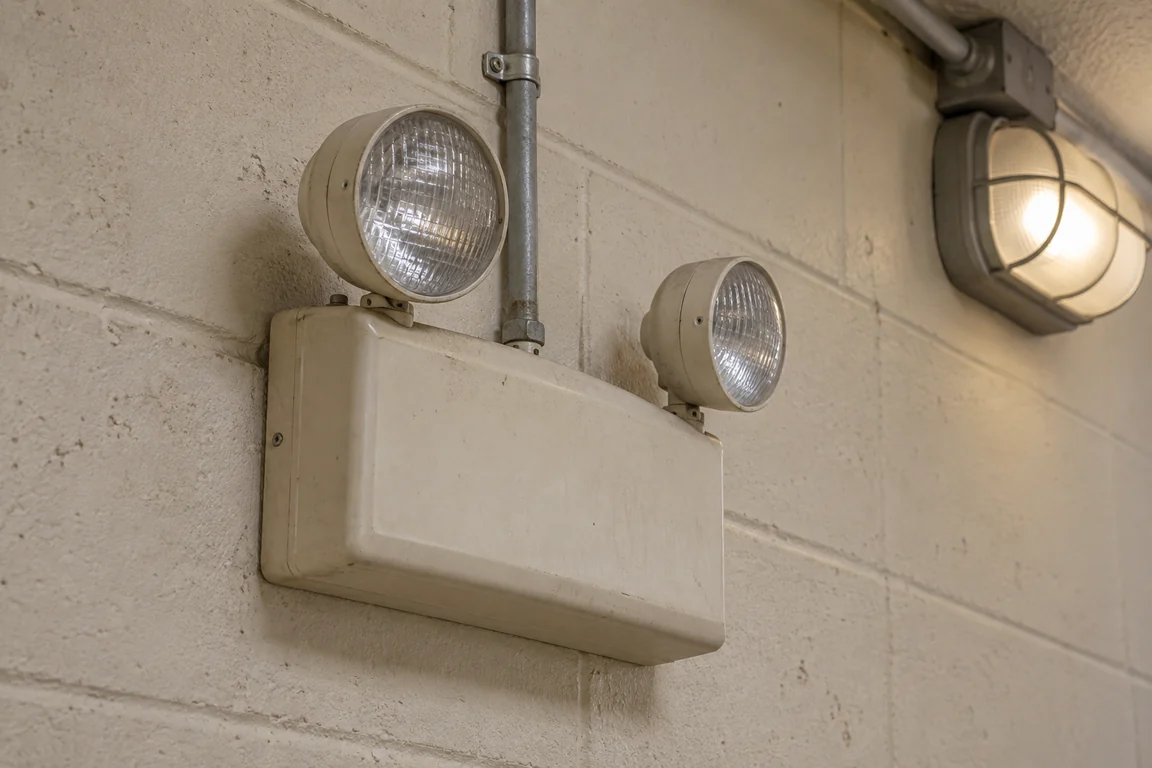
Define the service deliverables before work.
A useful service discussion makes the investigation, equipment scope and documentation visible. It also identifies who receives findings and who can authorise additional work. This prevents a narrowly requested component replacement from being mistaken for a comprehensive system review.
Use the lighting services overview to identify any separately requested general-lighting repair or maintenance alongside the emergency-equipment scope.
Collect the existing information.
Provide locations, visible concerns and prior professional findings. Include drawings or schedules already available, recent changes and the building contact. Avoid opening equipment, disconnecting power or performing an improvised test to gather more detail.
Confirm the professional scope.
Identify the equipment to be investigated, the applicable requirements to be verified and the parties needed for wider decisions. Establish access and any operating constraints with the responsible contact. Unknown system details should be resolved professionally before replacement is selected.
Retain findings and next steps.
Keep the completed service record and product information appropriate to the work. Identify unresolved issues or further review separately, with the responsible contact receiving them. Preserve the location references so later maintenance can begin from the same equipment inventory.
Questions about this lighting scope.
Can a visible indicator prove emergency lighting is fully functional?
A visible indicator is one observation and does not establish the performance of the entire arrangement. Report unusual behaviour and provide existing maintenance records. The appropriate professional scope should determine what investigation and documentation are required for the installed equipment. Do not disconnect power or open the unit to create a test.
Does replacing a unit certify the building’s life-safety system?
A defined equipment replacement is a specific task. Wider system performance, layout, design and regulatory decisions may require separate review by the relevant parties. The proposal and completed record should identify what was done and any further work needed. Avoid treating a component replacement as building-wide compliance certification.
What if the building layout has recently changed?
Provide the revised layout and explain the altered use or route to the responsible building contact. The existing equipment arrangement may need a broader professional review. Keep that question separate from repairing a failed unit. Do not move or disconnect equipment informally to fit the new layout.
Which documents help with the first enquiry?
Existing equipment schedules, drawings, maintenance records and unresolved professional findings are useful. Add a location list and access contact, marking unknown details. Staff can provide photographs from ordinary safe positions. Detailed inspection, electrical testing and requirements determination belong to the agreed professional scope for the actual system.
Lighting service
Describe the affected equipment and service need.
Provide the affected equipment locations, visible concerns and existing maintenance records. Include the responsible building contact, recent layout changes and access restrictions so the appropriate professional service scope can be discussed.