
Commercial & industrial lighting · Milton
Commercial Lighting FAQ for Milton Businesses
The right lighting discussion depends on the facility and the decision. A failed fitting, a changed warehouse layout and a new commercial area need different information, even when all three eventually involve equipment work. These answers help separate the immediate request from a wider project.
Browse service scope, warehouse and logistics, retrofits and repairs, controls and exterior planning, or access and assessment. Use the related links when a question needs a fuller facility-specific discussion.
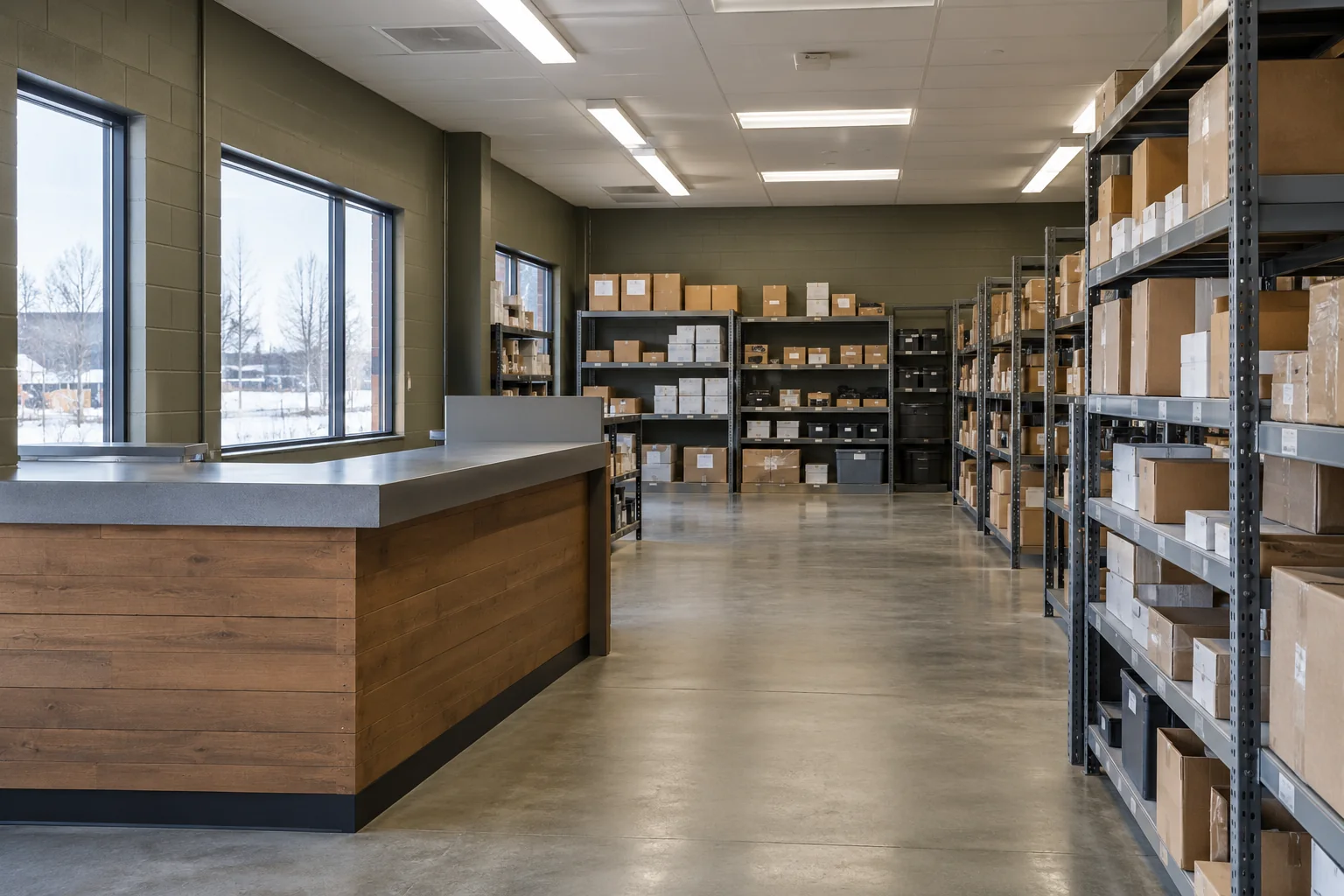
Service scope and property responsibilities.
What commercial lighting work can I ask about?
Commercial lighting work includes installation in existing commercial premises, LED retrofits, lighting repair and maintenance, alongside facility and controls scopes. Start with the area and the decision rather than trying to select every service in advance. Describe whether equipment has failed, the use has changed or a new area is being planned. The final proposal needs to identify the work included, the responsible parties and any conditions requiring review; a website service description is not approval of a particular installation.
How does a new facility differ from a tenant lighting change?
New commercial and industrial lighting installation follows new areas, construction milestones and occupancy decisions. A tenant change in an existing premises may involve retained equipment, partitions, landlord approval and occupied work. Identify which situation applies and supply the current drawings if available. A mixed project should separate new work from the parts remaining in service. Construction, ceilings, property approvals and electrical work can involve different parties, so the lighting scope should name those interfaces instead of assuming they are all included.
Who should authorize a lighting enquiry for a leased property?
The person reporting the issue may be a tenant or employee, while another contact can approve work on the installation. For commercial landlords and tenant properties, state who occupies the area, who controls the fittings and who can arrange access. In industrial condos and small-bay units, distinguish private unit equipment from shared property equipment. The available ownership and lease information can help define responsibility, but an initial enquiry does not itself resolve every contractual question between the parties.
The facility context changes the questions.
Warehouses and distribution centres and logistics facilities need clear working-zone and transport information. Manufacturing properties add process and task constraints. Offices and business parks may need occupied-room and screen information, while retail and shopping plazas distinguish tenant space from shared areas.
Property managers and multi-site portfolios need separate records for each site. Professionally managed condominium properties concern shared common areas, entrances and parking. Automotive and showroom properties add display, glazing and vehicle access questions. These contexts help identify the right information without assuming one fixture or operating schedule applies to every property.
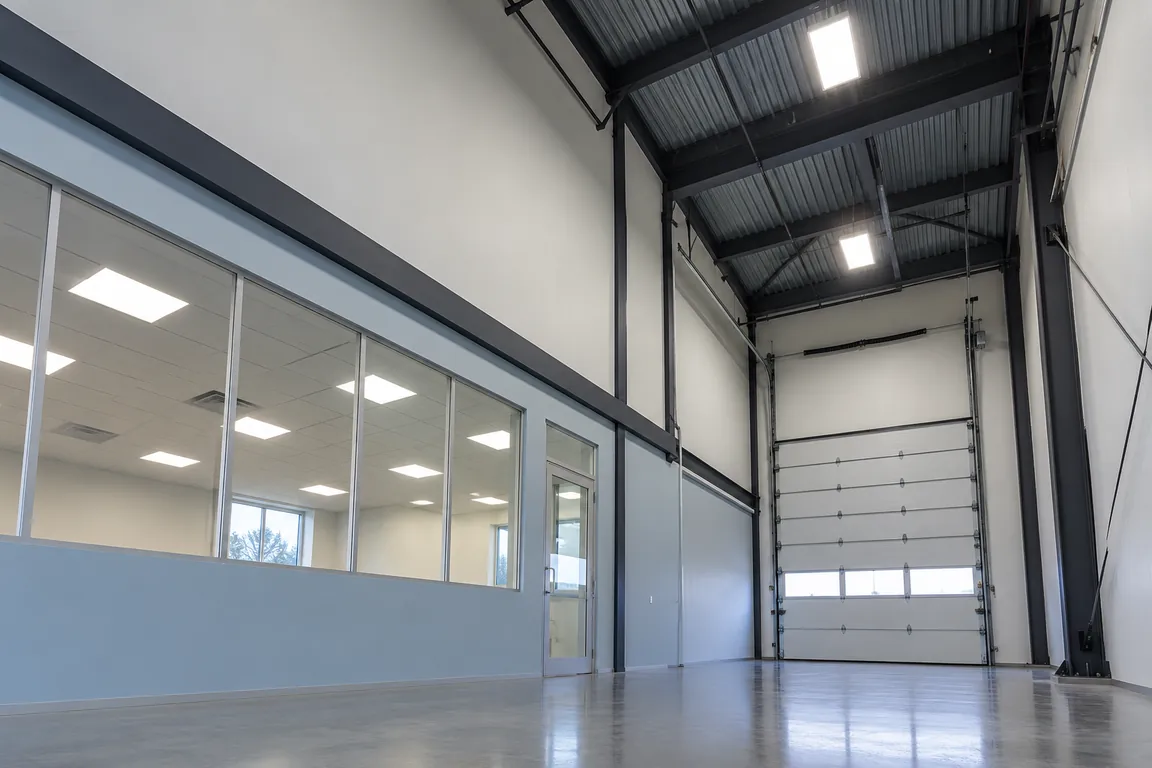
Warehouse, high-bay and logistics decisions.
Why can a warehouse aisle look dark when the high bays are working?
Light may reach the floor differently from rack faces or picking labels. Stock, rack height, mounting positions and changed tasks can affect the reported condition. Warehouse lighting considers the wider working arrangement, and warehouse aisle lighting focuses on the rack-and-aisle relationship. Identify what is difficult to see and where the observer normally stands. Also record visibly failed fittings separately. A distribution concern and an equipment fault can exist together, so restoring one fixture does not automatically complete a wider layout review.
What information is useful for high-bay service?
Provide the affected aisle or work-zone reference, the observed behaviour and known equipment information from existing records. High-bay LED lighting involves overhead fittings and their practical access conditions. Mention stock, machinery or vehicle movement beneath the locations and who can authorize access. Known mounting heights are useful, but label estimates. Do not climb racking, open a fitting or use access equipment to collect a model number for the enquiry. The appropriate professional determines the investigation and access method.
How are distribution centre and logistics lighting different?
Distribution centre lighting concentrates on internal fulfilment zones such as receiving, sorting, picking, packing and dispatch. Logistics facility lighting considers the interfaces with transport windows, loading and external movement as well. A facility may need both scopes. Describe the actual areas, hours and activities rather than selecting one label for the whole property. The distinction helps determine which operational contacts and work windows matter, and which adjoining zones should be included or excluded from a proposed project.
Retrofits, failed equipment and recurring reports.
Does an LED retrofit mean replacing every fitting?
A retrofit should have a defined equipment and area boundary. Commercial LED lighting retrofits can concern a selected zone or a broader arrangement, depending on the objective. Record what is installed, where it operates and what needs to change. Retaining equipment, replacing fittings and changing controls are separate decisions that need compatibility and site review. A proposal should state those choices rather than assume the whole facility is included. Existing failures should also be identified so the planned improvement and immediate service need remain clear.
Can a fluorescent-to-LED change be selected by wattage alone?
Wattage is one input, not the full selection. Distribution, mounting, intended use, controls, product suitability and installation conditions matter. Existing fixture and lamp records help establish the baseline, but the proposed arrangement needs review for the actual location. If a change affects retained components or controls, those compatibility questions belong in the scope. Avoid assuming that two products with similar ratings will create the same working conditions. Describe the task and area first, then compare a complete replacement proposal.
Should an older LED fixture be repaired or replaced?
That depends on its condition, available information, parts compatibility and the broader operating need. Start with the reported fault and relevant service history. A targeted repair can remain a narrow request; recurring failures or a changed layout may lead to a replacement discussion. Do not assume that the presence of older LED equipment makes a whole-building upgrade necessary. Keep the proposed work and the reason for it explicit, including which locations are covered and which questions remain for the site review.
What should I record when lights flicker or stop working?
Identify the affected locations, whether one fitting or several are involved and when the behaviour occurs. Describe visible flicker, intermittent darkness and constant failure separately. Include ordinary control expectations and recent documented changes, without assuming a defective component. Use safe observations and retained records; do not bypass sensors, open fittings or perform electrical tests. The initial route is lighting service, with a wider planning discussion added only where the findings or changed use justify it.
Retain a record that can be used on the next visit.
Location references, equipment information and the scope of prior work help distinguish a new report from a recurring condition. Property management lighting services connects those records with authorization and access across a property. Multi-site commercial lighting adds coordination across separately identified locations.
A standard record format can help without requiring identical equipment at every site. Retain what changed, which areas were covered and any relevant ordinary operating instructions. If another recommendation was made but not accepted, keep it separate from completed work so the next contact understands the actual arrangement.
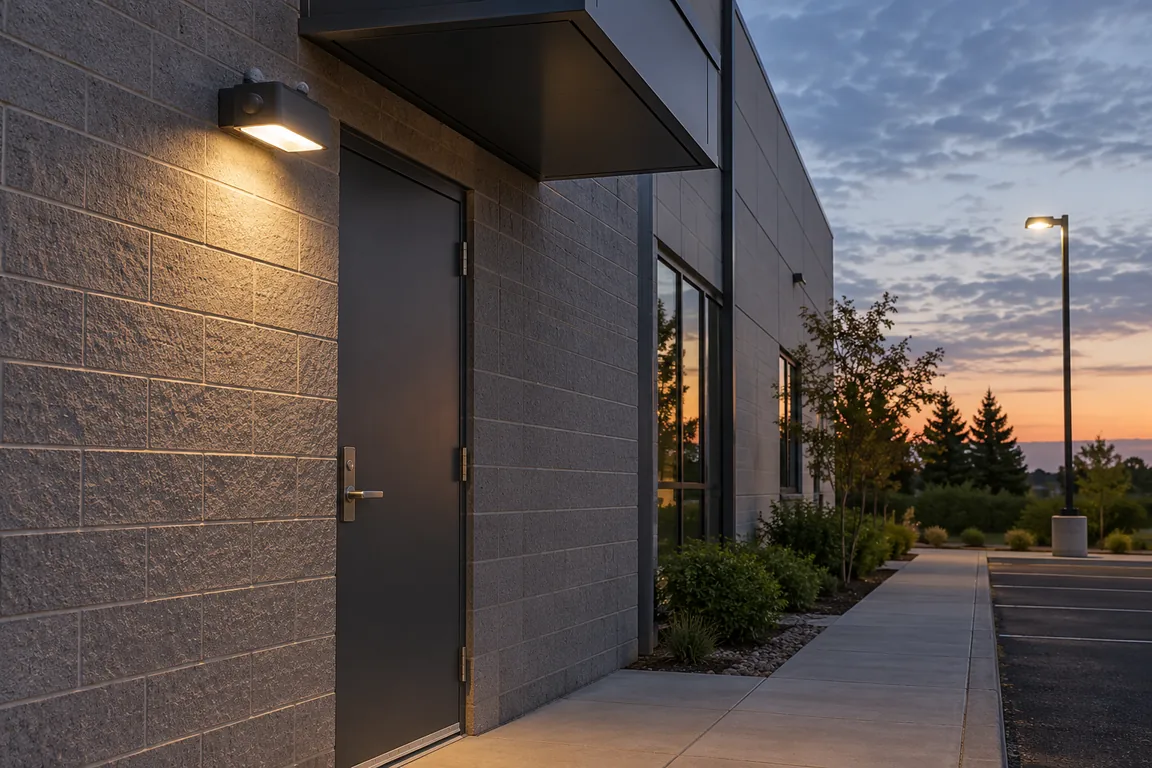
Controls, exterior equipment and current programs.
Can controls be added to an existing lighting system?
First establish the current equipment and intended operation. Commercial lighting controls can involve switching, schedules, occupancy response or other functions, but compatibility and site conditions need review. Describe which areas are used together and which need separate control. Adding a sensor is not automatically the answer to an equipment failure or a layout complaint. The proposal should identify the operating objective, the locations included and the information ordinary users need after the work.
What should a parking-light repair request include?
Give pole or fixture-head references, the times observed and whether one fitting, an area or the whole lot appears affected. Include parking, pedestrian and delivery conditions relevant to access. Parking lot lighting addresses lot equipment, while commercial exterior lighting considers connected property areas. A dark fixture does not prove a failed driver or photocell. Keep the observed pattern separate from any proposed replacement, added pole or broader distribution change.
Does every exterior repair require photometric planning?
Routine service and a development-related lighting proposal have different scopes. Replacing or investigating failed equipment does not automatically create the same documentation requirement as a new site arrangement. The Milton exterior and photometric planning guide explains useful project inputs and current municipal source routes. Confirm the actual requirements with the Town and appropriate project professionals where needed. Property location, proposed changes and applicable provisions matter; do not transfer a requirement from another project without checking its scope.
Are commercial lighting incentives guaranteed?
No eligibility, approval or amount should be assumed from the word LED or from a similar project. The current commercial lighting incentives page distinguishes program pathways and links to official requirements. Customer type, equipment, delivery arrangement and commitment timing can affect the decision. Confirm the actual pathway before relying on an incentive in the budget. The project should also explain its full equipment and installation scope, with any program-dependent assumptions visible to the purchasing and property contacts.
Keep workplace questions tied to occupied positions.
Office lighting connects fixtures with desks, screens, daylight and normal viewing directions. Record the room, task and time when glare, dimness or uneven output is reported. The same room can have several different complaints, and an empty-room photograph may not show the occupied condition.
A wider assessment can review those relationships alongside the equipment. An isolated failure can remain a repair request. Keep furniture, blinds, ceiling work and tenant decisions assigned to the appropriate parties rather than assuming every associated change is included in electrical work.
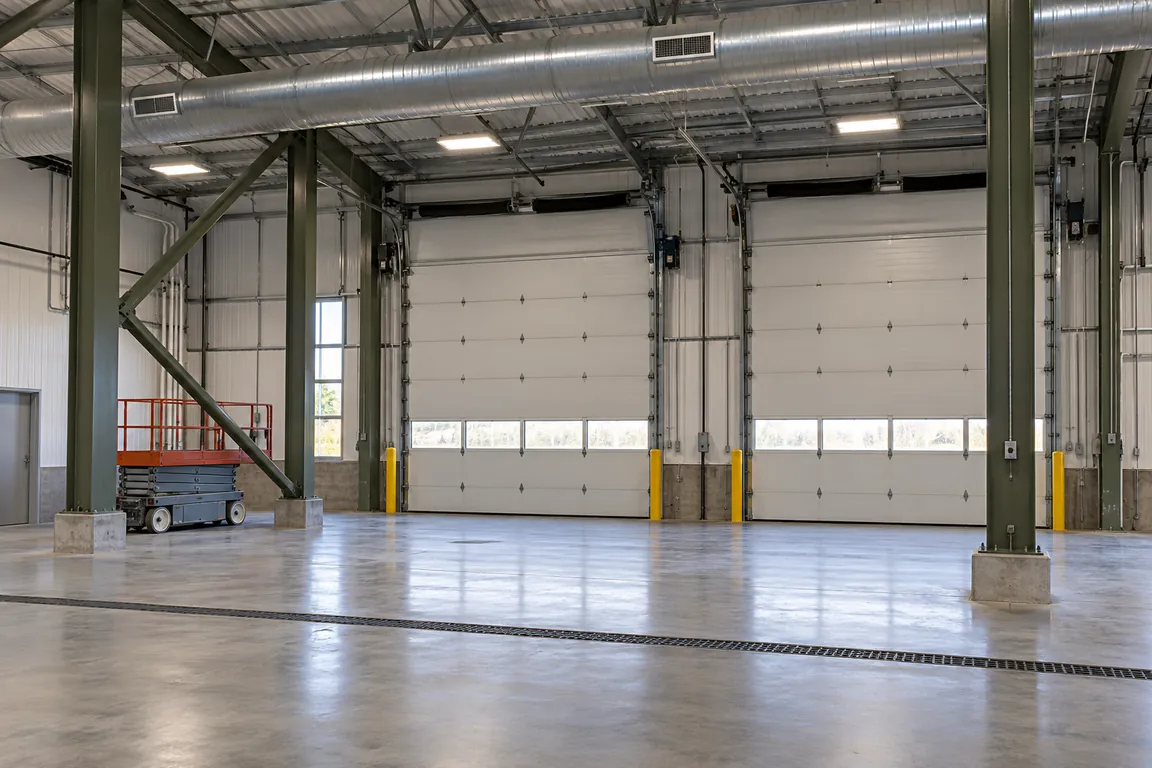
Access, phasing and assessment preparation.
Can lighting work be planned around occupied hours?
Supply the property's hours, delivery periods, meetings and restrictions, together with possible windows for discussion. Commercial lighting maintenance and a larger project can both require coordination, but after-hours availability is scope-dependent and must be agreed. Do not treat an available window as a confirmed booking. The service provider determines practical work and access arrangements for the locations concerned. If several zones are involved, identify which must remain in use and who can approve any temporary change.
What does a phased lighting project need to define?
State each phase's areas, equipment decisions and operational boundaries. One stage may address an immediate failure while another follows a planned layout change. Keep those objectives separate, with named approval contacts and the related construction or tenant work identified. The project team should understand what remains in service, what is excluded and what information is needed before the next stage. A phase label alone does not establish access, commissioning, occupancy or documentation requirements for the actual property.
What should I include in a site assessment request?
Use the site assessment request to describe the facility, current lighting, desired change and affected tasks. Include operating hours, available drawings, controls information and safe photographs where useful. Label unknown equipment details and estimates. There is no need to dismantle fittings or produce a final product list first. Lighting assessments and planning can help define the scope from that information. The enquiry starts a review; it does not itself confirm a price, schedule, incentive or installation approval.
When should I request service instead of an assessment?
Use lighting service when the immediate question is an existing failed or malfunctioning fitting, control or zone. Start with the affected location, observed pattern and access contact. Use an assessment for a planned change to equipment, layout, operation or a new area. If both apply, state the repair need and future decision separately. That lets the first discussion remain focused and avoids treating a narrow fault report as authorization for a wider project.
Keeping the project record useful.
What information should remain after lighting work?
Retain the areas and equipment covered, the work reported as completed and any product or ordinary operating information supplied. Keep recommendations for future work separate from completed scope. A location reference helps later reports identify the same fitting or zone, especially when property contacts change. The record should explain what changed and which decisions remain open without assuming that one visit covered every lighting concern at the facility.
Can one enquiry include several properties or different needs?
Yes, describe each property and need separately so the initial discussion can identify its scope. A failed fitting at one site and a planned controls project at another need different records and approving contacts. Use a consistent format without assuming the equipment is identical. State which need is immediate and which is a future decision; sending the information does not itself confirm combined work, a schedule or a shared installation specification.
Ready to plan?
Start with the facility and the decision.
Describe the property, its current lighting and the change you want to evaluate. Include operating hours, layout information and relevant photographs.