
Commercial & industrial lighting · Milton
Lighting for Property Managers & Multi-Site Portfolios in Milton
Property managers need a lighting process that makes reports actionable. A tenant’s brief complaint must become a location, observed condition, responsible contact and appropriate next step.
Across several properties, consistency should come from records and decision roles while each site retains its own needs. Separate current equipment service from planned capital work so neither disappears inside the other.
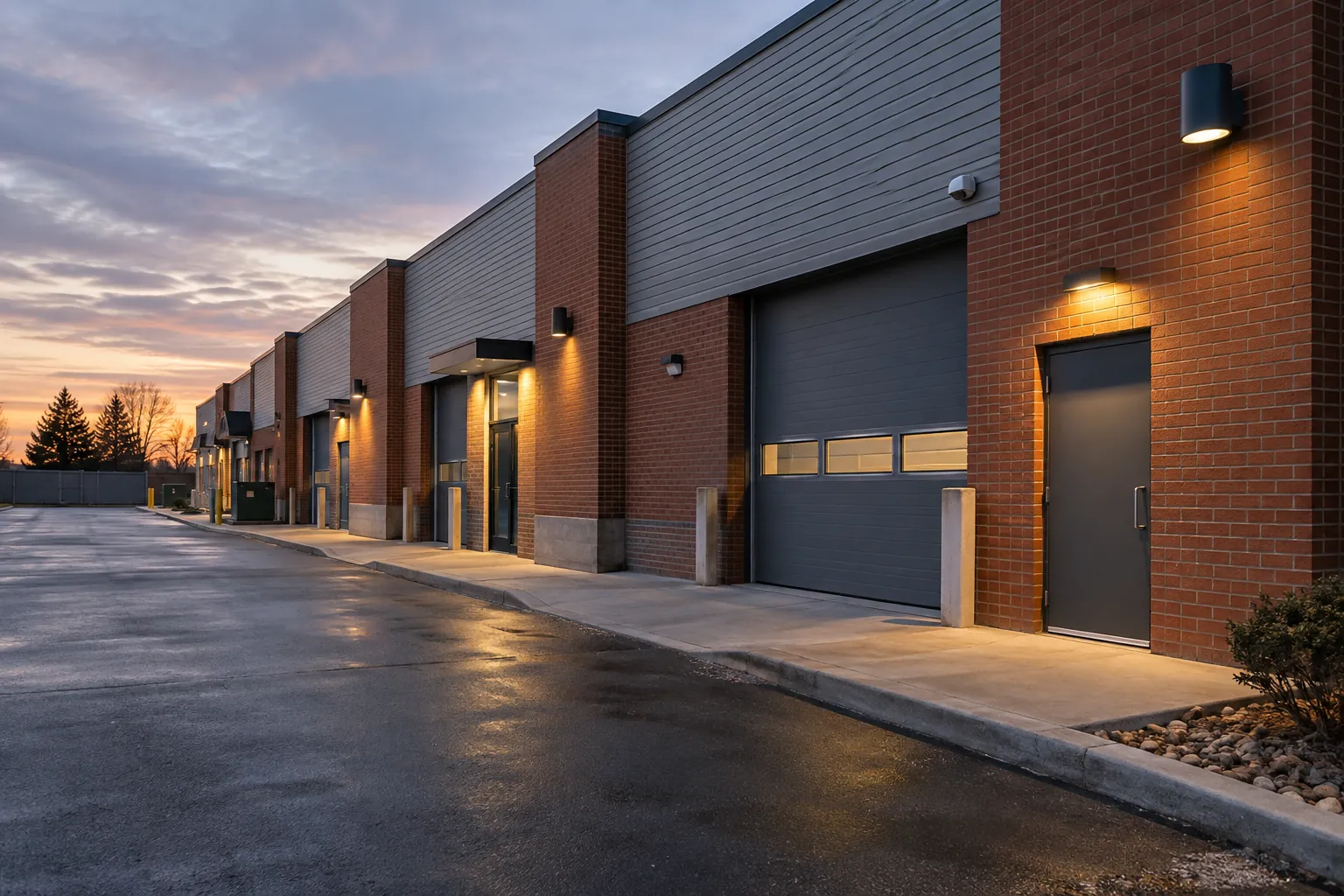
Triage the report before choosing the project.
A useful first response establishes what is affected and who controls the next decision. It does not diagnose a component from a short tenant message. The manager should collect enough ordinary observation to route the request, while the professional service scope resolves electrical conditions and the property process handles approvals.
The facility profiles can help the manager obtain the relevant operating evidence from each tenant or site contact.
Make the location specific.
Ask for the building, area and fixture group or sign location. Record the visible symptom and when it occurs, including whether one fitting or several are affected. Safe photographs and existing records can clarify the report without informal electrical investigation.
Identify the responsible contacts.
Confirm the equipment owner, access contact and approver through the relevant property parties. Include tenant activity and shared routes that may be affected. An occupant reporting the issue is not necessarily authorised to approve work.
Separate service and capital.
Route a current equipment concern for an appropriate professional review. Record any wider upgrade or operating objective separately. Preserve the original report so the immediate need remains visible while a capital proposal is being considered.
Translate tenant language into useful evidence.
Tenants may describe a dark corner, lights that stay on or a problem that appears after closing. Those descriptions are valuable but incomplete. Ask for the location, time and ordinary activity involved. Distinguish what was observed from a theory about the cause, and retain the tenant’s specific concern rather than replacing it with a generic maintenance category.
Several reports about one area can reflect different conditions. Daytime users may see glare near glazing while evening staff report a dark route. Record each relevant operating period. This helps the professional review address the actual issue and gives the manager a basis for explaining the resulting scope to the tenant.
Property management lighting services is the coordinated service scope. Commercial lighting repair addresses equipment faults. The manager’s industry decision is how to obtain the evidence and authority needed to use those pathways well. It should not depend on tenants opening fittings, testing electrical supplies or gaining unsafe access to identify a component.
Give each request a clear decision owner.
A property request can stall when equipment ownership, access and expenditure approval belong to different contacts. Identify each role explicitly. The person who holds a key may not approve work, and the budget contact may not know the tenant’s operating window. A short role record makes those dependencies visible before scheduling.
For a portfolio, use consistent role names but confirm the actual contacts at each property. Agreements and local arrangements can differ. Confirm authority, cost and responsibility with the relevant property parties and retain the agreed decision path. Record any unresolved boundary and the contact who will obtain the necessary agreement or information.
| Role | Information needed | Decision |
|---|---|---|
| Reporter | Location, symptom and activity. | Clear original concern. |
| Access contact | Occupied hours and restrictions. | Practical work window. |
| Approver | Scope and budget authority. | Authorised next step. |
| Records contact | Product and service history. | Verified equipment baseline. |
Access coordination is part of the manager’s work.
A service visit can affect tenant operations, shared routes or restricted rooms. Obtain the practical constraints before the work is scheduled. Identify notice requirements through the property’s normal process, the contact available on site and any activity that could change the agreed access window.
Do not make an access promise from the fixture count. A small task above a busy tenant work area can be harder to coordinate than a larger task in a vacant zone. The electrical professional needs to confirm the work method and conditions, while the manager coordinates the property and occupant responsibilities.
Where several tenants use the same area, record whose activity could be affected. Shared loading, parking and entrances may have a broader operating calendar than one tenancy. A scope should state the affected areas and phase boundaries. The manager can then communicate a concrete plan through the authorised property process, with temporary arrangements decided by the responsible parties for the actual site.
Asset records make recurring reports comparable.
Use a location system that remains understandable after staff turnover. A floor, room or zone reference should connect the tenant report to equipment history. Retain known product information and prior professional findings, including unresolved items. Mark estimated quantities or unknown models rather than presenting them as verified records.
Commercial lighting maintenance supports the equipment-record and recurring-service discussion. Compare repeated faults by location, equipment family and observed pattern. Similar complaints do not prove a common cause, and a replacement at one site does not establish the answer for another.
The record should show what was actually done. A narrow component replacement, a control adjustment and a wider project are different entries. Clear close-out information helps later reviewers distinguish a changed tenant need from an unresolved equipment issue. It also prevents a broad statement that lighting was serviced from being mistaken for building-wide compliance certification or approval of every related system.
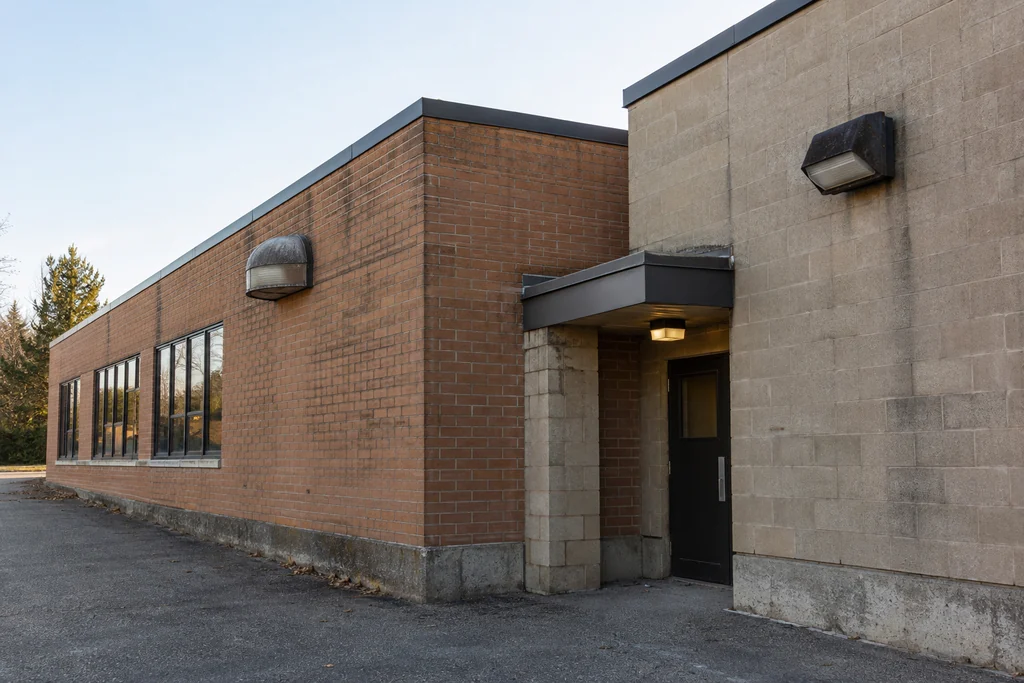
Capital priorities need more than the oldest fixture list.
Age can influence a capital discussion, but it is not the only criterion. Compare condition, operating needs, access disruption, parts information and expected tenancy or layout changes. An old but serviceable area and a newer area with a changed use may lead to different priorities. The manager should present the basis of the comparison clearly to ownership.
Commercial LED lighting retrofits develops the replacement scope. Keep verified equipment and operating assumptions visible in any energy or cost comparison. Do not multiply a generic saving percentage across properties or treat a possible incentive as approved funding. Program requirements and commitment timing need separate confirmation for the proposed measures.
The capital plan should retain urgent service needs and distinguish them from discretionary improvements. If a property is due for turnover or renovation, that timing may influence the proposed phase. Ownership needs a reviewable sequence with clearly stated assumptions, rather than a single ranking based on fixture quantities or an undefined desire to modernise the entire portfolio.
Portfolio consistency should preserve site differences.
A portfolio can use the same reporting method while retaining different equipment and operating arrangements. Define what consistency is useful: records, approval roles, product information or selected equipment standards. The actual mounting, exposure and tasks still need review at each included site.
Multi-site commercial lighting addresses the cross-property project approach. Networked lighting controls adds compatibility, administration and facilities/IT coordination where a connected platform is considered. A central system should not be assumed to integrate every fixture or satisfy every property’s network policy.
Milton’s commercial and employment context includes distinct facility types described through InvestMilton. The portfolio may therefore contain very different operations. Record the properties, areas and authorised contacts included in the scope. Local geography can explain the facility mix, but each building’s equipment and responsible contacts remain the basis for a decision.
Close the loop with the original report and a usable handover.
The completion record should return to the reported location and concern. State the work performed, information provided and any further issue identified within the agreed scope. The responsible manager should know whether a follow-up decision is needed and which party owns it. Avoid closing a request solely because a visit occurred.
For controls work, retain accepted schedules, zone names and authorised change roles. For equipment work, retain product and location information appropriate to the scope. A later complaint can then be compared with the known installation rather than reconstructed from informal recollection.
Review the process periodically with the actual property contacts. Tenant changes, staff turnover and altered hours can make the old request route or operating brief less useful. Updating those records is part of keeping decisions coherent. It does not require promising that lighting eliminates liability, guarantees security or resolves every property risk; the objective is a clear and evidence-based lighting service and project process.
Facility planning questions.
What makes a tenant lighting report actionable?
A specific location, visible symptom, timing and ordinary activity provide a useful starting point. Add the access contact and any existing records. Keep a tenant’s theory about the cause separate from the observation. Electrical investigation belongs to the professional scope, so staff do not need to open equipment or perform informal tests.
Should repeated faults automatically become a replacement project?
They justify a review, but the cause and appropriate response need evidence. Compare professional findings, equipment condition, access and operating changes. Keep current service needs separate from the capital decision. A recurring report can lead to repair, a control review or broader replacement depending on the actual site conditions.
Can one approval process be used across every property?
A common record format is useful, but the actual authority and agreements need confirmation at each site. Access, ownership and budget roles can differ. Preserve those differences rather than assuming the first property’s arrangements apply everywhere. Confirm authority and cost responsibilities with the relevant property parties, then retain the agreed approval path alongside the request record.
What should the manager receive after work?
Obtain the record appropriate to the agreed scope, including affected locations, work performed and further findings. Retain relevant product information and accepted control settings. Identify any next decision and its responsible contact. A clear close-out should distinguish completed equipment work from broader design or regulatory questions that remain separate.
Ready to plan?
Bring the facility decisions into one scope.
Share the properties and affected locations, original reports and available equipment records. Identify access and approval contacts, immediate service needs and capital priorities so the next step can follow a clear property decision process.