
Commercial & industrial lighting · Milton
Automotive & Showroom Lighting in Milton
Automotive and showroom lighting needs to account for reflective surfaces, large glazed areas and changing display positions. A room can have ample apparent brightness while a vehicle finish reflects a conspicuous source or an important detail remains difficult to view from the normal approach.
Keep the showroom display and the service task distinct. General coverage, product appearance and detailed work can require different arrangements within the same property. A clear brief identifies those areas and the conditions that matter to each before equipment or control zones are selected.

Review the finish from the normal customer view.
Reflective bodywork, polished products and glazed surfaces can direct light towards the viewer. The effect depends on the source position, surface shape and viewing direction. Assess the actual display item and ordinary approach rather than assuming that a uniform ceiling pattern will give a uniform appearance across every finish.
Record the parts of the display that are important to see and the positions where staff identify troublesome glare or reflections. A bright reflection may draw attention away from the surface detail, while an obstruction can leave another part of the item shaded. These are application questions, not simply evidence that the room needs a higher output.
Automotive and showroom properties develops those property considerations. Retail lighting explains the relationship between general, display and accent layers. A showroom can use that layered approach while retaining a specific review of the large reflective items that make its viewing conditions different from ordinary shelving.
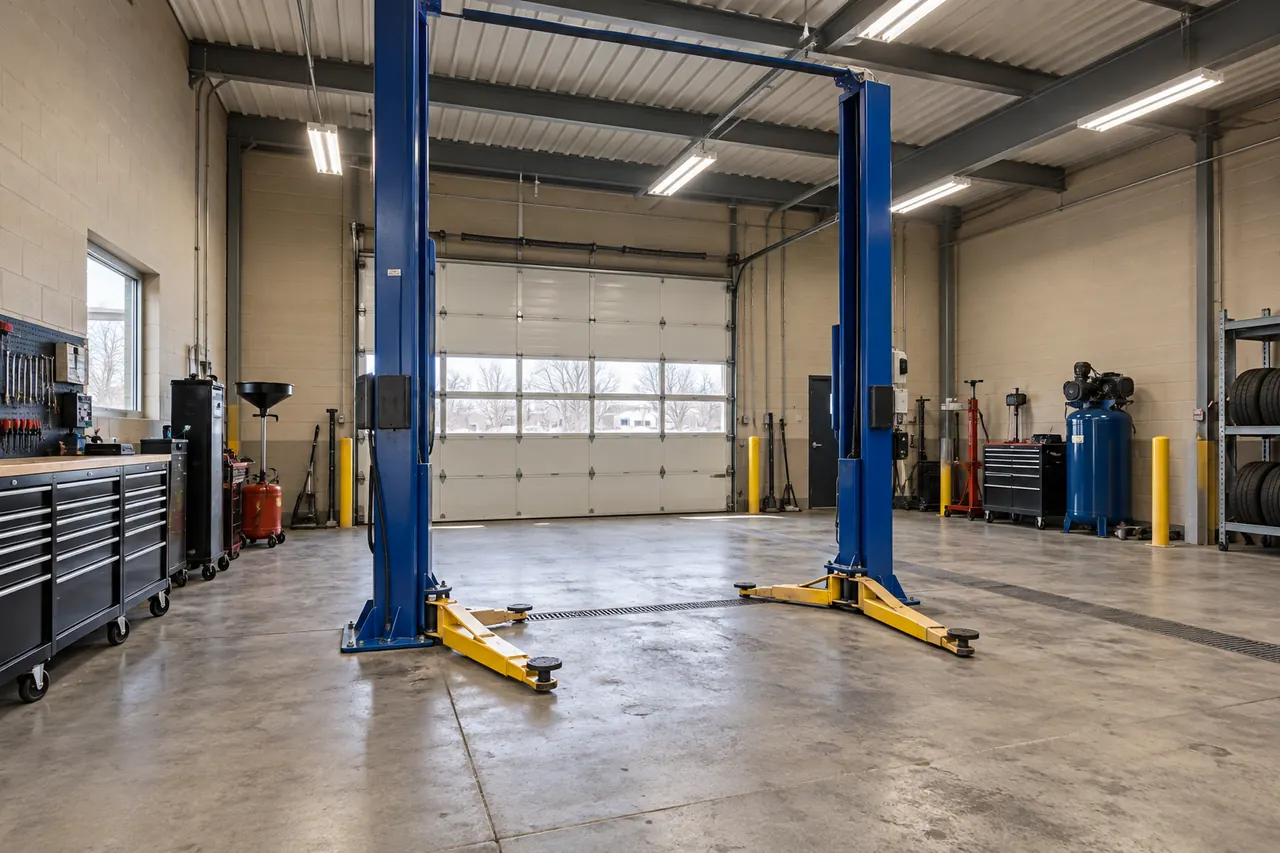
Keep service-bay tasks separate from showroom appearance.
A service or workshop area can involve tools, equipment, vehicle positions and detailed tasks that are different from displaying a finished product. General building light may need a separate focused layer at a work position, particularly where the vehicle or equipment creates shadows.
Industrial task lighting addresses defined work surfaces and inspection positions. Describe what needs to be seen, the usual working direction and the obstructions present during ordinary work. Do not assume that a showroom product family is suitable for every service environment because a consistent property appearance is preferred.
Known exposure, cleaning and machinery constraints should be provided by the facility. Product application and any additional requirements need the appropriate review rather than being guessed from the room name. A coordinated property project can include distinct showroom and service scopes, with clear boundaries and responsibilities for each.
The commercial lighting services overview helps keep showroom, elevated lighting and focused service-task work distinct within a coordinated property brief.
| Property area | Conditions to describe | Lighting focus |
|---|---|---|
| Showroom display | Finish, shape and normal viewing direction | Distribution and source reflections. |
| Glazed frontage | Daylight periods and display positions | Contrast and operating conditions. |
| High-ceiling area | Mounting and service access | Product application and maintenance planning. |
| Service task | Tools, vehicle shadows and work position | Focused visibility with environmental review. |
Glazing and daylight need an operating-period record.
Large windows can make the showroom look different through the day. Daylight may contribute to one display position while producing reflections or strong contrast at another. The darker operating period can reveal a different relationship between electric light, glazing and the outside background.
Record when the concern appears and whether display positions change during the period. Include normal use of existing blinds or other daylight measures without assuming that lighting alone can resolve every glazed-area condition. A daytime visit should identify any relevant evening or early-opening observations it cannot represent.
CCOHS lighting survey guidance distinguishes glare, contrast and distribution. Those categories are useful when a showroom complaint is described generally as too bright or too dark. The scope can then focus on the actual surface and view, with specialist measurement or design defined separately where needed. There is no single lighting level that describes every showroom display and service task.
Match high-ceiling equipment to the display layout.
Higher ceilings introduce distribution, mounting and maintenance questions that should be tied to the floor arrangement. A fixture above a fixed display item may have a different useful effect after the item moves. The proposal should consider representative display positions rather than assuming the current arrangement will never change.
High-bay LED lighting covers elevated product selection and access. For a showroom, include the visual effect at the item and the normal viewing angle alongside equipment output. Source visibility, colour consistency and control compatibility should remain part of the comparison.
Record overhead obstructions, ceiling features and areas where servicing is constrained by displays. Readily available plans and ordinary ground-level photographs can provide context, with inaccessible details marked for later confirmation. The lighting scope should not require staff to reach overhead equipment or move through restricted work areas to establish a more complete initial fixture record.

Compare colour consistency across representative finishes.
Different products and finishes can reveal differences between light sources. Where multiple fixtures illuminate one display zone, consider their colour appearance together and retain product information that supports future consistency. A replacement chosen solely by physical shape may produce a noticeably different result.
Review representative materials rather than relying only on an empty floor or a single display sample. The intended appearance can vary across matte, metallic and polished finishes, and reflected sources may remain the dominant concern at some positions. Keep those observations specific so the proposal can explain what it addresses.
For retail stores and shopping plazas, the showroom may also connect to shared entrances or neighbouring premises. Consider the transition where relevant without requiring every adjoining area to use the same equipment. The goal is a coordinated application, with differences that follow use and documented product choices rather than an accidental mixture of replacement parts.
Use zones to follow display and operating activities.
A showroom may have trading, cleaning, display preparation and occasional events at different times. Adjacent service or office areas may follow another schedule. Describe those activities before deciding which lighting groups should operate together or offer different settings.
Dimming and zoning considers the equipment compatibility and control boundaries. A useful zone arrangement relates to the actual display and work areas, while remaining understandable to staff. More individual controls do not automatically produce a more practical result if users cannot reproduce the intended setting.
Confirm the proposed fixtures and drivers against any retained controls. Unexpected behaviour or inconsistent dimming should be recorded through the service route using ordinary observations. Keep authorised adjustments and zone descriptions in the handover record so later display changes can be discussed against a known operating arrangement rather than solved by uncoordinated settings changes.
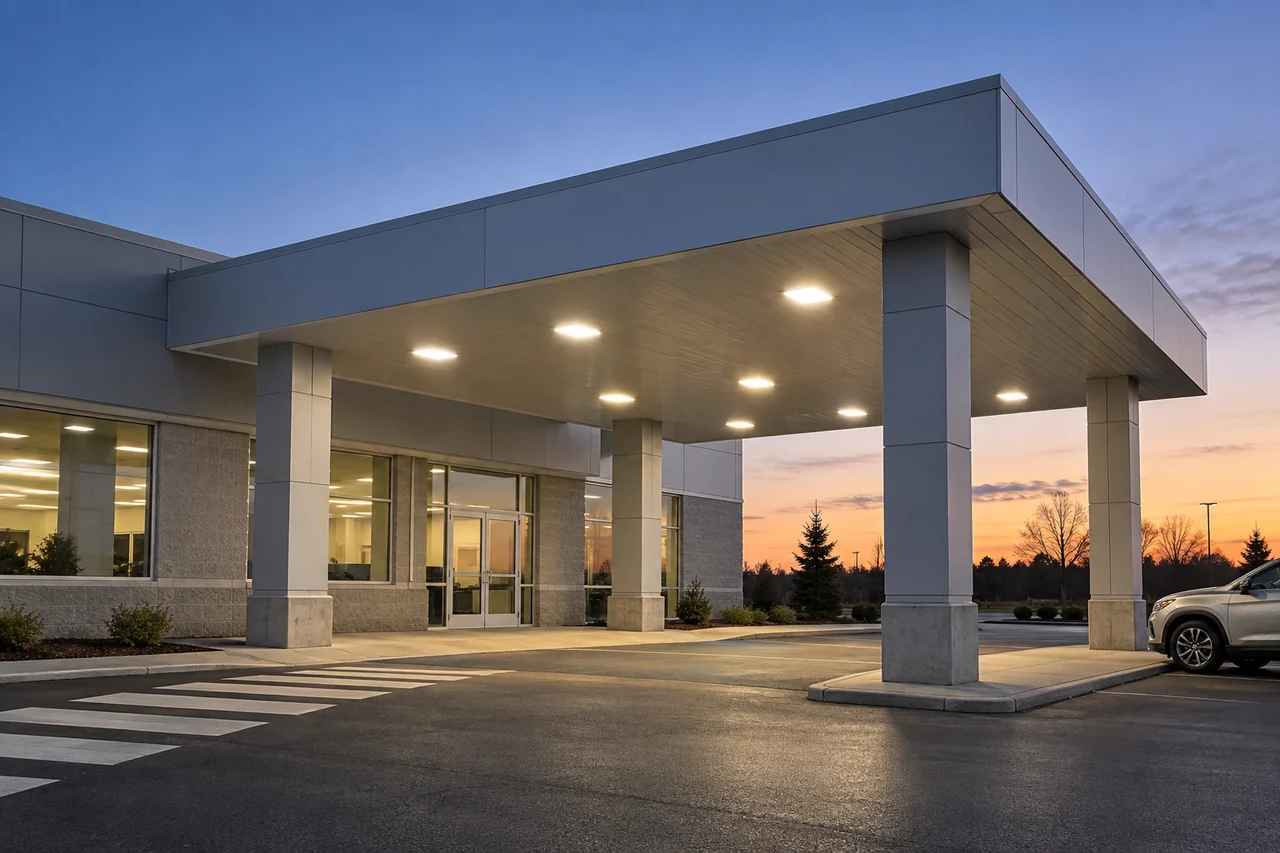
Plan access around valuable displays and active bays.
Identify what can be moved, which areas must remain available and who can coordinate the work window. Access above a showroom floor may need different arrangements from service equipment or a customer-facing frontage. The actual work method must be established for the property rather than inferred from an unobstructed photograph.
Record known restrictions from floor surfaces, overhead services, displays and vehicle movement. A proposed phase should explain its boundaries and the relationship with adjoining occupied areas. A preferred out-of-hours period is useful to discuss, with the schedule confirmed against the scope and building.
Maintenance access deserves the same attention as installation. Retain the locations where future service may require display movement or bay isolation. That information helps ownership compare alternatives that have similar visual aims but different practical implications for the ongoing operation.
Review the result with the intended display represented.
Return to the viewing positions, finishes and operating periods identified in the original brief. Representative display items should inform the discussion, because a cleared showroom cannot show all the reflections and shadows encountered in use. Include relevant service tasks separately where they formed part of the project.
Where controls changed, review the agreed scenes or zones with ordinary users and record approved settings. Product documents should identify the installed fixture versions and their locations, particularly where different distributions appear similar from the floor.
A later display rotation, different product or altered bay layout may change the lighting relationship while the system remains operational. Preserve the layout assumptions and service records so the next enquiry can distinguish a changed application from an equipment fault. This makes future decisions more useful than judging the property solely by whether the lights still turn on.
Automotive and showroom lighting questions.
Can more light make reflective finishes easier to view?
Sometimes output is relevant, but source position, reflections, contrast and the viewing direction can be more important. Describe the actual finish and difficult view before choosing an intervention. A stronger source in the same position may make a reflection more conspicuous rather than improve the detail being viewed.
Should showroom and service areas share one fixture type?
Only where the application, environment and required distribution support that choice. The service task and exposure can differ substantially from the showroom display. A common product family may include appropriate variants, but consistency should not remove the distinctions needed for the actual work.
What information helps assess a changing display floor?
Provide current and likely display positions, ceiling heights if known, glazed areas and normal operating periods. Add the surfaces or viewing positions that cause concern and the limits on moving displays for access. Those inputs help the proposal address realistic layouts rather than one temporary arrangement.
Should a showroom review include more than one finish?
Representative finishes help show how the arrangement relates to the actual display mix. Include relevant viewing directions and positions rather than expecting one sample to describe every reflective surface. The review can then distinguish a distribution or source-reflection concern from the different appearance of the items themselves.
Ready to plan?
Describe the finishes, views and work areas that need attention.
Share the Milton property location, showroom layout, glazed areas and service tasks. Include current equipment, planned display changes and restrictions on vehicle or fixture access.