
Commercial & industrial lighting · Milton
Multi-Site Commercial Lighting in Milton
Several properties can share a lighting strategy without sharing every fixture or setting. A useful portfolio plan starts with comparable records and makes the differences between sites visible.
Separate urgent equipment service from phased capital work. Agree who approves standards, purchases and local exceptions so the rollout can follow a consistent process while respecting each property’s operation.

Use one inventory method across different properties.
A portfolio comparison is only useful when the records mean the same thing at each site. Agree how fixtures, locations and control groups will be identified. Record known product details, condition, operating hours and access constraints using a consistent format. Mark uncertain information rather than converting guesses into apparently comparable quantities.
The inventory should preserve differences. One property may have a dense warehouse, another a low-ceiling tenant area and another a shared exterior lot. Fixture age and replacement history can also vary. Grouping everything under an LED or exterior label can hide important equipment and maintenance distinctions.
Property management lighting services connects records to day-to-day requests. Property managers and multi-site portfolios develops the approval and tenant coordination questions. Identify the Milton properties, authorised contacts and areas included in the proposed portfolio scope. Record the inventory source and any information still needed at each property before the site priorities are compared.
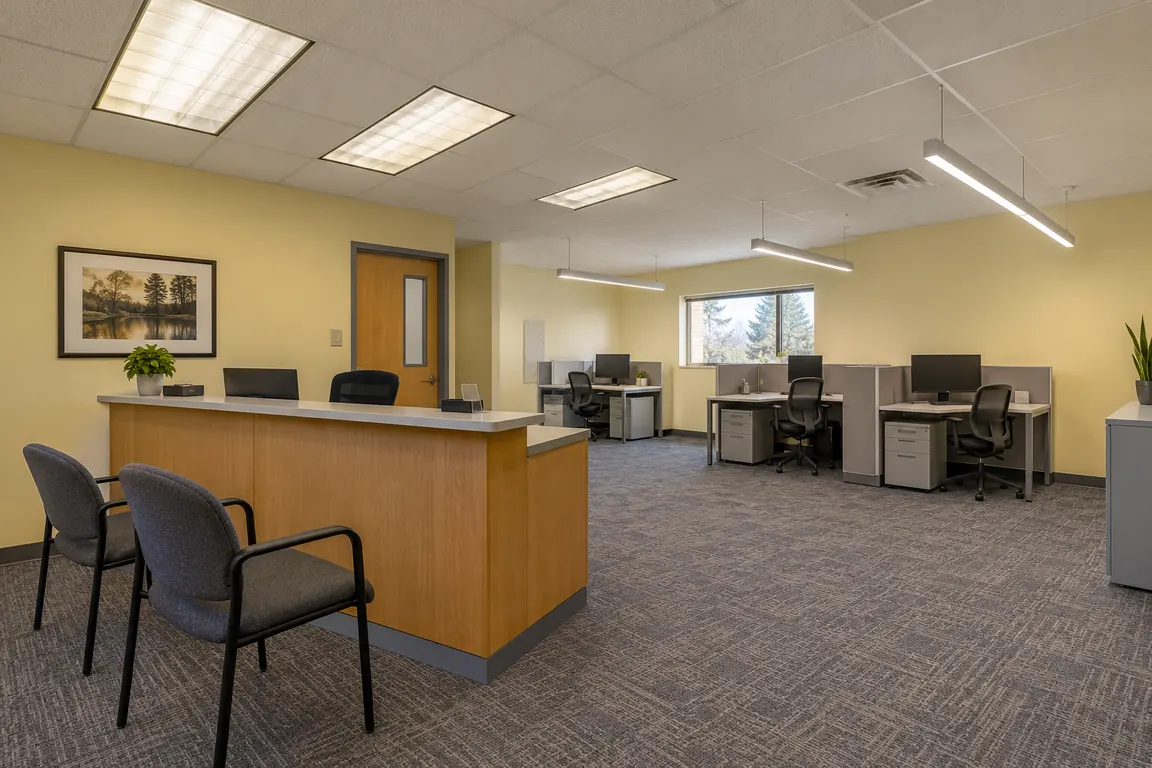
Compare needs before setting a standard specification.
Standardisation can simplify product records and future procurement, but it should follow a review of the applications. A fixture suited to one mounting height, exposure or task may not suit another. Define what should be consistent and where local variation is required. A product family, documentation format or control vocabulary may be a more useful standard than one fixture model everywhere.
Ask each site contact to identify the operating problem. A failed fitting, an outdated schedule and poor task visibility should not be grouped as the same capital need. Record planned tenancy, rack or layout changes that could affect the decision. A standard built around a space about to change may create avoidable rework.
For retail stores and shopping plazas, trading hours and frontage responsibilities can differ across tenants. Commercial landlords and tenant properties adds turnover and base-building boundaries. Include those operating facts when standards are reviewed. The portfolio brief should explain permitted exceptions and who approves them, instead of leaving each site to improvise after procurement has begun.
The lighting service scopes help keep each site’s maintenance, replacement and controls work identifiable within the portfolio plan.
Compare the portfolio on useful decision criteria.
Choose criteria that explain a project priority rather than ranking sites solely by fixture count. The current concern, operating use, condition records and available access all affect the scope. A small area with recurring faults can require attention before a larger area with serviceable equipment, while a scheduled renovation may create an appropriate capital window.
Keep comparisons transparent. If one site has verified records and another has estimates, identify the difference. If energy use is being considered, use the actual equipment baseline and operating assumptions rather than a generic savings percentage. The portfolio plan should make the basis of each decision reviewable by the approving contact.
| Comparison | Site information | Planning use |
|---|---|---|
| Equipment | Product family, age and known condition. | Repair or replacement options. |
| Operation | Hours, tasks and expected changes. | Appropriate scope and sequence. |
| Access | Occupied areas and available windows. | Phasing and disruption planning. |
| Governance | Approver and tenant boundaries. | Purchases and local exceptions. |
Separate service priorities from the capital rollout.
An urgent equipment concern should remain visible even while a broader upgrade is being considered. A capital plan can take time to review, and its proposed sequence may not address a failed fixture group promptly. Keep the service request and the future project scope distinct, with each routed to the appropriate contact.
Commercial lighting maintenance helps organise recurring faults and service records across the selected properties. Commercial LED lighting retrofits addresses the broader replacement comparison. A portfolio may use both pathways, but the same justification should not be assumed for every site. Equipment condition, parts availability, layout and access costs can lead to different decisions.
Record recurring patterns without presuming a common cause. Several similar complaints can arise from different local conditions or mixed equipment. The electrical professional should review the actual installation at the affected property. A consistent reporting method makes those reviews comparable; it does not diagnose every site from one representative fault or guarantee that one replacement specification will solve all reported issues.

Procurement needs a controlled path for local differences.
Before purchasing equipment for several properties, define the approved scope at each one. Confirm product information, quantities and unresolved site conditions. A bulk order based on a preliminary inventory can lock the project into equipment that has not been checked for every application. The procurement process should allow those uncertainties to be resolved before commitment.
Identify who approves substitutions. Availability can change during a phased rollout, and a superficially similar product may differ in mounting, output, driver or control compatibility. Retain the original decision criteria so a substitute can be reviewed against the actual site need. Do not let a purchase description replace the professional application review.
The property lighting planning guide links portfolio records to capital decisions. Keep any potential incentive route separate from confirmed procurement economics until the applicable program has reviewed qualification and timing. Avoid multiplying a generic discount or savings figure across the portfolio. Each proposed measure and site baseline needs the appropriate evidence, with unconfirmed assumptions labelled in the internal decision record.
Connected controls add an ownership question.
A shared controls platform can make some portfolio functions consistent, but it also introduces dependencies and administration responsibilities. Identify what is intended to be managed centrally and what remains local. A retail frontage schedule and a warehouse shift calendar may share a platform while requiring different permissions and exceptions.
Networked lighting controls considers device groups, compatibility and facilities/IT coordination. Do not promise that one platform will integrate every existing fixture or meet every property’s network policy. The relevant product and organisational reviews need to occur before the shared approach is committed.
Record account ownership, authorised change roles and the support route where those functions are part of the selected arrangement. Staff turnover should not leave a property without access to its ordinary lighting functions. The portfolio handover should preserve local zone maps and accepted schedules as well as the central standard, so later service can identify the actual installation rather than relying only on a high-level platform name.
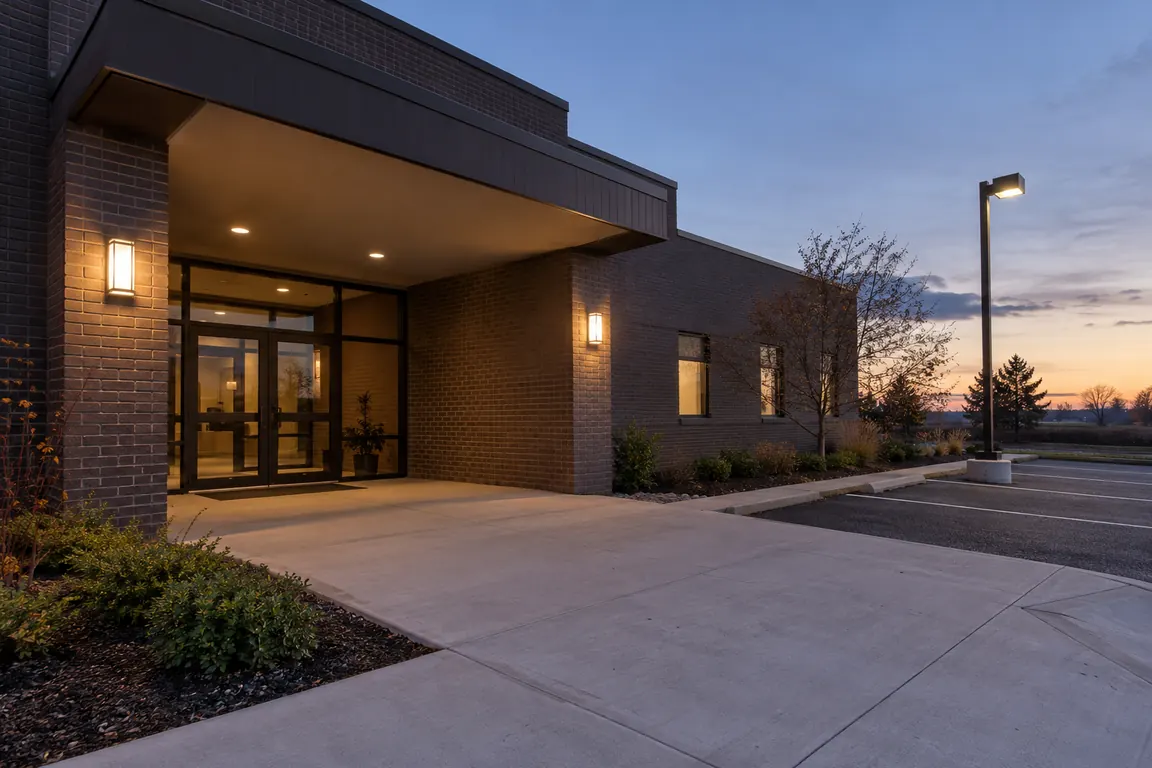
Rollout phases should follow site readiness.
A practical sequence considers approvals, stock movement, tenant activity and access windows. The most convenient procurement batch is not always the best installation phase. Record which sites are ready, which require further review and which have changes scheduled that could affect the lighting scope.
Use clear completion boundaries. A phase should identify the areas and functions delivered, the records provided and any remaining work. Avoid calling a property complete when an adjoining zone or unresolved control question still affects the intended operation. A consistent close-out format helps the portfolio contact compare progress without claiming that every site has identical conditions.
Milton’s commercial and industrial property context includes distinct employment areas described by InvestMilton’s business park information. Location can help explain the facility mix, but it does not determine fixture selection or prove an operating relationship. The individual buildings, occupancies and confirmed project scope remain the basis for a rollout plan.
Govern the standard and preserve local evidence.
Agree how the portfolio standard will be reviewed over time. Products, tenancies and building layouts can change after the first rollout. The record should show why a standard was chosen, which exceptions were accepted and who can authorise a future revision.
Establish comparable records.
Use the same inventory and issue-reporting method at each included site. Identify responsible contacts and unresolved information. Separate equipment faults, operating changes and capital objectives so each can follow the appropriate decision path.
Approve the phased approach.
Confirm site-specific equipment, access windows and purchase requirements. Record standards and justified local differences. The electrical scope and applicable requirements should be reviewed for each actual installation rather than assumed from another property.
Retain a usable handover.
Keep installed product information, location records and control settings for every completed phase. Identify the support route and approver for future changes. Compare later concerns with the original site evidence before extending the portfolio standard to a new application.
Questions about this lighting scope.
Should all portfolio properties use one fixture model?
A common model may suit some similar applications, but mounting, exposure, tasks and controls can differ. Define the useful standard and required exceptions. A consistent record format or product family may provide benefits without forcing one fitting into every area. The actual property conditions should remain part of the selection decision.
Can one site assessment establish the scope for every property?
A representative site can inform the planning method, but it does not establish concealed conditions, equipment or access at the others. Each included property needs appropriate verified information. Clearly identify estimates and unresolved items. The rollout should proceed on confirmed site scope rather than assuming every building matches the first location.
How should urgent faults be handled during a planned rollout?
Keep a distinct service request for the affected location and equipment. The capital plan should not obscure a current concern. Record any temporary service decision in the property history, then compare it with the later upgrade scope. The professional review determines the appropriate equipment response for that particular fault.
What makes a portfolio handover useful?
Retain both the shared standard and the local installation record. Include site contacts, product details, zone maps, accepted control sequences and justified exceptions. Identify who approves changes and how support requests are routed. Those records help maintain consistency while preserving the different operating requirements that shaped each site’s completed scope.
Ready to plan?
Bring the facility decisions into one scope.
List the Milton properties, contacts and priorities you want included. Share available fixture records, operating differences, approval roles and preferred rollout windows so site-specific work can be compared within one coherent plan.