

Give each lighting zone an identity.
Start with the property and a plain location name: rear service doors, north parking row, first-floor corridor or warehouse packing corner. Add a plan reference where available. Record the visible fixture style and known equipment information without asking staff to open fittings or access high positions. Unknown models can remain questions for professional confirmation.
Attach the responsibility to the zone. Is it a tenant area, shared space or equipment managed by another party? Identify the authorised contact and who can approve access. Property management lighting services brings these coordination questions into the service scope. Property managers and multi-site portfolios adds the need for a consistent record across properties without pretending their equipment and operations are identical.
Use the same field names, but preserve site differences. A standard register is a way to compare information, not evidence that every property needs the same fitting or schedule. Keep the source of known details so the next contact can distinguish a confirmed model from a visual description.
Turn complaints into observable service information.
A useful request names the location, affected group, time and visible behaviour. Record whether the problem is constant, intermittent or shared by nearby fittings. Add recent work or changes known from actual records. Avoid declaring a cause, safety classification or response priority from a brief website description alone; follow the property’s established reporting and assessment process.
Commercial lighting repair is the equipment-fault route. The commercial lights not working guide helps organise an outage report, while the parking lot lights not working guide adds pole and exterior-group context. A property register should preserve those details instead of reducing every request to “replace bulb.”
Photographs from normal safe positions can show the affected area and arrangement. Associate each photograph with the zone, and keep tenant information limited to what is necessary to coordinate the request. Electrical diagnosis, equipment access and testing belong to the appropriate professional scope, not to staff gathering a maintenance record.
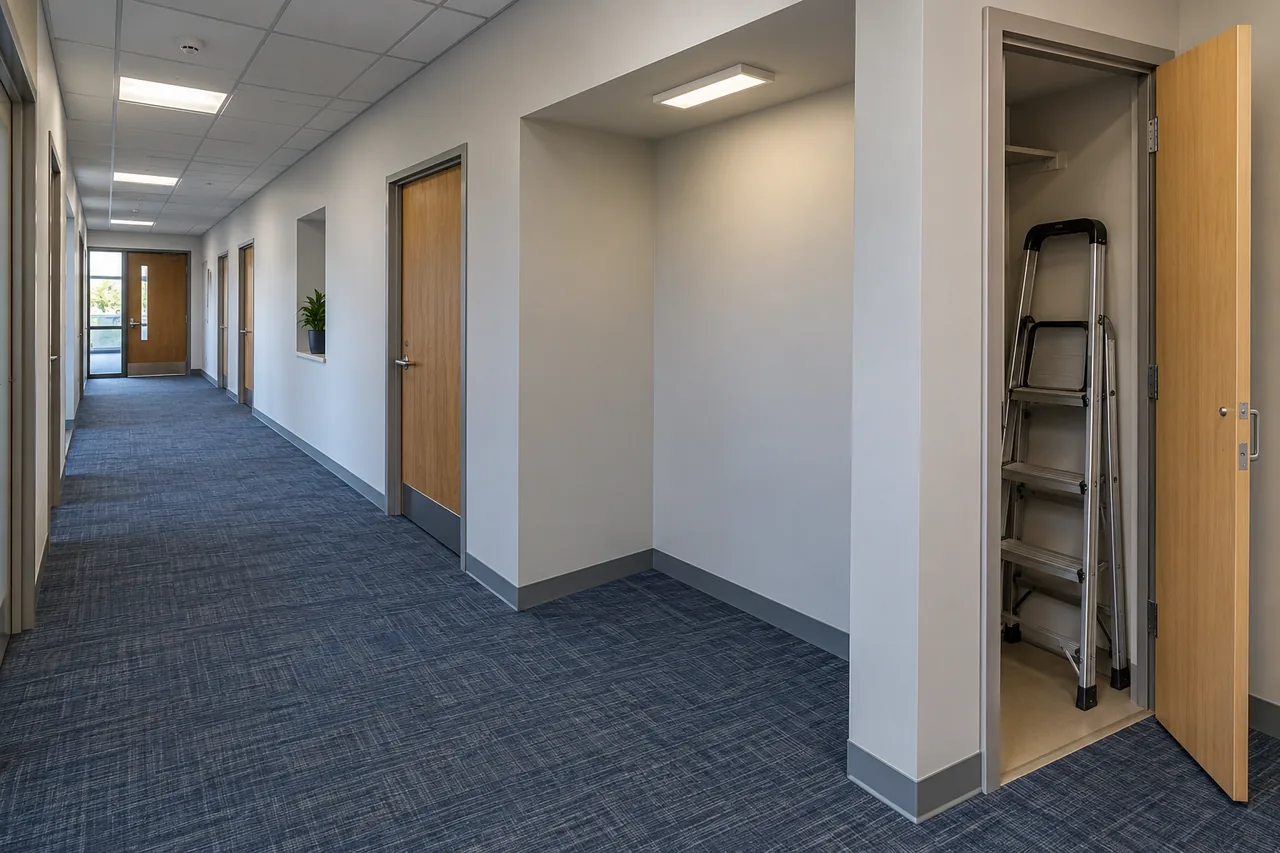
Track recurrence without inventing a failure history.
Record dates, locations, reported symptoms and work actually documented. If a previous repair is unknown, mark the gap rather than assume the fitting has never been serviced. Separate repeat reports about the same event from confirmed recurring events; otherwise the record can make one unresolved issue appear to be several independent failures.
Commercial lighting maintenance considers the continuing equipment condition. A recurring pattern can prompt a wider review of compatibility, retained components, control behaviour or the arrangement. It does not prove every fitting of the same appearance has the same defect. Keep the evidence associated with the affected equipment group.
At a periodic property review, compare recurrence with access and operational effects. A small fault that repeatedly disrupts a difficult-to-reach area may deserve a different planning conversation from an isolated issue with straightforward access. The register supports that comparison by retaining facts; it should not prescribe a replacement decision solely from a fixture’s assumed age.
Include office complaints beyond complete outages.
Office lighting requests can involve glare, screen reflections, mixed panel output or a meeting room that switches off during use. Record the workstation or room, the activity and when the condition occurs. A room can appear evenly lit in a photograph while a user experiences a reflection from their seated position.
Office lighting considers those tasks and the surrounding arrangement. Office LED lighting upgrades can address a planned change where the retained system or output consistency needs review. The office lighting problems guide helps distinguish a visual complaint from an equipment fault or control sequence, so the service request can be directed more precisely.
For offices and business parks, tenant schedules and meeting activity matter to both observation and access. Collect comments from the positions that cause difficulty rather than deciding that every complaint calls for more output. The CCOHS lighting survey guidance considers tasks, glare, contrast and shadows in that fuller context.
Retain controls as part of the equipment record.
Add the known control arrangement, the intended schedule and who can authorise changes. When the observed behaviour differs, record the zone and timing. A group staying on, failing to come on or switching off during activity is useful information, but it does not establish which device or setting is responsible.
Commercial lighting controls connects sensors, switching, dimming and schedules with compatible fittings. Keep the agreed sequence at handover and record later changes through the authorised process. An undocumented adjustment can make recurring symptoms harder to understand, especially if a tenant’s hours differ from the original assumption.
Layout changes can also affect operation. New partitions, stock or furniture may alter a detection path even when no electrical work has been recorded. Include those changes in the maintenance enquiry. Staff should report them and the occupied activity, rather than bypass controls or open equipment in an attempt to establish the cause.
Separate building-mounted, parking and garage groups.
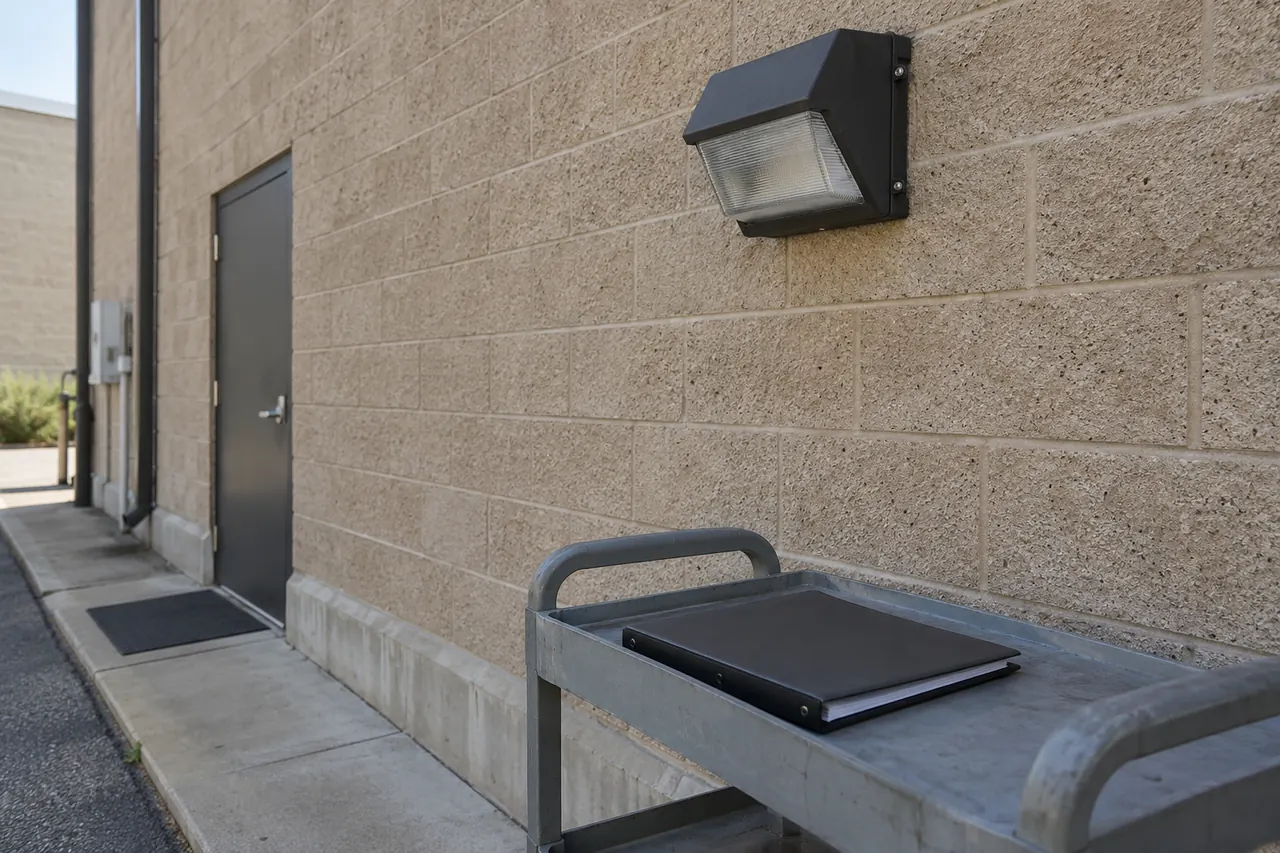
An exterior complaint may involve pole lights, wall fittings and an entrance route at the same time. Mark each group and the responsibility for it. Commercial exterior lighting is the broad scope, parking lot lighting addresses the pole and site arrangement, and parking garage lighting adds the enclosed routes and zone transitions.
For retail stores and shopping plazas, shared areas can involve several tenant schedules and access contacts. Condominiums and multi-residential properties involve professionally managed common areas and shared exteriors within this commercial maintenance scope. Do not assume that equipment visible from one tenant entrance belongs to that tenant.
Record neighbouring property concerns and the actual occupied routes where relevant. A maintenance replacement should be reviewed for compatibility and distribution rather than assumed to reproduce every characteristic of the previous fitting. If the scope changes the arrangement, identify that as a planning question instead of disguising it as a routine part substitution.
Plan grouped access using the occupied property.
Grouping confirmed work can be useful where several locations share an access window or where repeated visits would disrupt the same operation. Start with the actual issues and equipment records. Identify what can be done together and which areas have separate responsibility, scheduling or compatibility questions.
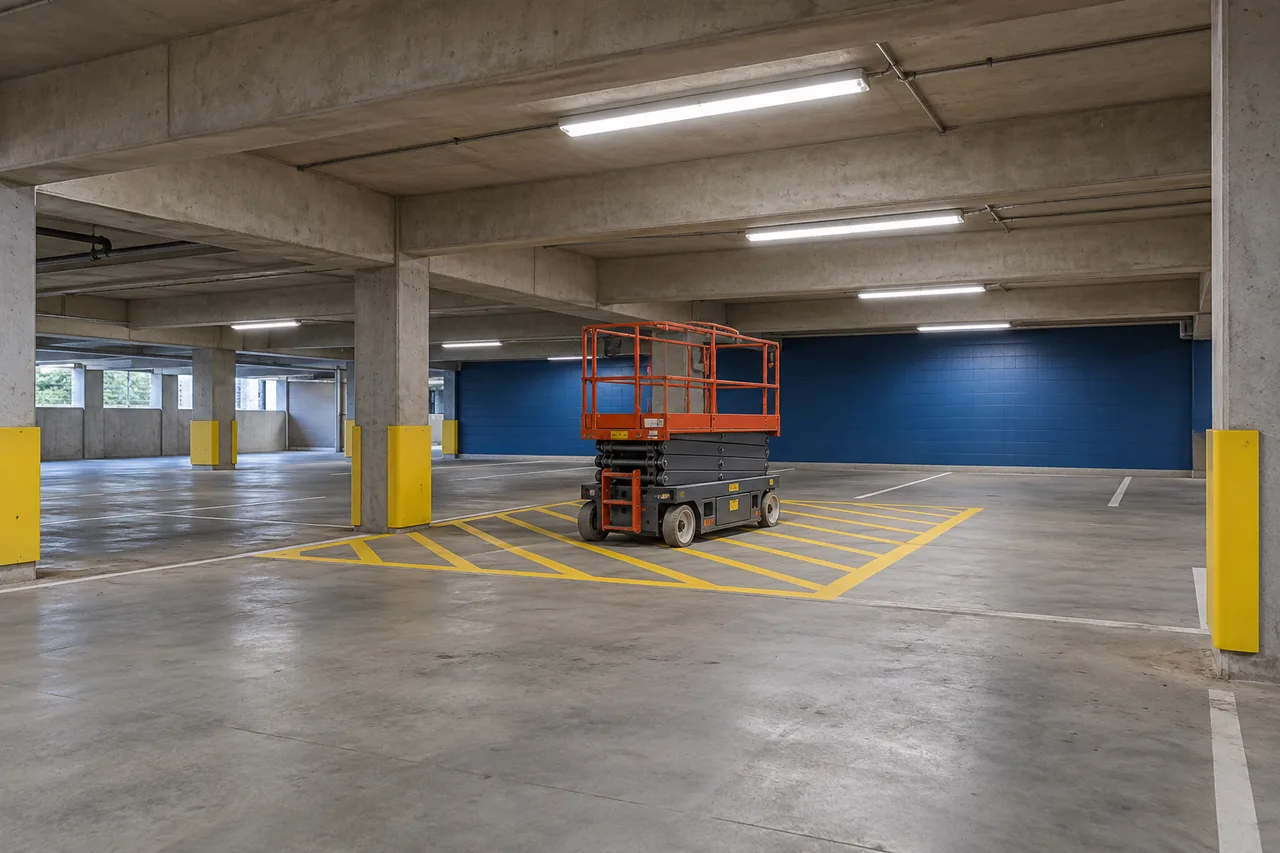
Record lift or work-area access constraints without assuming ownership of equipment or a particular installation method. Include parked vehicles, stored goods, narrow routes and tenant activity. Identify the contact who can confirm an area will be clear and the periods when that arrangement is realistic. A proposal based on an empty access zone should say so.
The grouped plan should also identify how each area returns to use and how remaining faults are reported. Keep the work list location-specific, with any exclusions clear. That makes it easier to verify the agreed scope and prevents the phrase “site maintenance” from being mistaken for a review of every fixture and control at the property.
Use the register to compare repair and capital planning.
A capital review can be considered when records show recurring problems, inconsistent equipment, unsuitable distribution or a desired change in operation. Keep that discussion separate from the immediate service request. Restoring one failed fitting and planning an upgrade across a zone can both be appropriate decisions, but they require different scope and evidence.
Multi-site commercial lighting can organise the portfolio comparison. Record the condition, operating hours, access and responsibilities for each property before proposing standardisation. The same model or control preference should not be imposed where mounting, tasks or compatibility differ. Consistent records are more valuable than an unsupported claim that all sites can use one solution.
For commercial landlords and tenant properties, confirm who approves the capital work and how tenant areas interact with shared systems. Keep equipment identification and the rationale for retained or replaced groups. That information supports future maintenance without treating the capital decision as a guarantee of lower costs or fewer faults.
Close the work record with confirmed information.
After a task is completed, record the locations and work actually included, the relevant confirmed equipment information and any control changes within the authorised scope. Note remaining observations or a further review recommended by the professional. Avoid replacing a specific completion record with a broad statement that the entire property’s lighting is satisfactory.
The next property contact should be able to connect the work to the original report. Retain the event reference, proposal scope and useful handover information together. If another complaint arrives, compare its location and conditions with that record before assuming it is the same fault. A clear close-out improves the next enquiry and keeps the history accurate even when staff, tenants or management contacts change.
Assign a review process that fits the property records.
Identify who receives reports, maintains the register and authorises professional enquiries. Use the property’s applicable obligations and professional advice to determine any required inspection or testing arrangements for specific equipment. Ordinary lighting observations should not be substituted for the requirements that may apply to emergency or exit systems.
The ESA property-owner guidance explains responsibilities when electrical work is arranged. Confirm the requirements for the actual proposed work and verify the appropriate contractor. Do not treat a generic maintenance plan as certification of the building or a declaration that every fitting has been inspected.
When removed materials are involved, the RPRA lighting information helps identify the regulated lighting-product context. Confirm a suitable stream for each material; complete housings and equipment should not be assumed to be accepted wherever lamps or tubes are collected. Keep the agreed disposal scope with the work record.
Make the next request easier than the last one.
The useful register fields are property, zone, responsibility, known equipment, control sequence, reported condition, event date, documented work and access constraints. Add the next decision and the person responsible for it. Keep the record concise enough to maintain, with supporting photographs or documents linked to the correct location.
Use it when making both service and planned-assessment enquiries. The professional can then review a specific symptom or compare the wider scope without rebuilding the facility history from memory. After work, update only the details actually confirmed and retain any unresolved question. A completed task should not silently become a claim that the entire property has been reviewed.
The Resources problem guides help standardise useful symptom reporting, while the Blog maintenance and planning articles connect recurring records with future decisions. The value comes from clear information and responsibilities. Set review arrangements using the property’s actual obligations and professional advice, and record who authorises changes and maintains the register.
Questions about maintaining the property record.
Should the register include fixtures that still work?
Yes, where the information is useful to identify zones, responsibility and future service. Record known details and mark uncertainty. Working equipment can still be involved in output consistency, distribution or control complaints. The register should describe the arrangement without implying that every listed fitting has been professionally inspected.
How should a repeat complaint be recorded?
Keep the event date, zone, observed behaviour and documented response. Distinguish another report of an unresolved event from a confirmed recurrence after work. Include known changes in activity or layout. This helps a professional review the pattern without assuming a cause from the number of messages received.
Can one maintenance plan be copied to every property?
A consistent format can be used, but the equipment, responsibilities, operating hours and access must remain property-specific. Shared headings do not establish identical requirements. Record differences clearly so grouped or portfolio work is compared against each site’s actual conditions and authorised scope.
When should maintenance information lead to a planned assessment?
Consider a broader review where documented recurrence, access, distribution or operational change raises questions beyond an isolated repair. State the evidence and the decision needed. Keep any immediate service request visible, so the capital-planning conversation does not delay or obscure the property’s existing reporting process.