
Commercial & industrial lighting · Milton
Lighting Timers & Scheduling in Milton
A lighting schedule should reflect the facility calendar rather than an assumed closing time. Opening preparation, late departures, deliveries and special events can extend activity beyond the public hours.
Review the normal sequence and its exceptions before selecting a timer or revising settings. If an existing schedule behaves unexpectedly, document the visible pattern and identify which areas it affects.
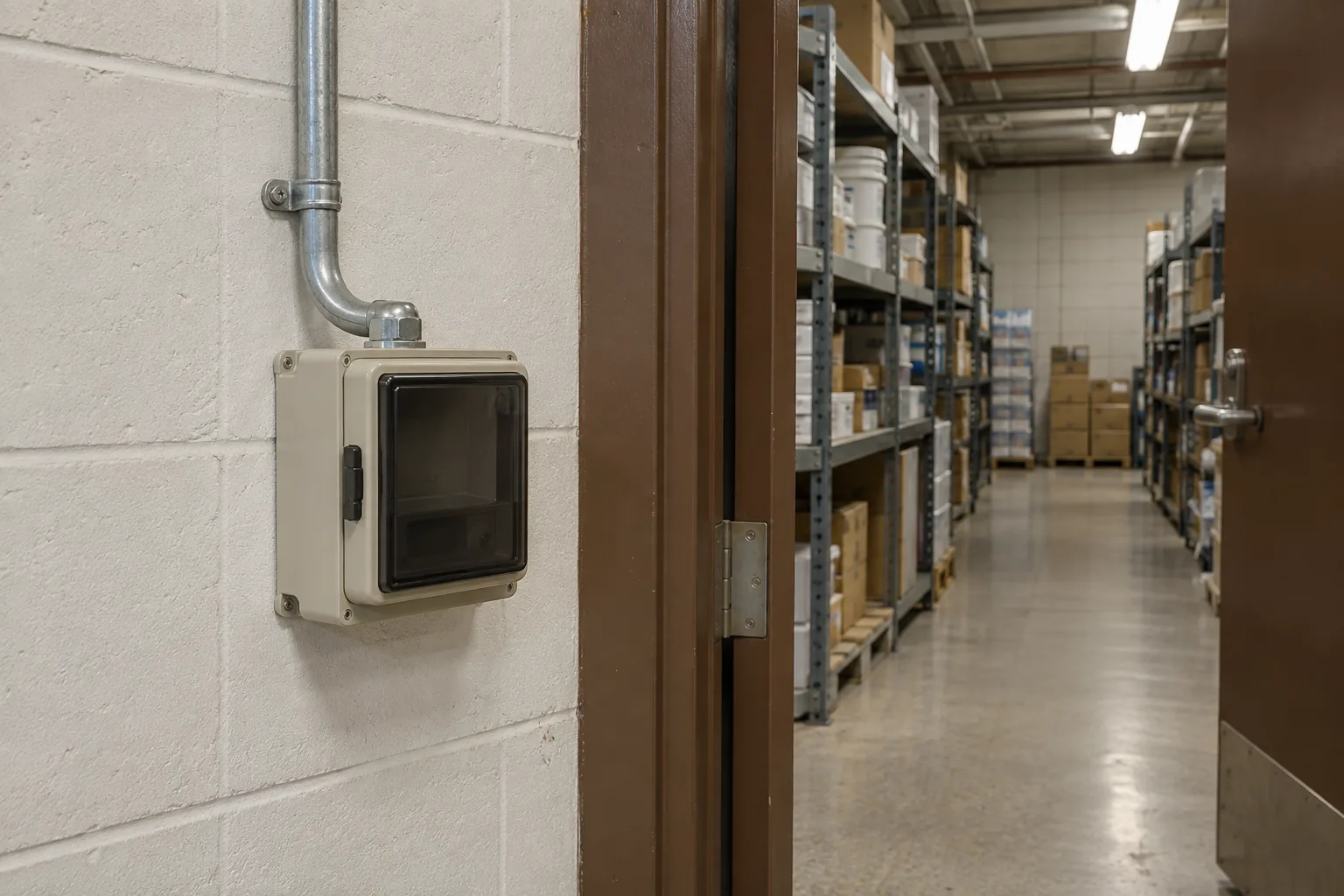
Build the calendar from the operation.
Ask the people who use the building when each area is occupied. The published business hours may omit cleaners, security staff, inventory work or preparation before opening. A warehouse office and a shipping area can have different calendars within the same property. Record those differences before grouping their lighting under one schedule.
Include the ordinary week, weekends and recurring seasonal changes. A schedule that fits the busiest weekday may leave an unneeded area operating on a quiet day, while a short public schedule may miss staff activity after closing. The goal is a sequence the property can explain and maintain, with the occupied areas clearly identified.
Commercial lighting controls provides the wider control framework. For transport-facing operations, the distribution and logistics guide connects shifts to staging and dock activity. Logistics and supply-chain facilities often need a discussion about irregular shipping windows rather than a single building-wide opening time. The timer scope should describe those operational requirements without promising that one standard calendar suits every site.
Where several departments share a building, obtain their calendars together. One team may request an early start while another assumes that the same zone remains closed. Resolve those conflicts through the facility contact before settings are changed. A single approved schedule record gives the professional scope a consistent instruction and gives staff a reference when a later request appears to contradict the agreed operating hours.
Use the commercial lighting services to connect the calendar discussion with any fixture, local control or wider system work required.
Give each calendar decision an owner.
The calendar needs a responsible contact as well as a time. Identify who approves recurring schedules, who can request a temporary exception and who receives reports of unexpected operation. In a shared property, those roles may belong to different people for the tenant space and the exterior common areas.
Use a concise schedule brief to prevent competing assumptions. Record the zone, normal occupied period, exception and approving contact in one place. This is useful even before the existing device is identified. It lets the professional scope compare the desired operation with the options the installed equipment can support, instead of treating every calendar preference as an available function.
| Calendar item | Question | Record |
|---|---|---|
| Normal week | When is each zone occupied? | Start, finish and responsible contact. |
| Shift overlap | Which areas remain active? | Separate zone or extended window. |
| Holiday | Is activity cancelled or changed? | Approved exception and return date. |
| Special event | Who authorises temporary use? | Override expectation and restoration. |
Opening, closing and shift overlap deserve separate attention.
Lighting may be needed before customers arrive or after the last scheduled shift ends. Staff may enter through a different door from the public, and cleaners may work in one part of a building while the rest is unoccupied. Describe the actual routes and work areas rather than simply adding an unexplained buffer to every schedule.
The boundaries between zones matter. A timed office zone can adjoin an active loading or circulation area. If the system changes state abruptly, an occupant may encounter an unexpected transition on the normal route. The sequence should account for those relationships, with any area requiring a distinct treatment identified for professional review.
In offices and business parks, staff schedules and tenant control expectations can differ between floors. In managed property portfolios, the calendar may need approval from both a property contact and an occupant. Confirm those decisions before changing several timers, and retain the agreed schedule so later staff changes do not erase the reason it was selected.
A timer and a photocell answer different questions.
A timed sequence follows a calendar. A photocell responds to light conditions at its location. Combining them can be appropriate when the site needs exterior lighting only during a defined operating window and under particular daylight conditions. The intended relationship should be explained in plain language before equipment is selected.
For example, a rear service area may have a longer occupied period than the customer frontage. The daylight relationship may be similar, while the calendar is different. Do not assume that all exterior areas need the same start and stop behaviour simply because they belong to one building. Photocells and exterior lighting controls addresses sensor exposure and daylight response in more detail.
The exterior lighting planning guide helps organise the areas involved. The parking lot repair and LED replacement guide connects equipment history to the wider lot decision. If the lights remain on or off at an unexpected time, use the exterior lighting control problems guide to describe the symptom without presuming whether the clock, photocell or another part of the system is responsible.
Separate clock behaviour from a changed business need.
A schedule can be working as configured and still no longer fit the operation. New shifts, an extended trading day or a change in cleaning arrangements may make a former setting unsuitable. Record when the facility changed and compare it with the intended sequence before treating the issue as a device failure.
Clock observations are different. If lights change state at unexpected times, note whether the pattern is consistent each day, began after a power interruption or affects several areas together. Existing device records may explain available clock and calendar functions. Staff should report visible operation rather than opening a control enclosure or investigating the electrical supply.
Where a parking area becomes dark, the parking lot lights not working guide helps establish a clear location and service description. Do not reset breakers, bypass timers or alter wiring to test a theory. The professional service scope should establish the equipment condition and the intended calendar separately, so correcting a fault does not accidentally restore a schedule the occupants have already outgrown.
Design exceptions that return to the normal schedule.
Temporary activity needs a defined end as well as a beginning. A one-off event or late delivery should not depend on someone remembering an undocumented change several days later. Discuss how the chosen equipment supports authorised overrides, how the affected zone is identified and how normal operation resumes.
Avoid an arrangement that only one person understands. The handover should describe ordinary user functions and distinguish them from settings reserved for the appropriate system contact or electrical professional. That distinction helps staff report a problem without making unrelated adjustments across several zones.
Occupancy and vacancy sensors may support a different response to intermittent activity, where suitable. Networked lighting controls considers central calendars, user roles and connected device groups. The warehouse controls guide is useful when scheduled operation interacts with aisle occupancy. Choose the simplest understandable sequence that meets the actual needs, with product capabilities confirmed for the installed system.
Handover a calendar that can be maintained.
Agree the schedule record before work is completed. A useful record names the area, normal sequence and approved exceptions. It also identifies the contact responsible for reviewing the calendar when operating hours change. The record should follow the facility’s terminology so staff can connect it to the actual spaces.
Collect current and proposed hours.
List the normal occupied periods for every affected zone. Include opening preparation, closing tasks and shift overlap. Separate confirmed recurring activity from occasional requests that may need an override.
Compare equipment options.
Review the installed timer and other controls against the desired sequence. Establish fixture compatibility and any scope needed for additional zones. The electrical professional should confirm installation and notification requirements, with unresolved calendar decisions returned to the approving contact.
Review representative operation.
Check the sequence against normal entry, departure and exception use within the agreed scope. Retain device details and the approved calendar. Record who can request changes and how an override is expected to end, so the handover remains useful after staff turnover.
Questions about this lighting scope.
Can one timer serve areas with different opening hours?
It may be possible with suitable equipment and zoning, but the installed arrangement needs review. Define each area’s occupied period first. A single shared output may not offer the independent behaviour required. The scope should explain which areas operate together and where a different grouping or control arrangement is being considered.
Should seasonal changes always require a site visit?
That depends on the chosen equipment and the functions available to authorised users. The handover should explain ordinary calendar changes and identify adjustments that require a system contact or professional service. Do not assume an older device offers the same calendar features as a connected platform or newer scheduling control.
What if staff need lights after the scheduled closing time?
Include that use in the operating brief. A recurring late task may justify a different calendar, while an occasional event may need a documented override. The selected arrangement should identify the affected zone and how normal operation resumes. It should not depend on bypassing the timer or altering electrical equipment.
Can a new timer fix every exterior lighting complaint?
A timer controls time-based behaviour; a fault may involve other controls, fixtures or electrical conditions. Record which areas are affected and when. If the intended calendar itself is outdated, that is a separate planning decision. A qualified review should establish both the reported symptom and the desired operation before equipment is replaced.
Ready to plan?
Bring the facility decisions into one scope.
Provide the affected zones, normal weekly calendar and recurring exceptions. Identify who approves schedule changes and describe any unexpected operation separately so planned control work and service needs can be assessed clearly.