
Commercial lighting resources · Milton
Parking Lot Lights Not Working: What to Record
Parking lights that are not working need a clear location record. One dark head on a pole, several poles in the same area and a whole lot that remains dark after dusk are different reported conditions. Start by identifying which fittings are affected and when they were observed.
Use existing pole references, a site plan or ground-level photographs from ordinary accessible places. The aim is to prepare a practical service enquiry, with enough context to discuss investigation and access without assuming the cause or a replacement solution.
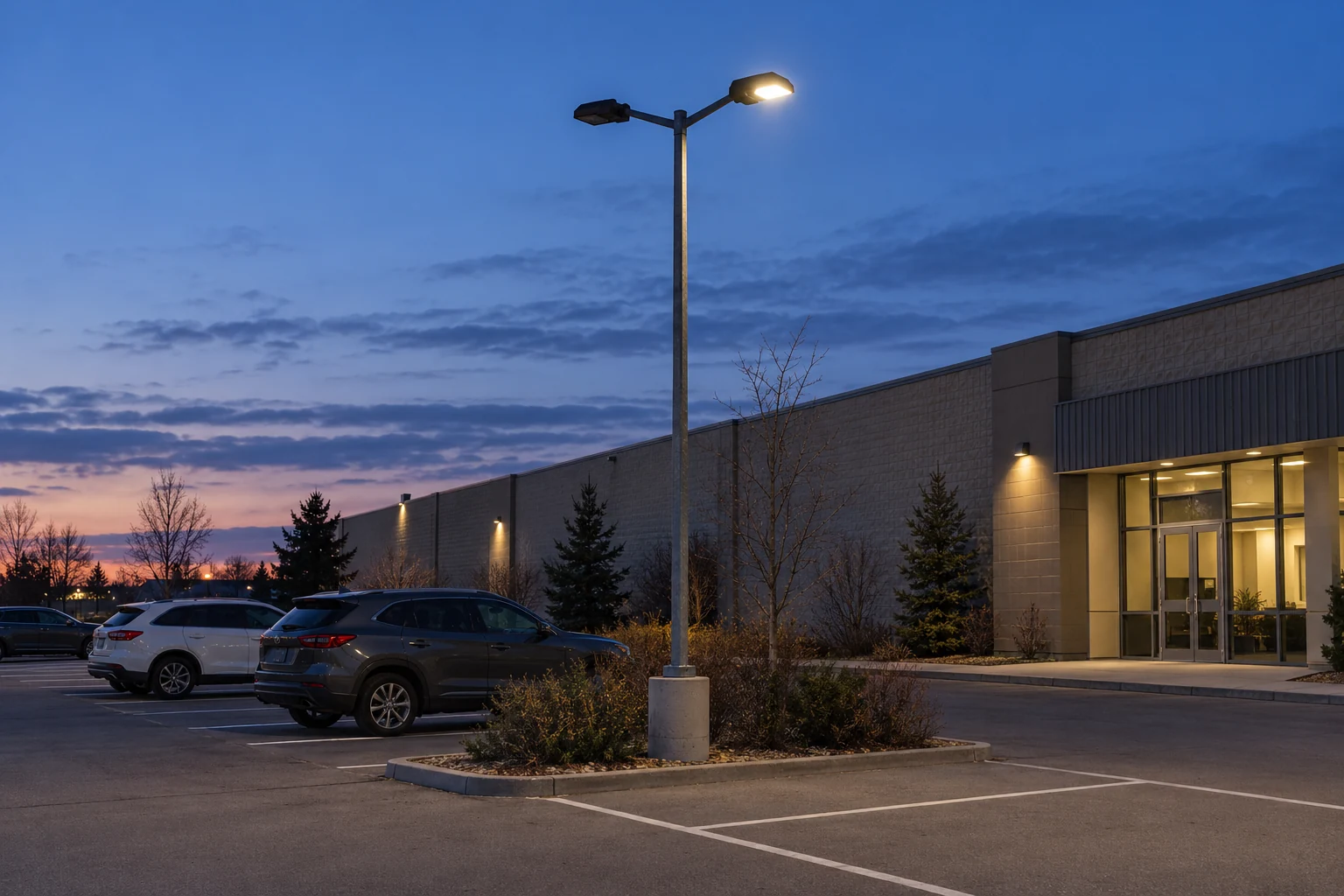
Create a location reference for each affected fitting.
If poles already have numbers, use those numbers in the report. Where no numbering exists, an annotated site plan or photograph can identify a pole by its relationship to an entrance, driveway or parking row. Note which head is affected if a pole supports more than one luminaire. Descriptions such as the light at the back can become ambiguous when several people view the property from different directions.
Record the visible extent of the issue. One failed head differs from both heads on a pole being dark, and both differ from several poles in a row. Include neighbouring fittings that appear to operate normally when that helps explain the pattern. Do not conclude that a group shares a circuit or control merely because the fixtures are close together.
Begin with commercial lighting repair. The parking lot lighting service addresses the lot equipment and wider distribution decisions, while commercial exterior lighting includes adjoining property areas. Distinguish the specific outage from any separate request to improve the lot, add equipment or change the illuminated area.
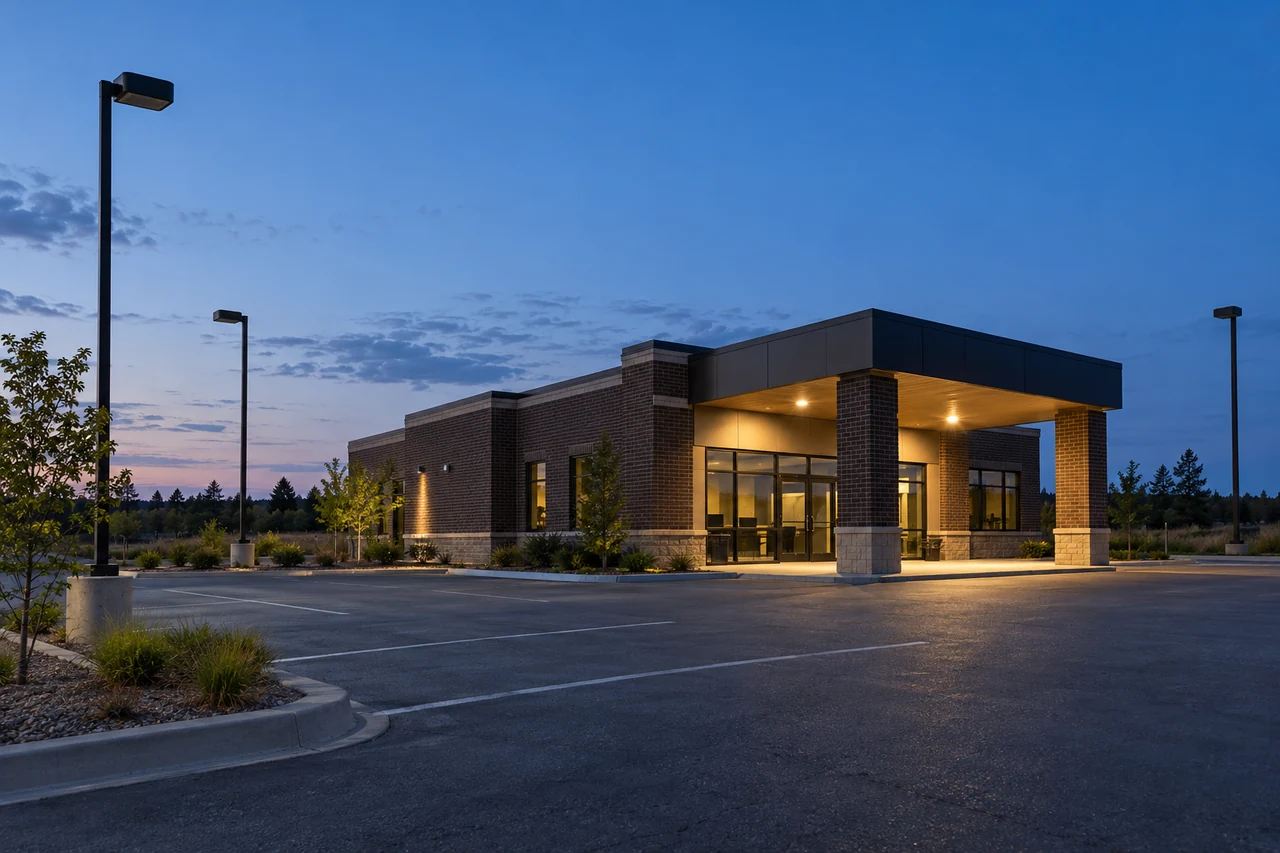
Record dusk, night and daylight observations separately.
A parking light may be intended to follow daylight, a schedule or a combined arrangement. Write down the date and approximate time of the observation, whether it was light or dark outside and whether other site lights were operating. A report made shortly before dusk does not establish the same condition as one made several hours after dark.
If the lights work on some occasions, preserve that detail. Include representative times when they were working and when they were not. Where the site has changed opening hours or delivery activity, describe the new use separately from any observed malfunction. The intended schedule may need review even if the equipment operates according to an older arrangement.
Photocells and exterior lighting controls considers daylight-related operation, and lighting timers and scheduling addresses time-based arrangements. Existing schedules and service records are useful if available. Do not cover a photocell, bypass controls, open equipment or alter settings to create a test. A factual timing record allows the appropriate professional to choose the investigation.
Describe the routes and activity around the dark area.
Identify nearby pedestrian approaches, vehicle circulation, loading movements and occupied entrances. This helps explain the importance of the reported location and the conditions for service access. It does not mean that lighting alone guarantees security or resolves every risk associated with a property. Keep the description tied to the areas people use and the visibility concern they have reported.
For retail and shopping plaza properties, separate shared lot lighting from tenant frontage or signage equipment. For automotive and showroom properties, note whether displayed or stored vehicles occupy the area below the affected fittings. Commercial landlords and tenant properties may require agreement about responsibility and an authorized property contact before work can be arranged.
In warehouse and distribution sites and logistics facilities, the lot may overlap with transport routes or dock approaches. State which operating periods matter and where vehicles queue or move. Do not enter an active transport area simply to photograph a pole. Existing property records and observations made from permitted routes can describe the access constraints.
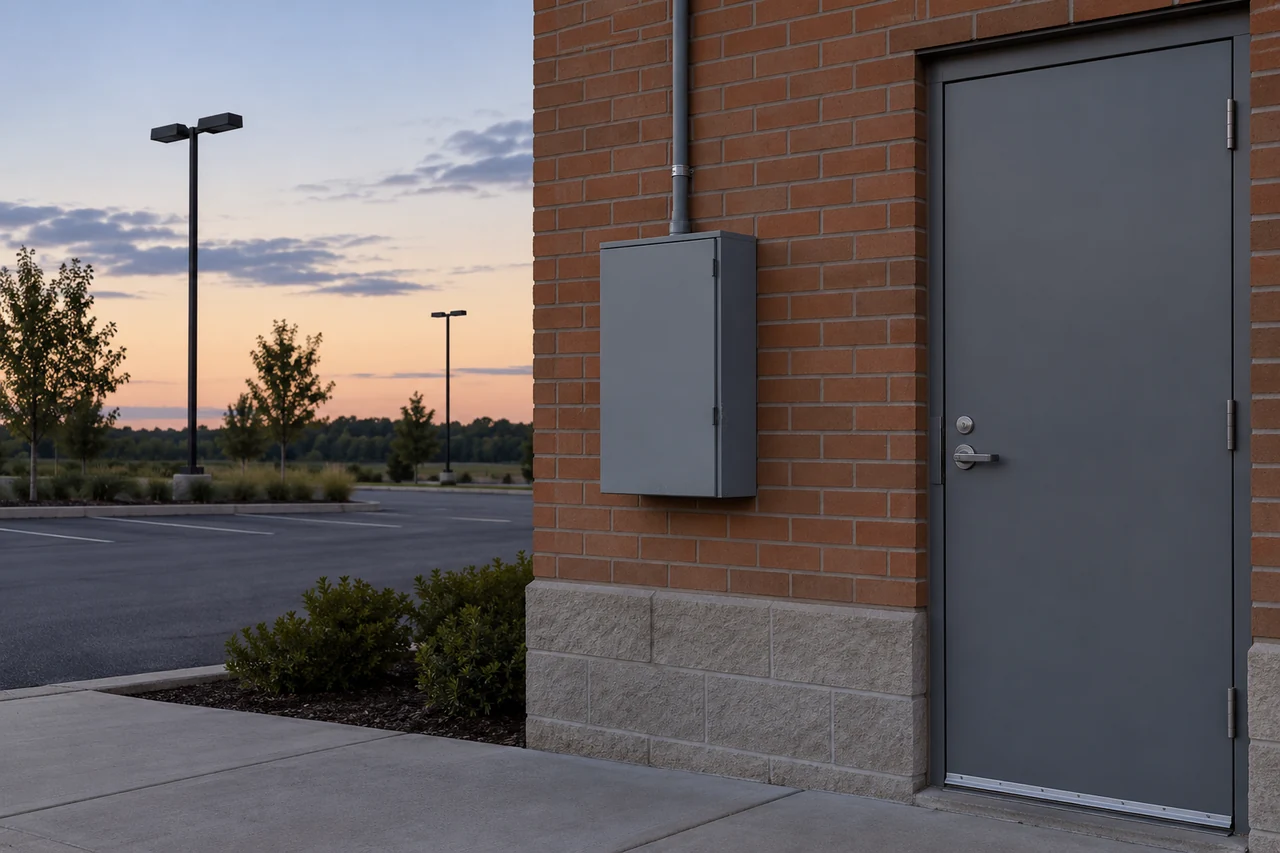
Keep equipment condition and control behaviour distinct.
Ground-level views may show a visibly damaged housing, a different fixture model or a fitting mounted at an unusual angle. Describe the visible condition without treating it as the electrical diagnosis. A fixture can be dark for reasons that are not visible from below. Similarly, a group of dark lights can involve a control issue without proving that every fixture is defective.
Where building-mounted lights are also affected, identify them separately. Wall pack lighting addresses those fittings and their relationship with the building. The parking repair request should state whether the wall packs share the reported timing pattern or have a different symptom. This can prevent unrelated equipment from being grouped into an assumed whole-site outage.
Keep supply, fixture, driver and controls questions for the appropriate electrical professional. Existing product records and prior repair notes are useful; climbing a pole or opening a luminaire is not part of preparing an enquiry. The ESA guidance for property owners explains obligations around electrical work. Hiring and notification requirements must be considered for the actual work proposed.
Plan access around the occupied property.
Include any known pole heights or retained equipment schedule, clearly labelling estimates. Describe parking beneath the fitting, overhead restrictions and routes that must remain available. The service provider determines suitable equipment and working arrangements. The property's role is to identify the operating conditions and the contact who can arrange the work area.
A parking lot can be relatively quiet at one time and heavily occupied at another. State the site's customer hours, deliveries, staff movements or other relevant activity as planning information. Do not assume that work can happen after hours, that the site can be closed or that all vehicles can be moved. Any proposed window needs discussion and agreement before it becomes a commitment.
For property managers and multi-site portfolios, provide a separate location and authorization record for each property. For professionally managed condominium properties, the enquiry should concern common parking and exterior areas, with the responsible management contact identified. Make any immediate operational concern clear; if a condition appears dangerous, use the property's established emergency arrangements and keep people clear.
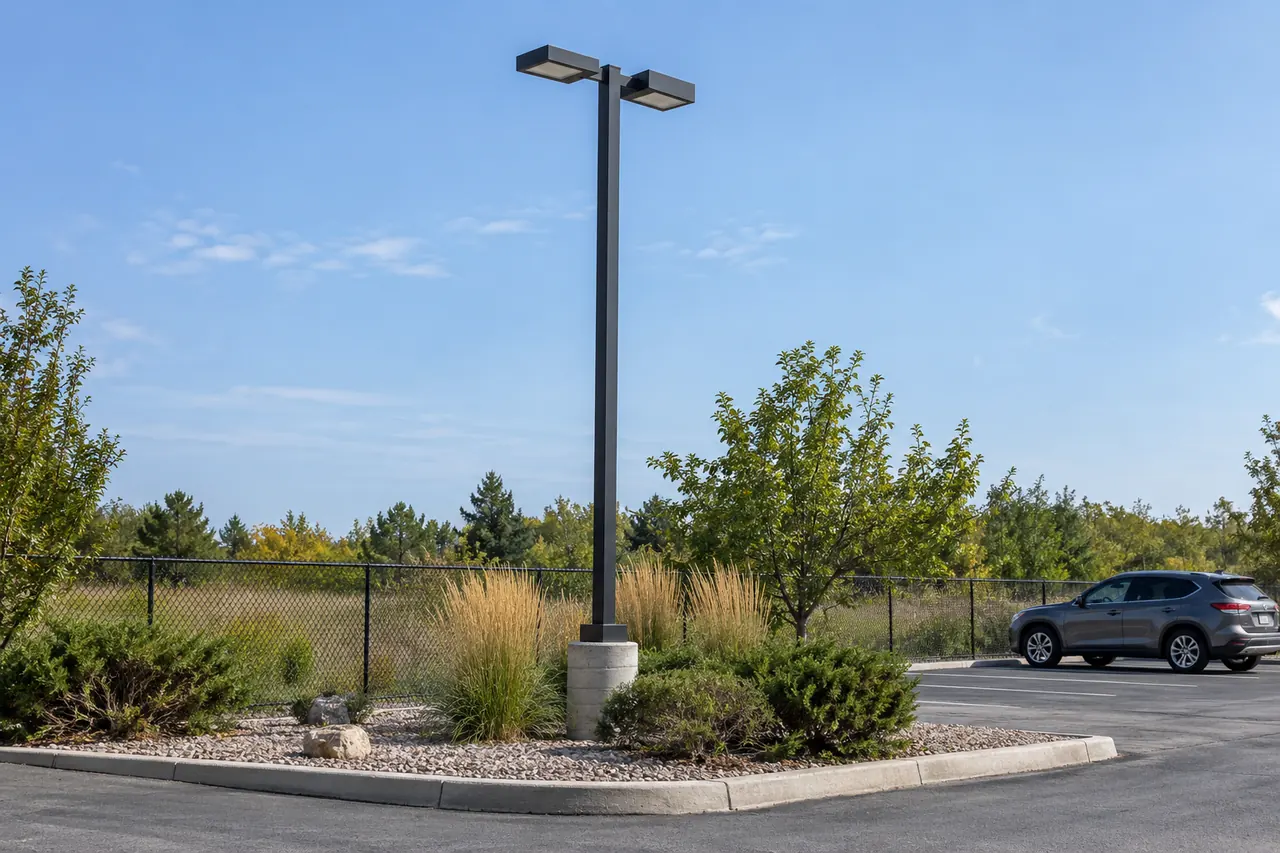
Compare a narrow repair with a replacement discussion.
The first decision concerns the reported failure. A repair may address an isolated component or fitting, while repeated failures can lead to a replacement comparison. The age of equipment, available records, parts compatibility and the actual condition need review. The number of dark fixtures alone does not determine whether repair or replacement is the better scope.
The parking lot repair versus LED replacement article explains how to compare those choices. Commercial lighting maintenance can help organize recurring reports and retain a useful fixture record. If replacement is considered, discuss distribution, glare, mounting and intended operation alongside energy use. A new fixture should not be selected on wattage or appearance alone.
Keep a broader improvement request distinct from restoring operation. Adding poles, changing the illuminated area or making development-related changes may introduce planning and documentation questions. The Milton exterior lighting and photometric planning guide explains that wider context. Routine service and development submissions have different scopes; a failed fixture does not automatically require a complete photometric submission.
Send a report that separates facts from missing information.
A concise service brief can identify the property, affected poles or heads, times observed, normal operating expectation and access contact. Attach a marked plan or a few relevant photographs. Add any prior service findings that the property is entitled to share, and state what remains unknown. Missing model numbers should not be replaced by guesses drawn from a similar fitting online.
After service, retain the locations covered and equipment changed so a later report can reference the same pole. If a separate glare or uneven-distribution complaint remains, record it as a follow-up question rather than assuming the outage repair included a full redesign. Clear records help the property distinguish completed work from proposed future work.
The Resources hub includes other commercial lighting symptoms, and the commercial lighting blog develops planning and maintenance decisions. Request lighting service with the outage record and practical site information first. That supports a focused investigation without promising a diagnosis, booking window or universal result before the property has been reviewed.
Use consistent references across photographs and work records.
A pole reference should stay consistent in the enquiry, site plan and later service record. If a property has no existing numbering, use a clear temporary label tied to the marked plan rather than renaming the same location in each message. Identify fixture heads separately where a pole supports more than one, and note which direction each serves.
Take account of changing parking occupancy when describing the work area. A photograph made during an empty period may not show the access conditions during customer hours or a delivery shift. Add that context in words, including the party who can arrange the area below the fitting. The access method itself remains a decision for the actual service scope.
After work, keep the record of locations covered and any changes to the equipment or intended operation. If a neighbouring area is still reported as unevenly lit, identify it as a separate distribution question. This prevents an outage repair from being treated as a promise to redesign the whole lot or certify every route on the property.
Lighting service
Describe the affected lighting.
Share the affected locations, when the problem occurs and the access information available to the property contact.