
Commercial & industrial lighting · Milton
Lighting for Manufacturing & Industrial Facilities in Milton
Manufacturing lighting decisions begin with the production task and the conditions around it. General floor activity, inspection and fixed workstations can require different attention within the same plant.
Operations, maintenance and property contacts need a shared brief that identifies visibility concerns, equipment history and available shutdown windows. The service scope can then follow the production priorities rather than a generic industrial fixture specification.
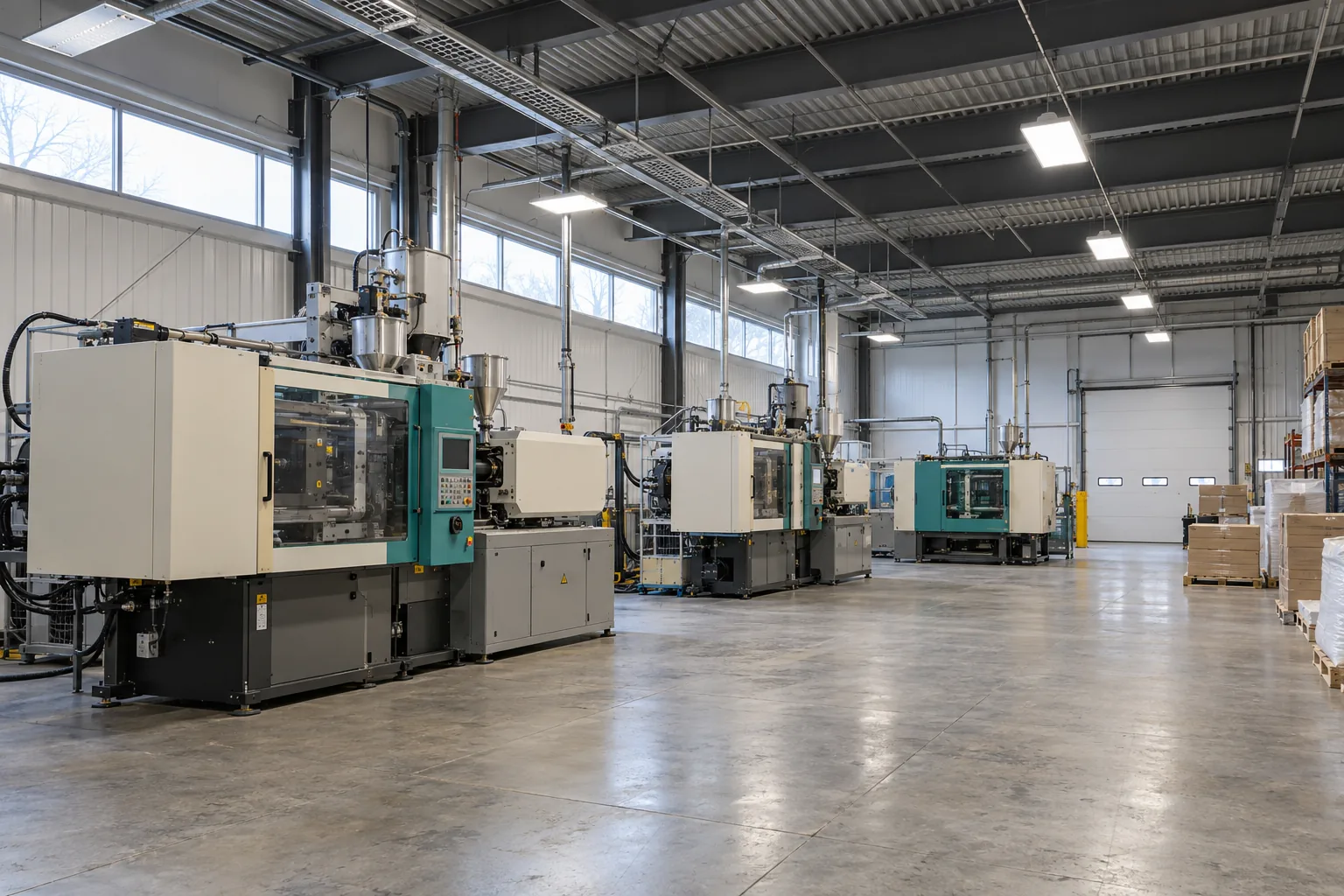
Identify the production decision behind the enquiry.
A plant enquiry can be triggered by a changed machine, repeated equipment faults or difficulty seeing a specific task. Those triggers lead to different decisions. Ask the relevant supervisor to identify the activity, position and operating conditions behind the concern, then connect it to the maintenance and property information.
The record should distinguish a work-area issue from a whole-building capital objective. A local inspection task may need a focused professional review, while a changed production line can alter distribution and access across a larger zone. Keep the trigger visible so the owner can compare appropriate scopes rather than approve a broad replacement on an undefined industrial-lighting complaint.
| Trigger | Operational evidence | Decision path |
|---|---|---|
| Inspection difficulty | Task, surface and viewing position. | Task-specific review. |
| Machine relocation | New layout and obstructions. | Work-zone lighting scope. |
| Recurring faults | Locations and professional findings. | Service or replacement comparison. |
| Capital plan | Future production and shutdown dates. | Phased facility project. |
Follow the production task through its working positions.
Observe where people look during the task, using ordinary safe positions and the facility’s own procedures. A workstation may involve a surface, a vertical control panel and a material handoff. The lighting concern should name the difficult view rather than assume more general output is the answer.
Tasks can also change across a shift. Setup, operation, cleaning and inspection may occur at the same machine with different viewing needs. Record which activity prompted the enquiry and whether the surrounding equipment or stored materials change. The production brief gives the professional review a basis for evaluating general and local lighting roles.
Manufacturing facility lighting develops the production-focused service scope. Industrial task lighting addresses defined work positions that need attention beyond the general system. The CCOHS lighting guidance distinguishes general and task lighting roles. Apply that distinction to the actual operation without promising productivity, health or quality outcomes from a lighting change alone.
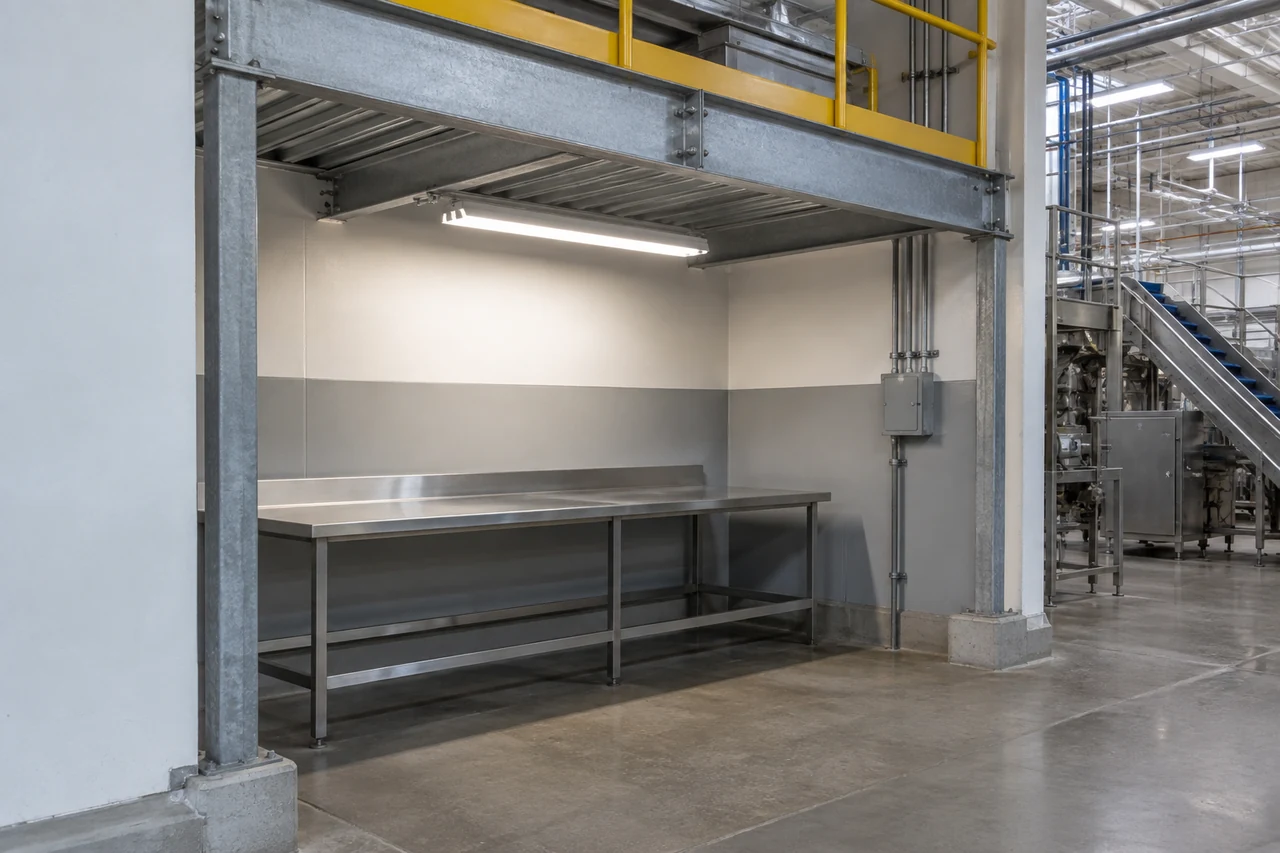
Environmental conditions belong in the equipment decision.
Dust, moisture, cleaning processes, heat and nearby industrial activity can influence the equipment application. Obtain the facility’s description of the environment and any relevant process information. Avoid treating the word industrial as a product rating or assuming every plant area has the same conditions.
Separate ordinary commercial areas from specialised environments. If a process or location may have particular requirements, identify it explicitly for the appropriate professional review. A general lighting enquiry should not declare equipment suitable for a hazardous or specialised application without the necessary scope and evidence.
Industrial lighting addresses the wider industrial environment and equipment considerations. Product information and recognised approval must be reviewed for the selected application. Existing drawings, equipment schedules and facility records are useful inputs. Staff should not open fixtures or investigate electrical components to collect information; unknown equipment details can be resolved through the agreed professional service process.
Machinery changes can alter the lighting relationship.
A new production line, taller machine or relocated enclosure can block distribution that previously reached a workstation. The fixtures may still function while the working conditions have changed. Compare the current and intended layout before deciding that the issue is equipment failure.
Provide the planned machine footprint, ordinary operator positions and overhead obstructions. Include material routes and any maintenance access required around the machine. Lighting work needs to be coordinated with those physical conditions, not added after the layout is committed with no opportunity to review mounting or control boundaries.
High-bay LED lighting considers fixtures at mounting height, but the production layout determines how their distribution relates to the work below. A high-roof plant can also contain lower work areas, enclosed stations and local inspection positions. The owner should see which zones a proposal addresses and where a different approach or specialist review is needed, rather than receiving one specification justified only by ceiling height.

Shutdown windows involve several trades and operating roles.
A production shutdown may offer access, but it can also be the busiest maintenance period. Lighting work may compete with machinery service, cleaning, material movement or other alterations. Identify the work areas, planned activities and contact responsible for coordinating the window. An available date alone does not establish that every fixture position will be accessible.
Record isolation and access requirements through the facility’s normal professional process. The electrical work plan must be appropriate to the actual scope, while operations controls production and movement constraints. Do not ask staff to create access by climbing machinery or improvising equipment. Existing records and ground-level views can support the first discussion.
Phasing should account for work-zone boundaries and the effect on adjoining production. A local area may be accessible during an ordinary pause, while a broader change requires a coordinated shutdown. The proposal should make those assumptions explicit so ownership can compare the operational implications of repair, staged replacement and a larger project.
Condition records help separate faults from task concerns.
Obtain maintenance history for the affected locations. A record of professional findings, replaced components and recurring failures helps establish the equipment question. Keep it separate from staff reports about glare, shadows or difficult inspection. A system can have both a service issue and a layout concern, with neither fully explained by the other.
Commercial lighting maintenance connects equipment records to planned service. For a capital decision, add future production changes and available access. The owner can then compare immediate repair with a broader scope using verified conditions instead of an assumed plant-wide savings or failure pattern.
Visible flicker around moving equipment deserves an appropriate professional review and the facility’s normal reporting process. Do not diagnose it from a phone video or prescribe informal electrical testing. Record the location, activity and observed pattern. The review should consider the installed equipment and manufacturer information, with any specialist measurement or additional investigation defined as a deliverable where needed.
Choose review criteria that production can use.
A manufacturing project should return to the original task and conditions. If the enquiry concerned a shadow at a work position, the review should identify that position. If it concerned inconsistent operation across a line, the agreed sequence should be observed with representative activity. New fixtures alone do not show that the production concern has been addressed.
The CCOHS survey guidance distinguishes insufficient light, glare, contrast, distribution and flicker. Those categories help the team describe an issue independently. Detailed illumination or design requirements should be established for the actual task by the appropriate professional scope, rather than borrowed as a universal legal value for every industrial plant.
Retain the location and equipment record after work. Identify who receives operating feedback and who can authorise changes. A later machinery alteration should trigger comparison with the original scope. This preserves the reason for the lighting decision and helps maintenance distinguish changed production conditions from deterioration or faults in the installed system.
Prepare a manufacturing brief around the next decision.
The brief should allow the production, maintenance and capital contacts to review the same priorities. It does not need to contain a complete fixture specification. It needs enough operational evidence to identify the service or project questions and the constraints that will shape the professional scope.
Use the facility profiles to include adjoining storage, office or mixed-unit areas whose work differs from the production floor.
Name the task and trigger.
Record the activity, viewing position and reported concern. Identify whether the trigger is an equipment fault, a changed production layout or a capital objective. Include representative shift and process conditions.
Collect records and constraints.
Provide maintenance findings, available product information, environmental descriptions and planned machinery changes. Identify shutdown coordination and access limits. Mark unknown installation details for professional review instead of guessing.
Agree scope and review.
Separate local service, general lighting and task-specific decisions. Define the affected areas and desired operational result. Identify any measurement, specialist design or documentation required, then preserve the completed record for later production changes.
Facility planning questions.
Should inspection areas use the same lighting as the general floor?
The actual inspection task and surroundings need review. A consistent fixture family may be useful, but it does not establish that one distribution or output suits every position. Identify the object, surface and viewing direction involved. General and task-lighting decisions should then be compared within a defined professional scope.
What should operations provide before a shutdown project?
Share the affected areas, planned production and maintenance activity, access constraints and coordinating contact. Include machinery changes and material routes. A shutdown date is only one input; the work plan must be confirmed for the actual equipment and available positions. Keep competing activities visible before the lighting scope is scheduled.
Does moving a machine mean all lighting must be replaced?
Not automatically. The changed layout may affect distribution, controls or access in specific areas. Compare the previous and intended arrangement, including operator positions. A focused adjustment or wider project can then be evaluated on evidence. A functioning fixture can become less useful without having failed.
How should a plant report flicker near moving equipment?
Use the facility’s normal reporting process and provide the location, task and observed pattern for professional review. Existing equipment records are useful. Do not infer a cause from one video or undertake informal electrical tests. The appropriate investigation should consider the installed system and any required specialist scope.
Ready to plan?
Bring the facility decisions into one scope.
Share the affected production tasks, machinery layout, environment and planned shutdown windows. Include maintenance records and capital timing so operations and ownership can compare a scope grounded in the plant’s work.