
Commercial lighting resources · Milton
Commercial Lights Flickering: What to Record Before Service
Flickering commercial lights can mean several different things: a visible pulse, brief interruptions, unstable dimming or a fitting that repeatedly turns off and returns. A useful service enquiry describes what someone actually sees instead of assuming that every symptom has the same cause.
Start with the affected locations and the time the behaviour occurs. An isolated desk-area fitting, a row of warehouse high bays and exterior lights around an entrance call for different access and operating information. Recording those differences helps keep the initial service scope focused.
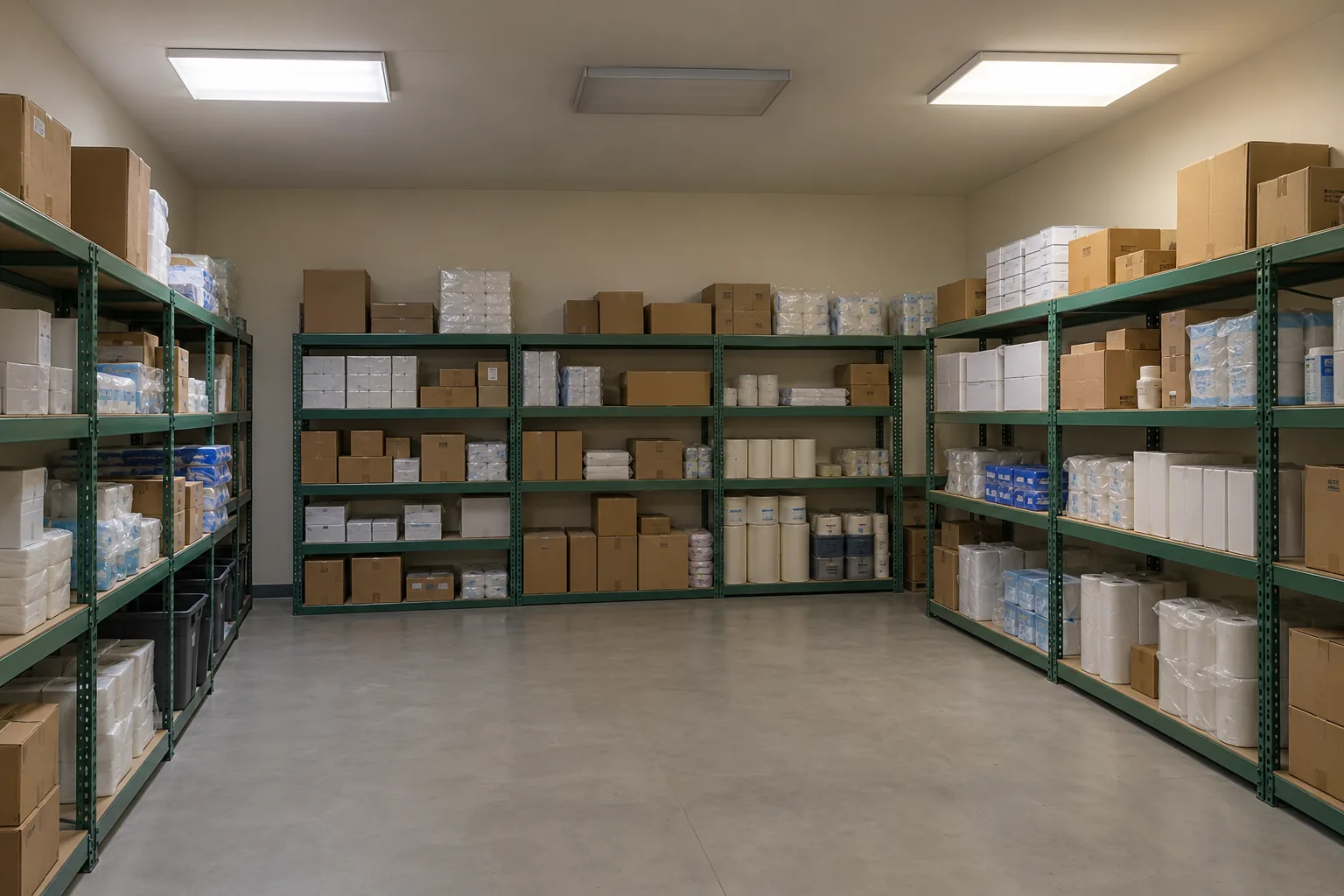
Name the behaviour before naming a component.
A steady rhythmic pulse differs from a sudden loss of light. Another complaint may concern several fittings that brighten and dim together, or a light that works at the start of a shift and becomes intermittent later. Use plain descriptions such as repeated flashing, brief darkness or output changing while occupied. If different people use the word flicker for different conditions, keep their observations separate until the affected areas have been identified.
Also distinguish the light source from its surroundings. Moving machinery, reflections and changes in daylight can affect the impression of a space without establishing a fixture fault. Ask where the observer was standing and what task they were doing. A symptom at a computer screen may be noticed differently from one beneath a high bay. Do not dismiss a complaint because it is difficult to capture in a still photograph.
The CCOHS information on lighting flicker provides workplace context. It supports taking complaints seriously, but a general explanation cannot identify the installed equipment or its fault. The appropriate first service route is commercial lighting repair; a wider equipment or layout decision can follow if the investigation reveals a separate need.
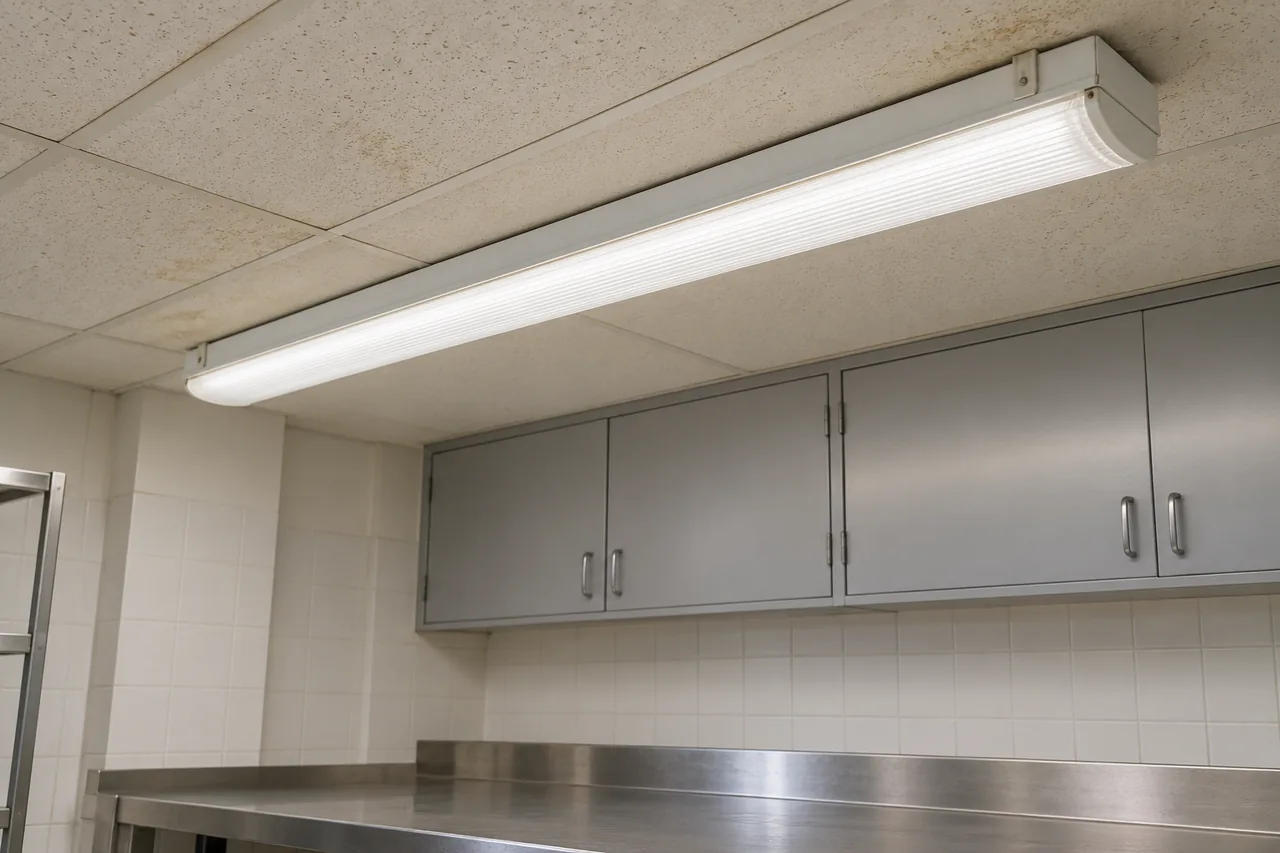
Build a timing record that a second person can understand.
Write down when the behaviour was observed, whether it was continuous and how long the observation lasted. Note the normal operating period: the first occupied hour, a late shift, dusk or a cleaning period. Where the pattern varies, record a few representative occurrences rather than guessing a frequency from memory. An accurate account of an intermittent condition is more useful than stating that it happens all the time when it does not.
Mention relevant events already known to the facility contact. Examples include a recently installed fixture, a changed occupancy schedule, a tenant fit-out or a controls project. State the sequence without asserting causation: the symptom was first reported after the change, or both occurred during the same week. A professional can then decide which information needs checking. The observer should not reproduce a failure by manipulating electrical equipment.
For a controlled area, compare the complaint with intended operation. Does it appear when occupants enter, during a scheduled reduction or while a permitted user operates the normal wall control? Do not bypass a sensor, change concealed settings or open a control enclosure to obtain evidence. Existing schedules and records can be supplied as they are, with uncertainty about the current configuration clearly noted.
Separate a single fitting from a shared pattern.
Identify whether one luminaire behaves differently from neighbouring luminaires. A short location reference can be enough: north meeting room, third fixture above aisle B, or wall pack beside the receiving entrance. If several fittings change together, identify the apparent group and whether other areas remain normal. That relationship helps frame the enquiry without proving whether the underlying issue is a fixture, control or electrical supply condition.
In warehouses and distribution centres, record the aisle and rack section so access can be discussed around real stock locations. In logistics facilities, add the shipping window and whether the symptom is reported at a dock, staging area or internal working zone. High fixtures belong in the high-bay lighting discussion, including their known mounting positions and any existing equipment records.
For manufacturing and industrial properties, describe the activity affected and the machinery or process that limits access. In industrial condos and small-bay units, distinguish the tenant work area from shared building space. Those distinctions identify the people who can supply information and authorize access; they are not instructions for the observer to investigate a circuit.
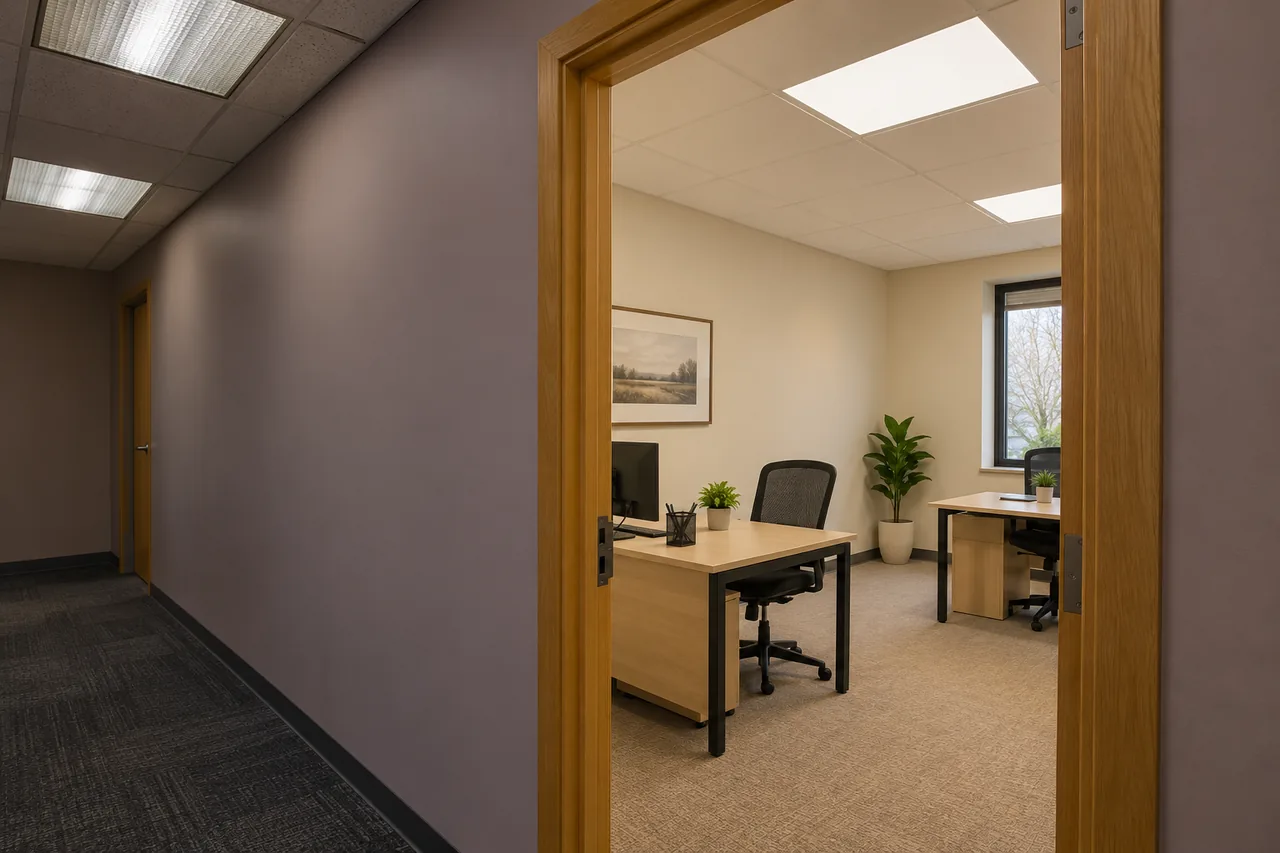
Keep possible causes as questions.
Fixture and driver condition, older ballast-based equipment, dimming compatibility and control behaviour are possible investigation categories. A supply-related condition is another category for the appropriate electrical professional to consider. A symptom alone does not establish which category applies. Replacing a lamp or an entire fixture before the scope is understood can leave an unrelated issue unresolved or introduce a new compatibility question.
Where unstable output follows dimming, include the existing dimmer or control description if it is available in ordinary records. Dimming and zoning deals with the relationship between equipment and intended operation. Commercial lighting controls covers the broader arrangement, while occupancy and vacancy sensors focuses on automatic responses to use. Link a reported pattern to those scopes without assuming that a controls upgrade is required.
An exterior fitting can introduce a different operating context. Photocells and exterior lighting controls addresses daylight-related operation, while wall pack lighting considers the installed exterior fixture and its surroundings. Record when the behaviour occurs and which exterior locations are involved. Do not cover a photocell, defeat a control or enter a restricted service area to test a theory.
Collect observations from the places people normally use.
A location photograph can show the fixture position and surrounding work area. A wider view often explains more about access than a close view of a bright light source. Take photographs only from ordinary accessible positions, with permission where needed. Do not climb racking, use a ladder, remove a lens or open a fitting to obtain a model number. Drawings, invoices and retained product information are better sources for unavailable equipment details.
A brief video may help communicate a reported pattern, but cameras can make artificial lighting appear different from what a person sees. Explain whether the effect was visible directly, whether it appears only in the recording and what conditions were present. Treat the recording as supporting information rather than a diagnosis. There is no need to collect prolonged footage, employee images or business information unrelated to the lighting enquiry.
In offices and business parks, note the workstation, screen reflections and occupied hours alongside any fixture complaint. Office lighting can address wider workplace conditions if needed. For retail and plaza properties and automotive showrooms, identify whether the issue affects customer-facing presentation, a back-of-house task or an external area. Each calls for a different coordination discussion.
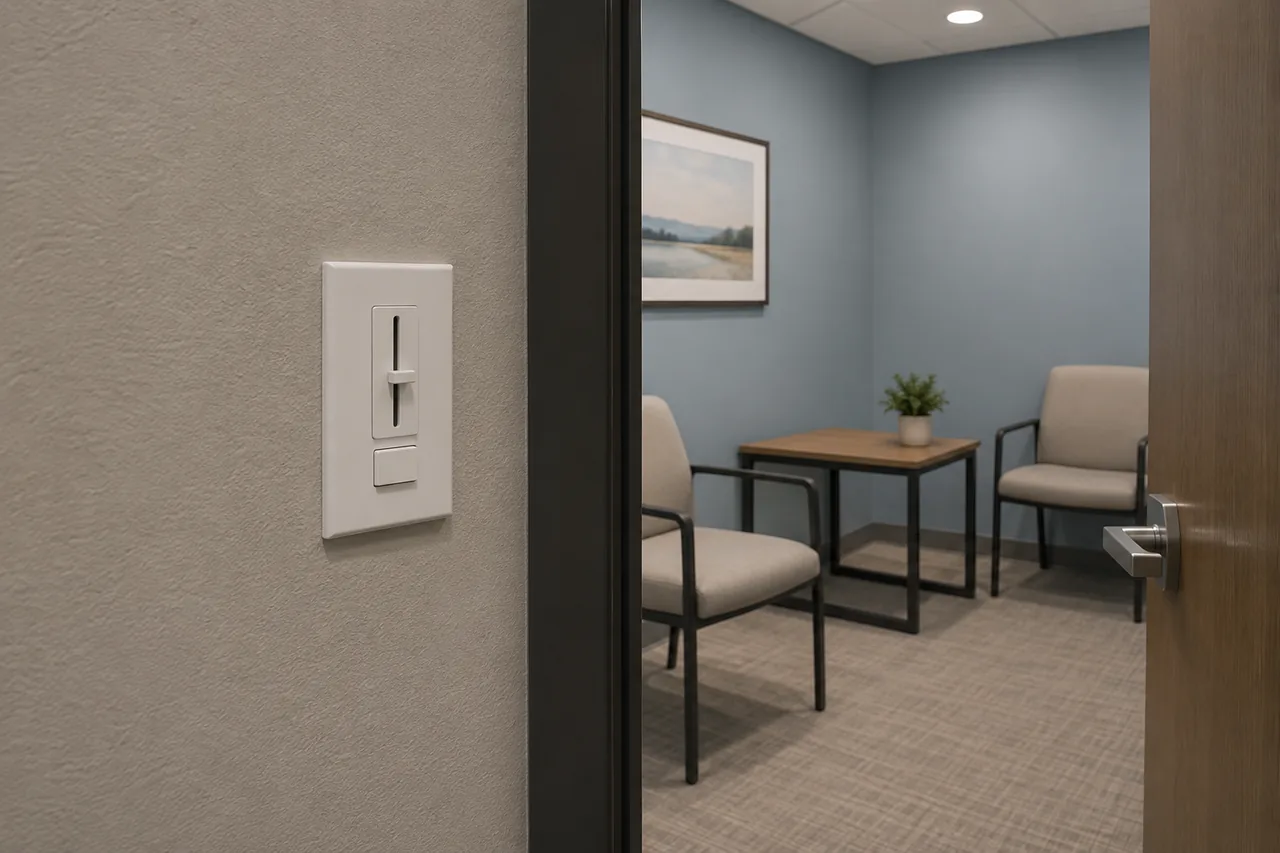
Explain who controls the area and how service access works.
The person reporting flicker may not be the person authorized to arrange electrical work. Include the property contact, tenant or facility manager responsible for the affected area. If common property and tenant equipment are involved, distinguish their locations and ownership information where known. A shared service enquiry should not silently assume that every fitting belongs to the same party.
For property managers and multi-site portfolios, keep a separate location record for each property and identify the approving contact. For professionally managed condominium properties, describe common corridors, entrances or parking areas rather than private residential interiors. commercial landlords and tenant properties may need an agreed access window and a clear division between the tenant request and building responsibility.
Access information can include occupied desks, stored stock, delivery movements and restricted working periods. Known fixture heights may be useful, but estimates should be labelled as estimates. The service provider determines suitable access arrangements and electrical investigation. If a condition presents an immediate danger, keep people clear and use the property's established emergency arrangements instead of waiting for a routine online response.
Use the findings to separate repair from future planning.
The first question is what is needed to address the reported condition. A targeted repair may be appropriate, while recurring faults or incompatible equipment may lead to a replacement discussion. A wider improvement project should be defined separately, with its own objectives and affected areas. It should not be assumed from the mere presence of flicker or added to a narrow repair request without agreement.
Retain the location record after service so future reports can identify the same fitting or group. Commercial lighting maintenance and the property-manager maintenance planning article explain how records support continuing coordination. Useful handover information includes the equipment changed, the locations covered and any operating settings relevant to ordinary users. Ask for clarification if a completed scope leaves an observation unanswered.
Use the Resources hub to compare other symptom guides and the commercial lighting blog for broader planning topics. When requesting lighting service, supply the observed pattern, affected locations and access contact first. That gives the enquiry a practical starting point while leaving the electrical diagnosis and final work scope to the appropriate review.
Distinguish a direct observation from a recorded effect.
When a flicker report includes a video, label the part that was visible to the observer and the part that appears only on the recording. Different phones and exposure settings can show a light source differently. A useful attachment therefore includes the location, time and direct observation rather than presenting a moving band in the image as proof of a particular equipment fault.
If staff report a symptom near moving machinery, identify the normal work position and the concern through the facility's existing reporting process. Do not ask someone to stand in a restricted area or operate equipment to make a recording. The enquiry can explain the activity affected while leaving the appropriate professional and facility contacts to determine how the condition should be reviewed.
After the reported issue has been investigated, compare the findings with the original description. If output is now stable but a reflection or glare complaint remains, preserve that as a separate observation. This helps distinguish the fault addressed from an additional workplace or distribution question, and prevents a later contact from treating every lighting concern at the location as the same recurring failure.
Lighting service
Describe the affected lighting.
Share the affected locations, when the problem occurs and the access information available to the property contact.