
Commercial lighting resources · Milton
Commercial Lights Not Working: Preparing for Lighting Service
A failed commercial light is easier to describe when it has a location, an observed pattern and a clear operating context. The initial question is whether one fitting is out, several fittings are affected or a whole working area has lost its expected light.
Prepare information from normal accessible areas and existing records. You do not need to identify a driver, ballast or circuit to request service. A factual description of the outage can support the next discussion without delaying the enquiry for details that require professional investigation.

Define the extent of the outage.
Start with the smallest location description that another person can find. Use an existing room number, aisle marker, dock reference or property plan. Note how many fittings appear affected and whether nearby fittings are operating. If the count is uncertain, describe the visible area and provide a wide photograph. Do not turn an estimate made from the floor into an exact equipment inventory.
A single failed light over a workbench differs from a row of fixtures that are all dark at the same time. A room that is dark only outside its scheduled use differs again. Record those observations separately, including whether the normal control state is known. The pattern can help define the service enquiry but does not prove that the fittings share a circuit or a particular control.
The first route for a reported failure is commercial lighting repair. High-bay lighting is relevant when the affected fittings are high above an industrial working area. In warehouse and distribution properties, tie the outage to aisles or work zones. In logistics facilities, include the receiving, dispatch or loading activity affected so access and timing can be discussed.
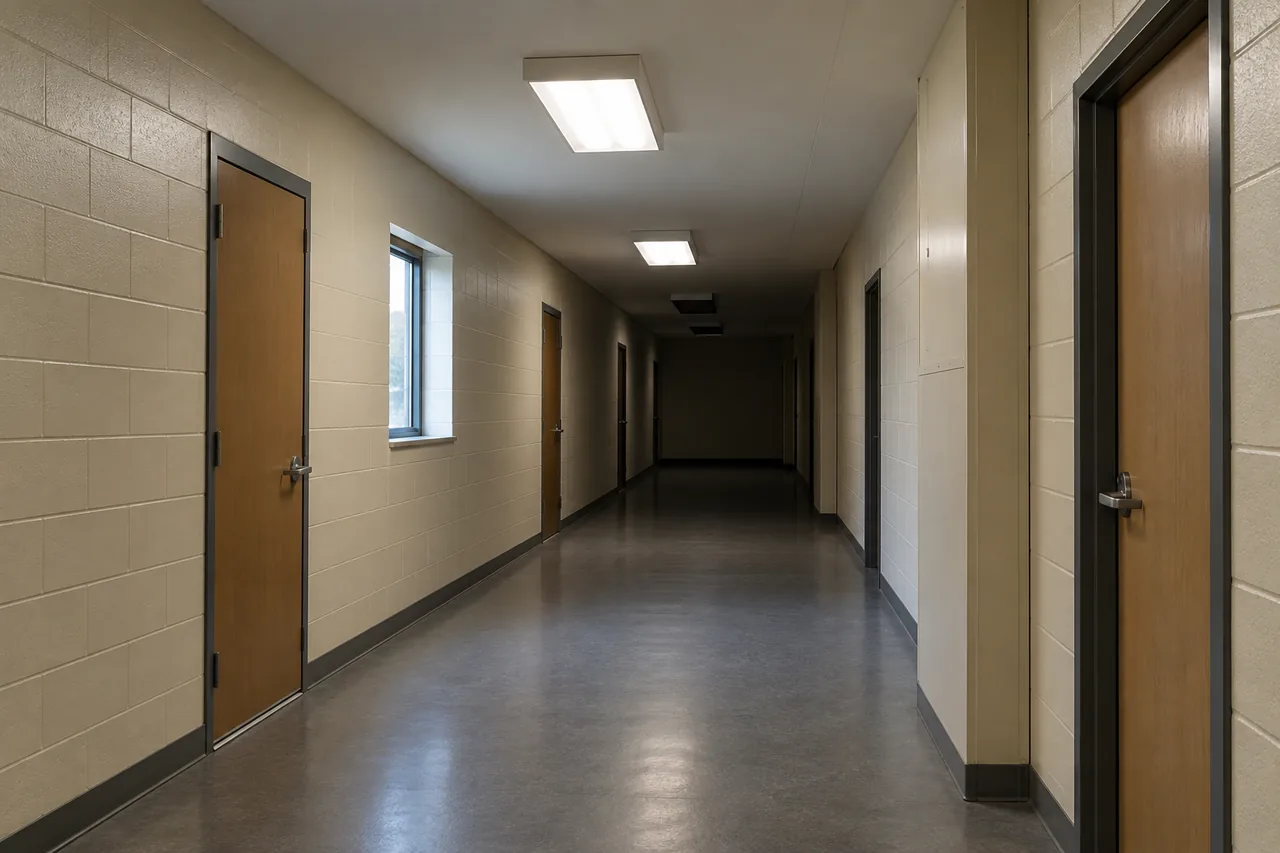
Record what normally happens in that area.
Describe whether the light is expected to remain on, follow an occupancy sensor, operate on a schedule or respond to a normal user control. Include the source of that expectation: a retained schedule, a facility instruction or repeated ordinary use. If no one knows the current arrangement, say so. A dark area may be experiencing a failure, an intentional scheduled reduction or a control response that no longer suits its use.
Separate constant failure from intermittent operation. For a fitting that returns to normal, record when it was dark and when it was next observed working. If several people report different patterns, preserve each location and time rather than merging their accounts into one assumed fault. This gives the investigating professional useful context, especially when the condition is not present during the first visit.
Commercial lighting controls addresses intended operation and the equipment arrangement. It can be relevant without making every outage a controls project. Mention recently changed operating hours, tenant occupancy or documented settings, but do not modify settings or bypass equipment to see whether the light returns. Keep the observer's role to ordinary use and safe reporting.
Keep visible conditions separate from electrical diagnosis.
You may notice a damaged exterior lens, a visibly different fixture, staining nearby or an existing maintenance label. Report what is visible and where it is, without opening the fitting or interpreting it as proof of an electrical cause. Appearance can inform a site review, but a clean-looking fixture can still fail and a visible stain may have several explanations.
Driver or ballast condition, lamp-based equipment, fixture components, controls and circuit-related issues are categories for appropriate investigation. They are not a checklist for the property user to test. The electrical professional decides what work and access are required. A request that says one fitting is consistently dark above the packing table is more defensible than a request that declares its driver defective without supporting service records.
For manufacturing facilities, describe the process affected and any restrictions around machinery. For industrial condominiums and small-bay units, distinguish tenant fittings from shared property equipment. Office and business park properties should identify the room or workstation and the impact on normal use. The office lighting service can address broader room conditions after the immediate failure is understood.
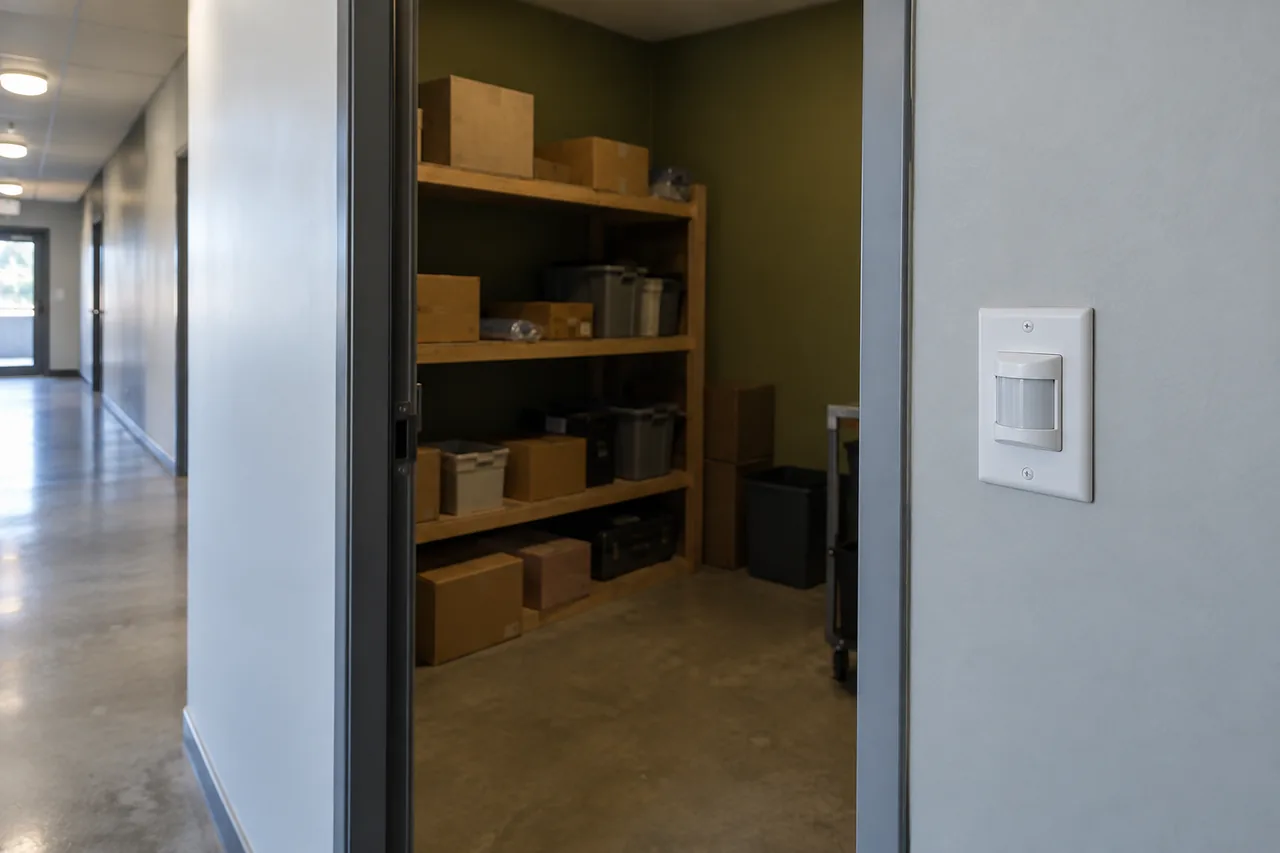
Give exterior outages their own location map.
Parking and building-mounted fixtures often have similar appearances across a site, so location references matter. Existing pole numbers, building elevations or annotated photographs can distinguish the affected fittings. Note whether the report was made after dark, near dusk or during daylight. Do not assume that a fitting should be on at every time simply because it serves an exterior area.
Parking lot lighting covers pole-mounted and lot-area decisions, while commercial exterior lighting considers connected external zones. Wall pack lighting focuses on building-mounted fittings. Include the entrance, loading approach or pedestrian route affected, but avoid claims that restoring one light will guarantee security or eliminate every risk on the property.
In retail stores and shopping plazas, separate shared parking lights from tenant frontage fixtures. In automotive and showroom properties, note vehicle display areas and public approaches that limit access. The same site can require different property contacts and working windows. A map of the affected equipment helps define those responsibilities before a repair request becomes a broader exterior upgrade.
Prepare access information without creating a new hazard.
Known mounting height, floor obstructions and normal site activity help explain the service conditions. Stock, desks, parked vehicles and delivery movements may occupy the area below a failed fitting. Describe those conditions from the floor or existing records. Do not climb to a fixture, enter restricted rooms or use access equipment to obtain a label or measurement for the enquiry.
Identify who can arrange entry and who can approve a work area. For an occupied property, state the hours when affected rooms are used and any periods that could be considered for service. Those periods are information for planning, not a confirmed booking. The final access method, work-zone arrangements and electrical procedure need to be determined for the actual scope.
Property managers and portfolio contacts can provide a location-specific authorization route. Managed condominium properties may need coordination for common corridors, entrances or garages. For landlord and tenant properties, clarify who is reporting the outage and who is responsible for the installation. If the condition appears immediately dangerous, keep people clear and follow the property's established emergency procedure rather than relying on an online service form.
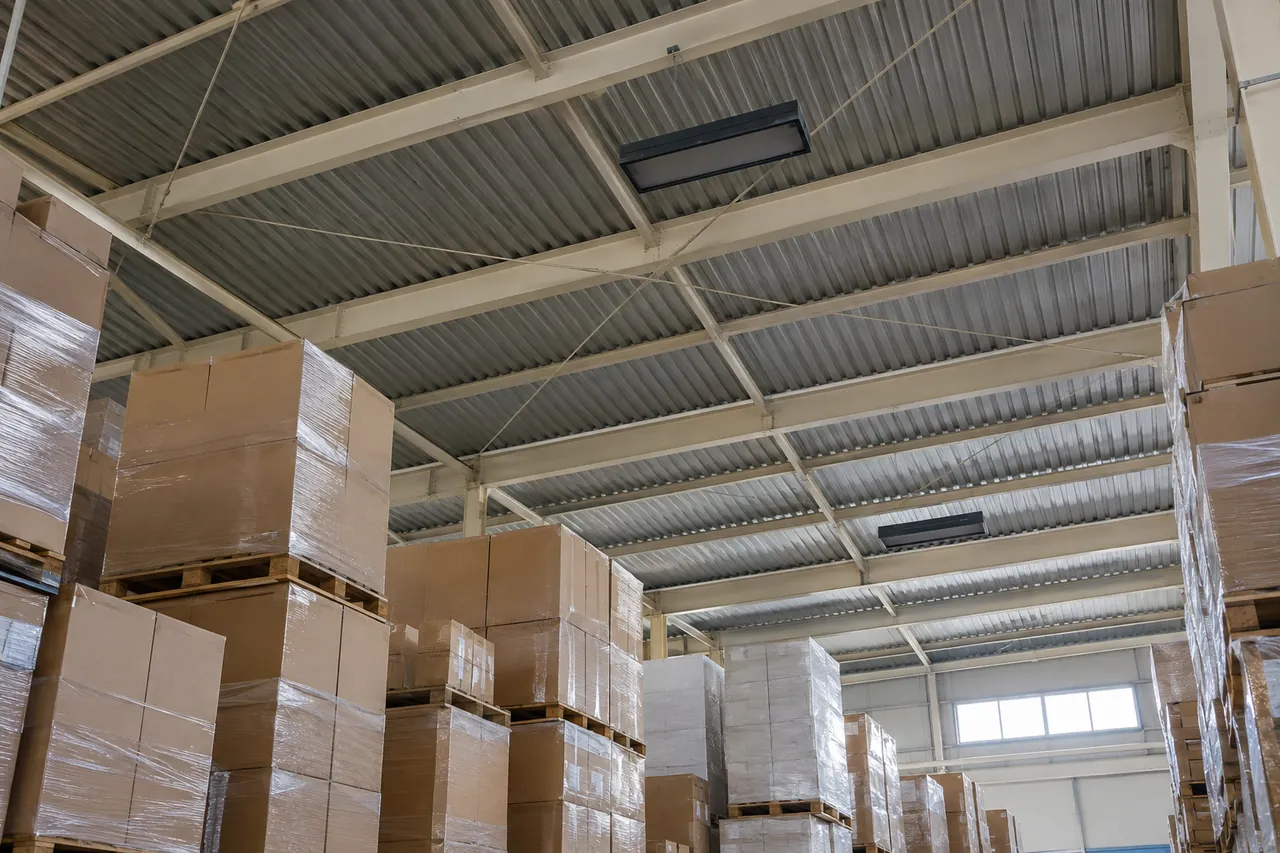
Attach the records that already exist.
Useful attachments include an annotated floor plan, a recent lighting schedule, prior service notes and photographs showing the fixture position. Product information is helpful where it is already available in a maintenance file or invoice. Mark missing or uncertain information clearly. A service enquiry does not require the property contact to dismantle equipment to complete an inventory.
Keep photographs focused on the affected locations and surrounding access conditions. Avoid including personal information, unrelated customer material or confidential production records. When a photograph shows a broad zone, add a short description that identifies the fixture or row concerned. File names alone can become ambiguous when several similar properties are discussed in the same email chain.
A simple outage log should distinguish the original report, subsequent observations and work already authorized. If another provider has recently inspected the equipment, include the relevant findings with permission instead of describing them from memory. This helps reduce conflicting accounts and makes it clear which facts are observed, which are documented and which remain to be investigated.
Choose the next discussion after the failure is understood.
A repair request can remain a narrow repair request. If failures recur, replacement parts are difficult to identify or the equipment no longer suits the use of the space, a later discussion may compare repair with replacement. That comparison should consider the affected equipment and operating needs rather than treating every failed fitting as a reason for a facility-wide LED project.
Commercial lighting maintenance and the maintenance planning guide for property managers can help organize ongoing location records. Retain the scope of completed work, equipment information and any relevant control instructions for future reports. If wider lighting complaints remain after the failed fittings are addressed, record them separately so they can be reviewed as layout, distribution or task issues.
Other guides in Resources distinguish flicker, dark warehouse aisles, parking outages and office complaints. The commercial lighting blog provides longer planning discussions. For the present failure, request lighting service with the affected location, outage pattern and access contact. Clear information supports a focused next step without assuming a diagnosis, price or response time.
Keep a before-and-after location record without assuming the result.
A useful outage record identifies the equipment location before work and the scope reported as completed afterward. It can state which fitting or group was addressed and what product or component information was supplied. Keep any recommendation for later work separate from the completed service entry so a future contact does not assume it was already carried out.
If the fitting is still reported as dark, note the date and observed conditions and refer to the same location reference. If it operates at some times but not others, retain that distinction rather than describing the first visit as a complete failure without context. The appropriate follow-up can then consider the actual observations and the agreed work scope.
For a wider outage, a marked plan can also record which areas remained in normal operation. This can be important when several tenants or departments report at different times. One shared file should preserve those separate reports, the person who supplied each observation and any uncertainty about the affected count. Clear records support the next investigation without requiring the property contact to infer circuit arrangements.
Lighting service
Describe the affected lighting.
Share the affected locations, when the problem occurs and the access information available to the property contact.