
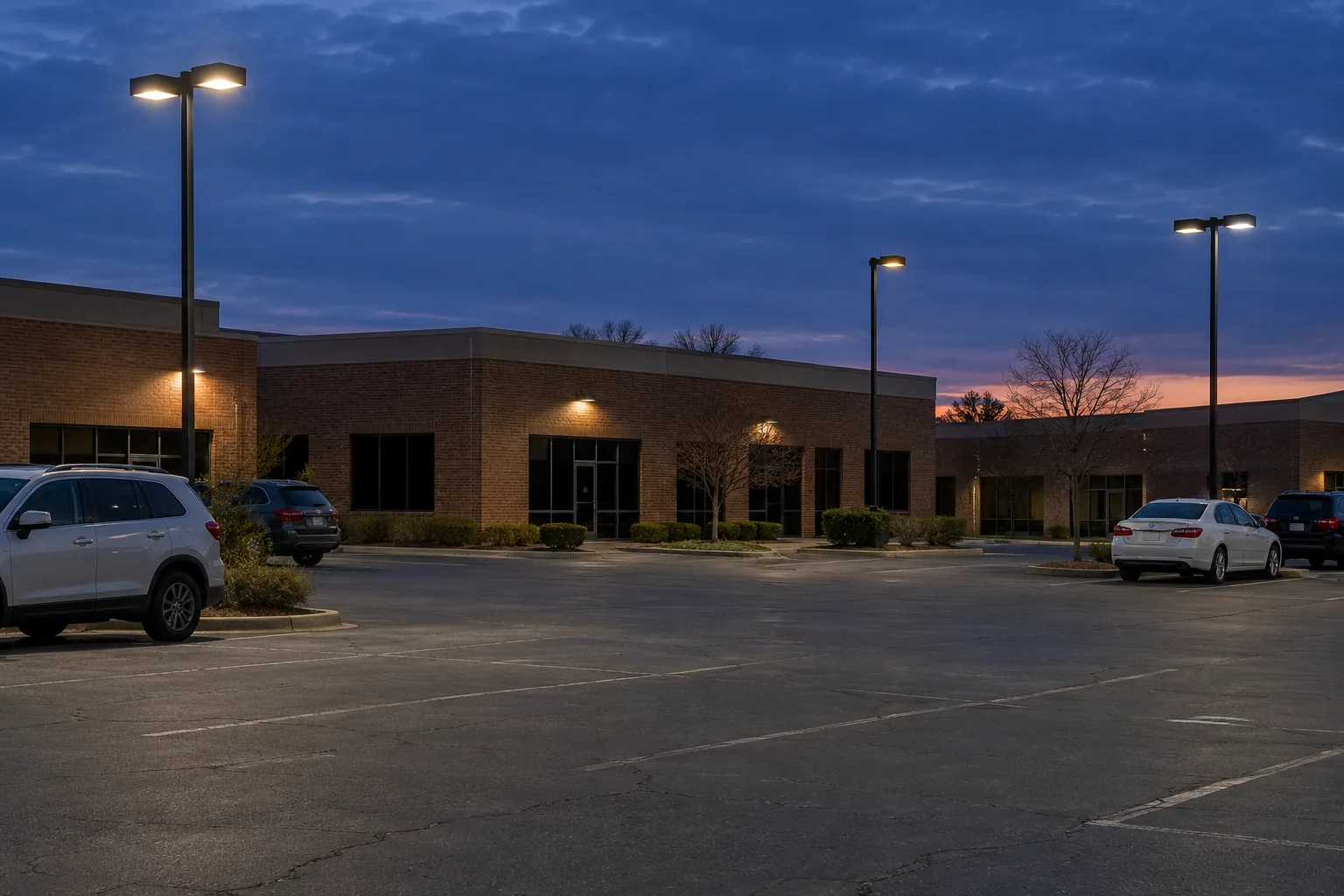
Locate the symptom before naming the solution.
Identify whether the problem affects one head, one pole, a group or the whole site. Record when the condition was observed and whether other lights changed at the same time. Include any known recent work or layout change. These details help frame the enquiry without establishing an electrical diagnosis from the visible pattern alone.
The parking lot lights not working guide helps organise that report. Commercial lighting repair is the appropriate path for an equipment fault, while parking lot lighting considers the arrangement as a whole. If the observed problem is intermittent or shared by a zone, keep the exact behaviour in the service request rather than assuming all affected fittings need replacement.
Take useful photographs from safe ground-level positions and associate them with a location plan. Staff should not open fixtures, climb poles or perform live tests to make the enquiry more complete. Known records are useful; details that cannot be safely confirmed should remain questions for the professional review.
Separate a local fault from a recurring pattern.
A limited fault in otherwise suitable equipment may justify a repair review. Repeated failures, inconsistent equipment and difficult access can create a broader maintenance question. Record the dates, locations, reported symptoms and previous work known from actual property records. Do not fill a gap in the history with an assumed fixture age or cause.
Commercial lighting maintenance considers the continuing condition of the installed system. Ask which parts are retained in a repair proposal and whether the known equipment information supports the suggested work. Product availability, compatibility and condition need confirmation for the particular fitting; a website description cannot establish whether a component repair is viable.
Keep the history factual enough to compare options. “This head was serviced twice in the records supplied” is different from “all these fixtures are unreliable.” A recurring symptom can prompt a wider investigation without proving every fitting has the same fault. Preserve that distinction when discussing grouped work or a future replacement phase.
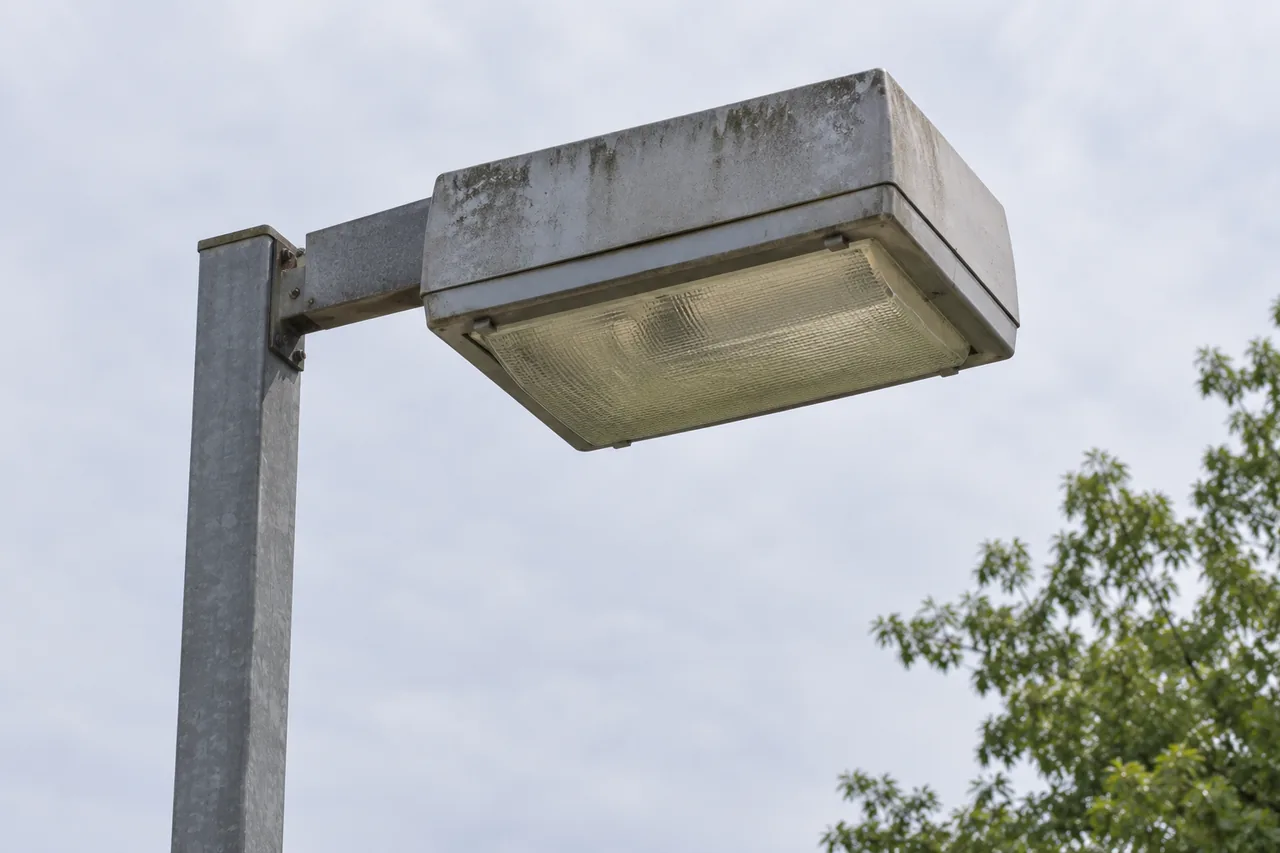
Compare what each proposal actually changes.
A component repair, a like-for-like replacement and an LED upgrade can involve different retained equipment and different intended outcomes. Ask the proposal to state the affected fittings, compatible components, mounting locations, controls and any changes to distribution. The phrase “replace with LED” is not detailed enough to show whether the existing parking arrangement is being retained or redesigned.
Commercial LED lighting retrofits is relevant where the site is comparing a broader equipment conversion. Commercial exterior lighting connects that conversion to doors, access routes, building-mounted fittings and neighbouring areas. Keep those wider decisions out of a small repair scope unless they have been deliberately included.
Compare the options against the reason for the enquiry. If the priority is restoring one failed fitting, a whole-site proposal should explain why it is being raised. If the problem is persistent distribution or glare, a narrow equipment repair should not be presented as resolving it without evidence. A clear scope lets the property contact judge both the immediate and longer-term decisions.
Inspect the arrangement through the tasks it serves.
Record the parking stalls, entrances, crossings and routes from vehicles to the building. Note the positions where people report difficulty seeing and the direction they face. Trees, canopies, parked vehicles and changes in the site layout can affect the view. The relevant question is not only whether a fitting operates, but whether the arrangement suits the identified use.
A working luminaire may leave a shaded position or create glare from a particular approach. A higher-output replacement may change several areas at once. Ask how the proposed distribution, shielding and location respond to those observations. Do not promise that brighter lighting guarantees security, prevents crime or removes liability.
In automotive and showroom properties, vehicle positions and viewing surfaces may influence the review. Retail stores and shopping plazas add shared pedestrian routes and opening-hour coordination. The same pole style can be present in both contexts while serving different tasks, so the facility use needs to remain part of the comparison.
Bring access and grouped work into the cost discussion.
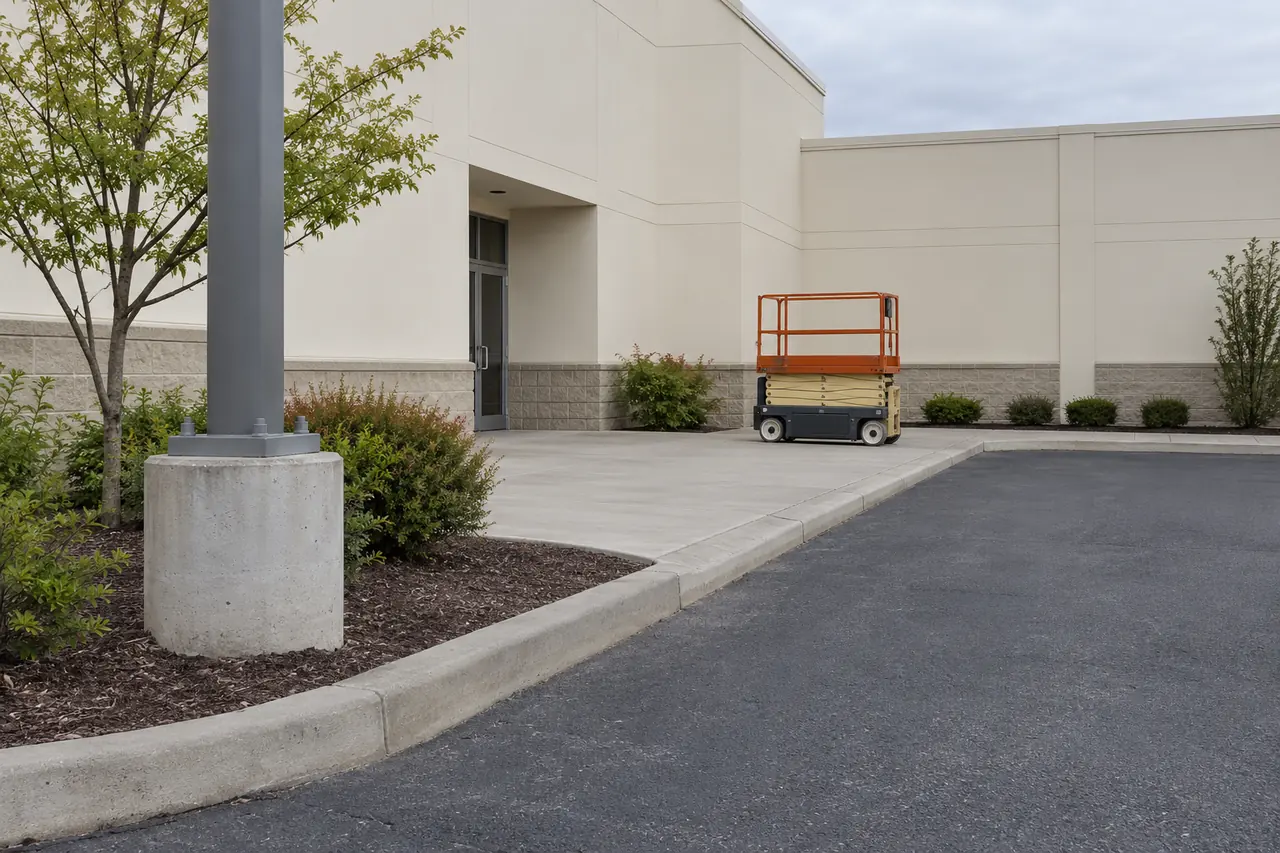
The practical work includes reaching the fitting and providing a suitable work area. Record pole locations, traffic patterns, landscaping and any constraints that affect access. Identify the person who can coordinate the area and the periods when it can be kept clear. A fixture price alone does not describe the complete service or replacement task.
Grouping suitable work can be worth discussing where several confirmed issues share an access window. It should follow the actual equipment condition and operating constraints, rather than become a reason to replace unaffected fittings without review. Ask which locations are included and how the work sequence will interact with parking and pedestrian access.
The same questions matter to continuing maintenance. If access is consistently difficult, retain that fact when comparing a local repair with a planned standardisation or replacement phase. Keep the assumptions visible: the proposal should identify what access arrangement is expected and who will confirm it before scheduling, instead of treating an empty lot photograph as proof of normal availability.
Check whether the issue follows the control sequence.
A group that stays off after dark, operates during daylight or changes at an unexpected time may need a control review. Record the affected area and timing, including whether neighbouring equipment behaves differently. The pattern is useful information, but it does not prove a timer, photocell or other device has failed.
Photocells and exterior lighting controls and lighting timers and scheduling address different aspects of operation. The exterior lighting control problems guide helps distinguish a timing or switching complaint from an isolated fitting outage. Keep the normal operating hours and exceptional activity in the enquiry so the intended sequence can be reviewed with the equipment.
A replacement proposal should also explain whether existing controls are retained and compatible. Otherwise, new fittings can inherit an unresolved operating problem. Ask for the agreed sequence at handover and identify who can request changes. Staff should report symptoms through the property’s process rather than bypass controls or adjust unfamiliar electrical equipment.
Review nearby building lights and property responsibilities.
A parking area may be lit partly by poles and partly by building-mounted equipment. Wall pack lighting can be relevant where the adjoining doors or paths depend on those fittings. Mark the different groups so a pole replacement proposal does not accidentally assume that every source contributing to the area is included.
Commercial landlords and tenant properties may have distinct responsibility for unit-facing fixtures and shared parking equipment. Condominiums and multi-residential properties involve professionally managed common areas and shared exteriors within this commercial scope. Identify the authorised property contact and any tenant coordination needed before work is arranged.
At a warehouse or distribution centre or logistics and supply-chain facility, exterior activity can continue outside office hours. Record the actual routes and transport windows. A standard daytime office schedule should not be copied to a lot serving deliveries or dispatch without reviewing how that property operates.
Compare options using the same affected locations.
Use one location list for the repair and replacement comparison. For each head, pole or group, record the known condition, reported symptom, access and proposed work. Ask whether the option retains the bracket, position and controls, and whether any distribution change is intended. This keeps a narrow service estimate comparable with a broader proposal instead of allowing their different assumptions to disappear behind a total price.
Include the continuing record the property will receive. If a repair changes a component, ask for the confirmed identification relevant to later service. If replacement standardises a group, identify which existing fittings remain and how future additions would be reviewed. These details can matter as much as the immediate equipment choice when several contacts manage the site over time.
Keep uncertainties in a separate column. An unknown model, unconfirmed access window or unresolved shared-property permission should be visible to the decision-maker. The comparison can state that more information is needed before an option is final. It should not invent certainty in order to make one proposal look complete. Once the relevant facts are confirmed, update the record and compare the defined scopes again.
Ask which quoted costs relate to equipment, access, removal and the defined work scope. A comparison is easier to assess when these assumptions are visible. If an option excludes controls or neighbouring fixtures, retain that exclusion beside its total so the decision does not rely on an incomplete comparison.
Keep energy and future consistency separate from fault diagnosis.
An LED replacement may be considered for an energy comparison, standardised equipment or a broader distribution change. Those are planning questions alongside the existing symptom. An energy estimate needs confirmed input power, quantity and operating hours. An apparent brightness difference or product label cannot establish a saving for the whole site.
Property managers and multi-site portfolios can benefit from consistent equipment records, but standardisation should respect the actual pole arrangements and tasks at each property. One preferred product does not prove suitability across all mounting heights, boundaries and routes. Ask the proposal to explain any site-specific differences and retain model information for later service.
If incentives are part of the decision, check the current official route before purchase or binding commitments. Possible eligibility does not determine the repair diagnosis or justify a guaranteed rebate. Compare the lighting scope on its actual merits and keep any program confirmation as a separate documented step.
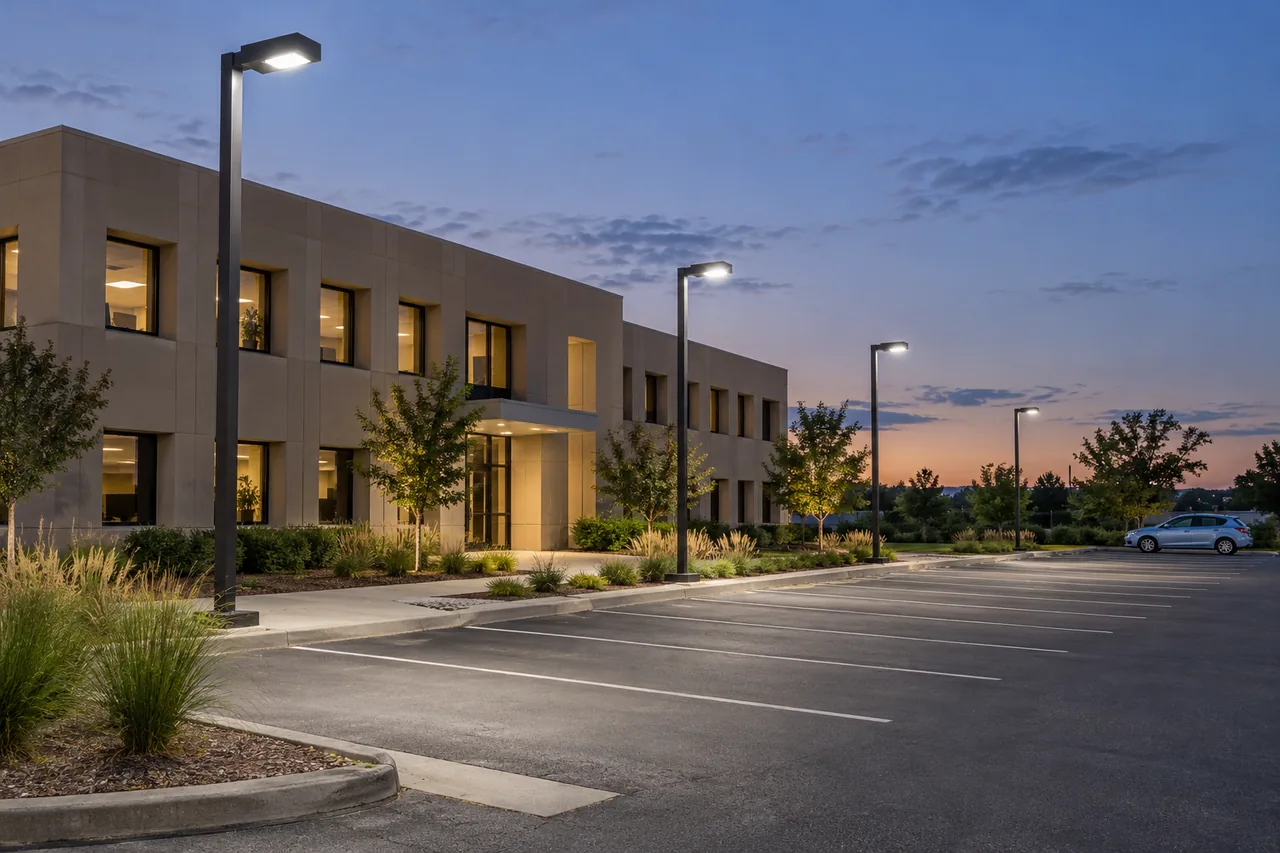
Use a decision record with an immediate and a planned path.
Write down the affected locations, observed pattern, known repair history, existing equipment information and access constraints. Add the tasks and routes that a wider change would address. Ask the assessment or service review to distinguish what is needed to deal with the reported problem from what could form a later upgrade.
The ESA property-owner guidance explains responsibilities when arranging electrical work and verifying the appropriate contractor. Confirm the requirements for the proposed scope. If redevelopment, changed distribution or formal site work is involved, ask the relevant project professionals about current municipal requirements instead of treating every parking-light task as the same application.
Use the Resources problem and planning guides to focus the enquiry, and the Blog exterior articles to compare the broader planning questions. A useful decision record leaves the immediate fault, continuing maintenance and possible capital upgrade visible as separate choices, with their evidence and assumptions available to the property contact.
Questions when comparing repair and replacement.
Is one failed head a reason to replace the whole lot?
Not by itself. Record the local symptom and review the equipment involved. A broader replacement can be considered where condition, repeated failures, access or the desired arrangement supports that discussion, but the proposal should explain its reason. Avoid converting a limited observation into a conclusion about every fitting.
Does a newer LED head guarantee the same distribution?
No. The location, mounting, product distribution and shielding need review. A replacement that fits the bracket can still alter the light reaching routes or nearby property. Ask whether the proposed scope retains the existing arrangement or deliberately changes it, and what information supports that decision.
Should repair and an upgrade be quoted together?
They can be compared when the scope is clear. Ask for the immediate affected equipment and the broader planning option to be described separately, including retained parts, controls and access assumptions. That allows the property contact to make an informed decision without assuming that every symptom requires the same level of work.
What is the best first report from a property contact?
Name the affected head, pole or group; describe timing and visible behaviour; provide known service history and a location plan. Include access and operating constraints. Leave unsafe equipment inspection and diagnosis to the appropriate professionals, and identify uncertain details as information still to confirm.