
Commercial lighting resources · Milton
Exterior Lighting Control Problems: Daylight, Dusk and Schedules
Exterior lighting complaints often concern timing rather than a completely failed fitting. Lights may remain on in daylight, stay dark after dusk, switch at unexpected times or behave differently across the property. Record the pattern before assuming that a photocell or timer has failed.
A useful enquiry compares observed operation with the site's intended use. Keep daylight conditions, schedules and affected fixture groups separate, and supply only information available from normal accessible areas or existing records. Electrical testing and changes to concealed controls belong in the professional service scope.
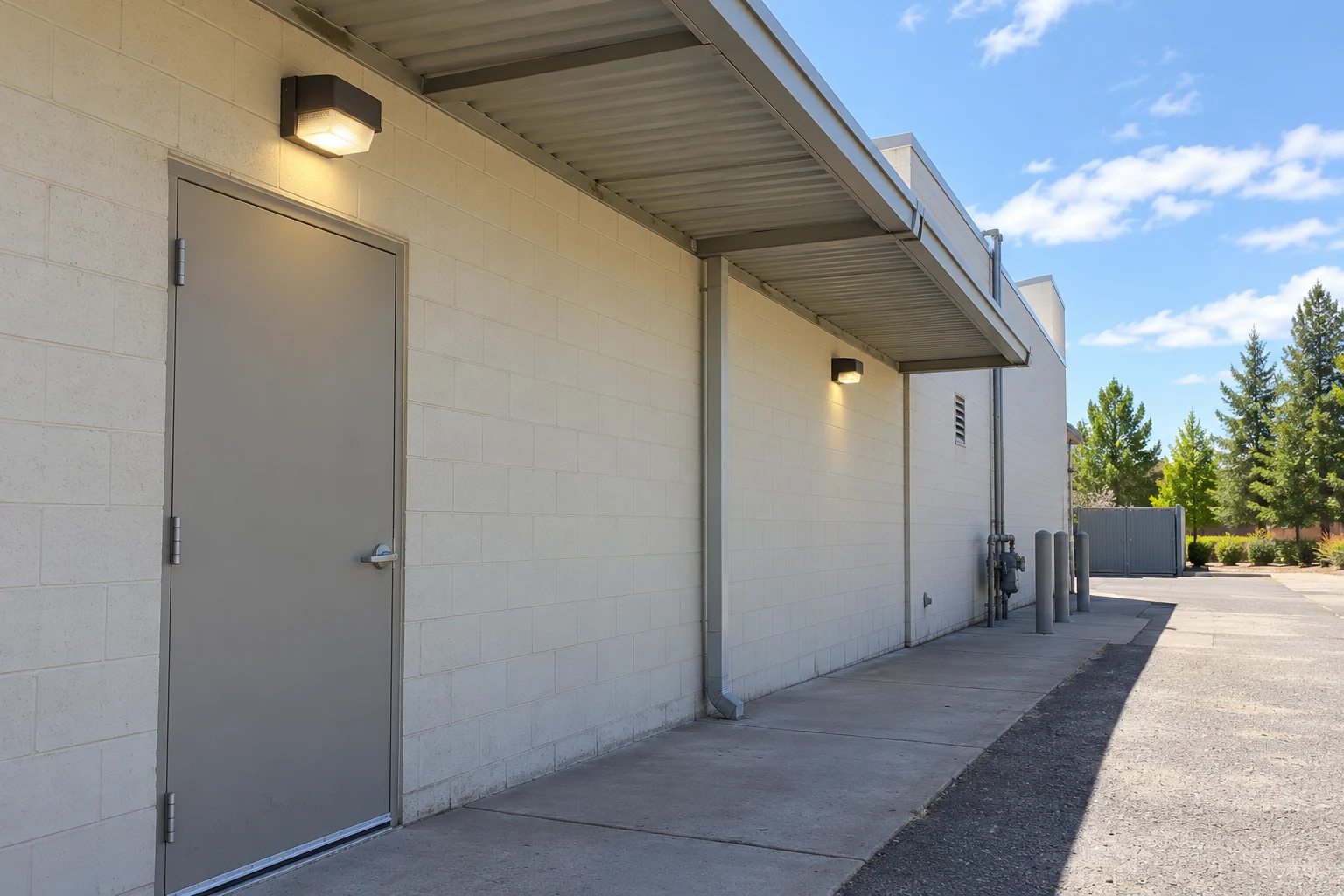
Describe the mismatch in plain language.
State what the lighting does and what the property contact expects it to do. Examples include the west lot remains dark after the evening shift begins, the rear wall packs stay on throughout a bright afternoon, or one entrance switches off while staff are still using it. Those descriptions identify the operating question more clearly than declaring that the timer is broken.
Record the affected areas separately. A single fitting with unusual behaviour may differ from a group that changes together. Building-mounted lights and pole lights may also have different intended hours even when they are on the same property. Note which fittings appear normal, because that helps define the reported scope without proving how the installation is electrically connected.
Use commercial lighting repair for an existing malfunction. Photocells and exterior lighting controls addresses daylight-related operation, while lighting timers and scheduling considers time-based arrangements. These are relevant investigation categories, not instructions to choose or replace a component before the current arrangement has been reviewed.
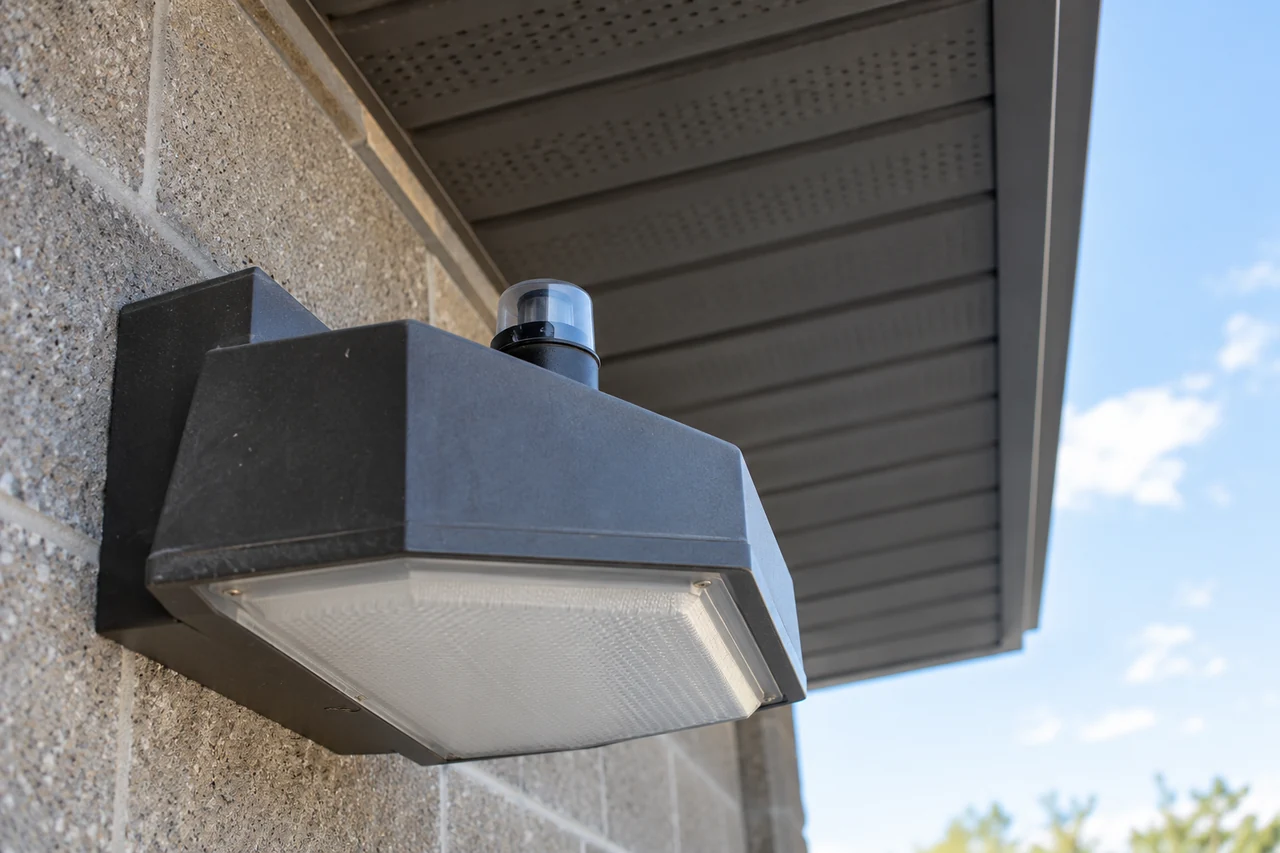
Keep a daylight and time record.
Include the date, approximate time and whether the observation was made in bright daylight, overcast conditions, dusk or darkness. Describe the duration you actually observed rather than assuming the behaviour continued all day or all night. A few representative entries can show an intermittent pattern more clearly than a broad statement that the system is unreliable.
Weather and surrounding light can be relevant context, but an observation does not establish the cause. A photocell-related installation may need review of its location, equipment and operating arrangement. The person preparing the enquiry should not cover a sensor, shine a light at it, bypass a control or open an enclosure to create a test. Supply existing information and allow the electrical professional to decide what investigation is needed.
Note whether the site's expected operating period has changed. A new late shift, cleaning schedule or loading window can make an old arrangement unsuitable even when it continues to operate as previously configured. Distinguish this changed-use question from an actual failure. It may lead to a scheduling discussion rather than a repair alone.
Compare the reported zones with available records.
Existing drawings, a retained control schedule or a maintenance note may describe how exterior lighting is grouped. Share those records if available and identify their date. If the current arrangement is unknown, label that uncertainty. Do not assume that adjacent fittings share one sensor or that every exterior light follows the same schedule.
Commercial exterior lighting considers the property-wide relationship between areas, while parking lot lighting focuses on lot equipment and distribution. Wall pack lighting addresses building-mounted fixtures. Identify whether the symptom affects one of these groups or several, and whether the same timing pattern is reported for each.
In warehouses and distribution centres, exterior use can extend beyond the main office shift. Logistics facilities may have transport windows and loading activity that vary by area. Manufacturing and industrial facilities should describe staff approaches and operating periods separately from internal process lighting. Those site-use details support an informed review of intended operation.
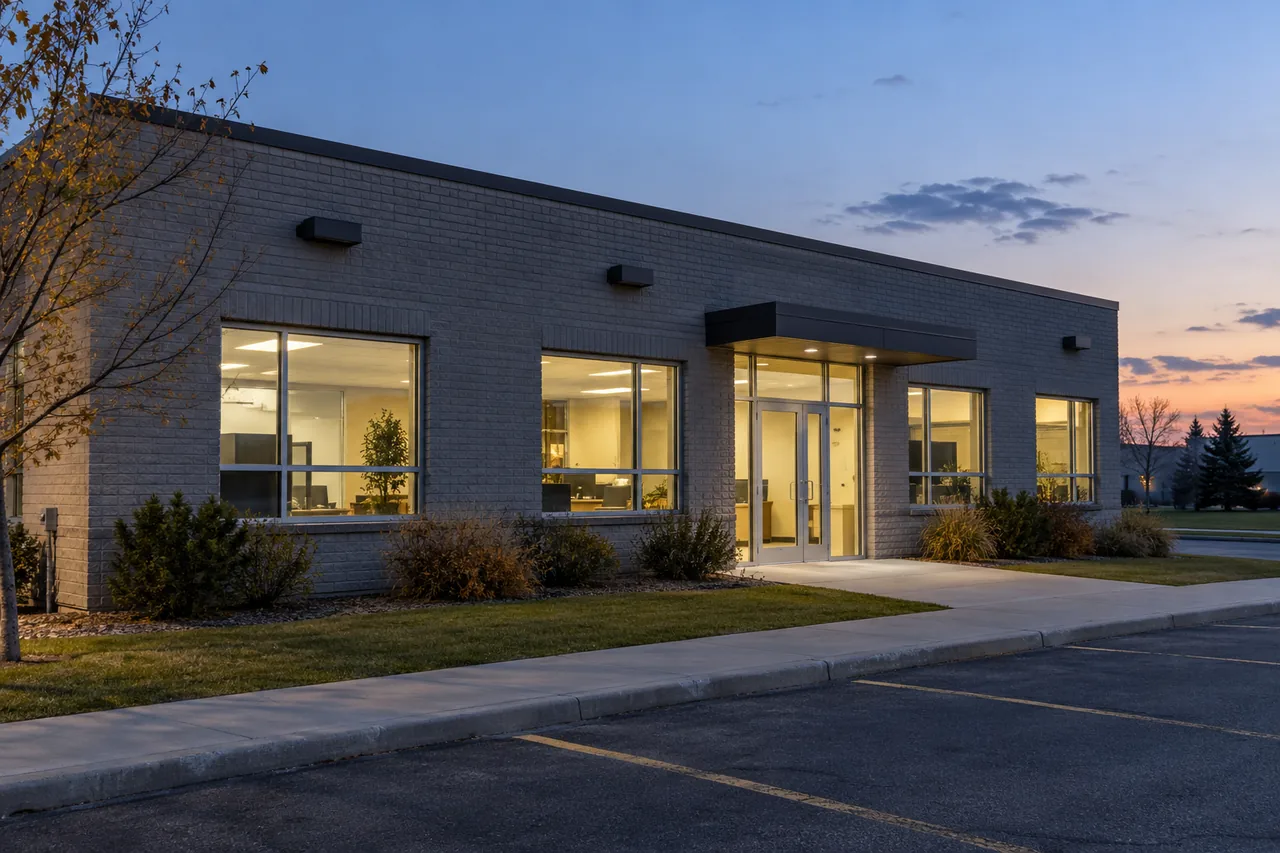
Separate a local control from a wider system question.
An installation may combine daylight response, scheduled operation and other control functions. A fitting's apparent behaviour can therefore depend on more than one component or instruction. Treat the equipment arrangement as information to establish, not something to infer solely from when a light turns on. A service enquiry should explain the mismatch without attempting to rewrite the operating sequence.
Commercial lighting controls covers the overall relationship between fixtures, zones and operation. Networked lighting controls is relevant when the property has or is considering a connected system with documented responsibilities. A networked strategy is a separate planning decision; an unexpected switching time does not automatically justify replacing a simple existing control arrangement with a networked one.
If authorized staff have a retained schedule or ordinary user instructions, supply those records and mention any known recent changes. Do not include passwords or access credentials in a general enquiry. Establish who is authorized to approve a change and who needs the final operating instructions. The work scope should explain whether it addresses a malfunction, a changed schedule or a broader controls redesign.
Explain how the exterior is used and who it affects.
Identify entrances, parking areas, loading approaches and neighbouring boundaries relevant to the reported pattern. A light that switches off before the last staff departure presents a different question from one that remains on in a rarely used area. Record the use and timing, while avoiding claims that a revised control arrangement guarantees security or eliminates all property risks.
For retail stores and shopping plazas, tenant hours can differ from shared lot operation. Automotive and showroom properties may distinguish display areas from customer approaches or staff parking. For commercial landlords and tenant properties, clarify which party requested the change and who controls the equipment. A tenant's desired schedule should not silently become an instruction for shared property lighting.
For property managers and multi-site portfolios, record each site's pattern and approval contact separately. Professionally managed condominium properties should identify common exterior and parking areas rather than private residential interiors. If neighbours report unwanted light, record the location, time and direction of the complaint as a separate distribution or operation concern.
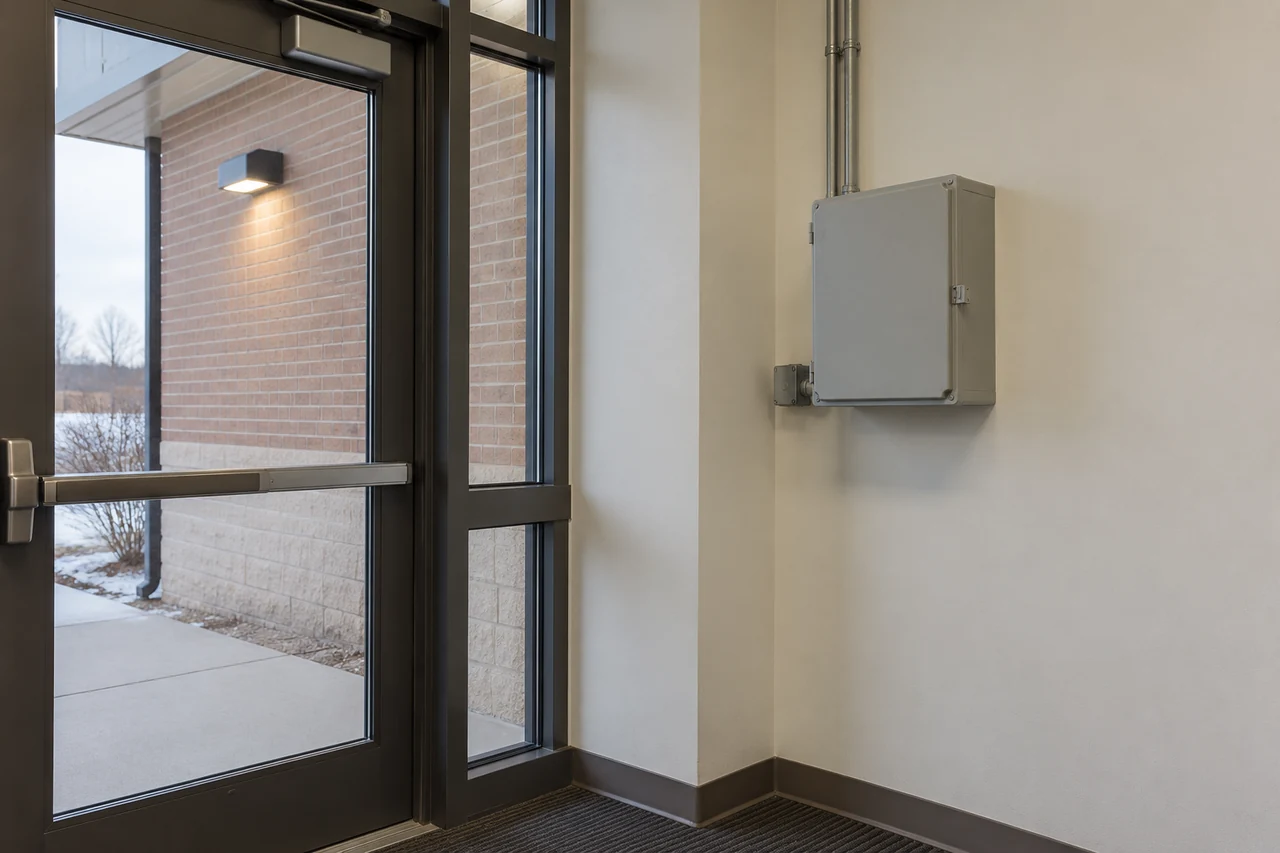
Prepare access information without adjusting equipment.
Ground-level photographs can identify fixture groups and show the surrounding property. A wider image with an annotated location may be more useful than a close image of an inaccessible sensor. Do not climb, remove covers or use access equipment to obtain labels. Product schedules, invoices and previous service records can provide details that are unavailable from ordinary positions.
Include normal occupied hours, delivery movement and any restrictions around entrances or parking. Identify the property contact who can arrange access and authorize a work area. The service provider determines the appropriate investigation and equipment. An available window is planning information until a booking and work scope have been agreed.
Keep an immediate hazard distinct from a routine schedule complaint. If electrical equipment appears dangerous, keep people clear and follow the property's established emergency arrangements. A web enquiry should not be used to seek instructions for bypassing a fault or opening equipment. The useful information is the observed condition, its location and the responsible contact.
Close the loop with a clear operating reference.
After a repair or agreed adjustment, retain the locations covered and the intended operating arrangement. A useful record states which areas respond to daylight, which follow a schedule and who may authorize future changes. It should also distinguish completed work from any wider recommendation that has not been accepted. That separation helps avoid repeating the same uncertainty at the next seasonal or tenant change.
The parking lot repair versus replacement article discusses equipment decisions when recurring issues lead beyond a control repair. The Milton exterior lighting and photometric planning guide explains broader site and development considerations. Routine schedule service is not automatically a development submission, but changes to the illuminated area or a new project may need a separate planning review.
Use Resources for other symptom topics and the commercial lighting blog for longer planning articles. Request lighting service with the timing record, affected groups and intended operation. If the enquiry includes a new controls strategy, describe that as an additional decision so the existing malfunction and future plan remain clear.
Compare the expected schedule with the user's actual need.
A schedule can be technically consistent yet no longer match a property's use. Ask the authorized contact to identify the operating need for each zone: staff arrival, customer opening, final departure or a transport window. Preserve that intended use separately from the observed switching times. This gives a controls discussion a defined purpose without assuming that the existing component has failed.
Where tenants have different hours, establish who may approve changes to shared lighting. A request from one unit can affect another entrance or common parking area. Do not treat an individual preferred time as the agreed setting for all users. The final operating reference should identify the zones and responsible contact rather than contain an undocumented collection of informal requests.
If the scope changes from repair to a new strategy, compare it as a separate proposal. Identify the fixtures involved, desired response and ordinary user instructions needed afterward. Retain the earlier symptom record so the project team can distinguish correction of a malfunction from an intentional change in operation.
Lighting service
Describe the affected lighting.
Share the affected locations, when the problem occurs and the access information available to the property contact.